A Mother’s Heart and Her Child’s Courage: Life Inside the Children’s Hospital
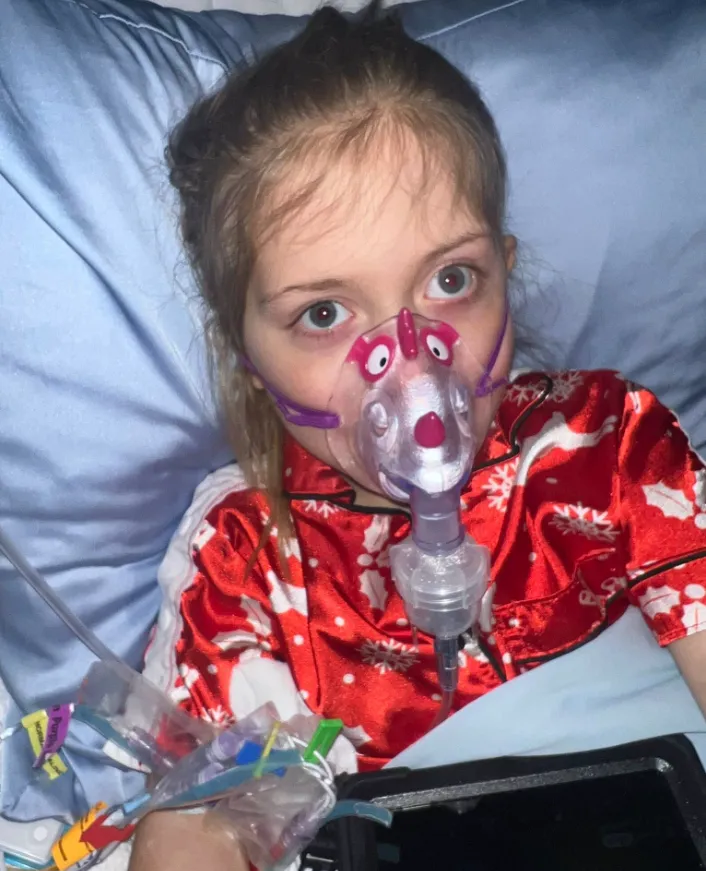
Some journeys do not begin with dramatic emergencies or sudden diagnoses. Some unfold slowly, quietly, through repeated setbacks and unanswered questions. Our journey has been one of those. From the earliest days, feeding—something so natural for most children—became one of the greatest challenges my child would face.
Her struggle with nutrition has shaped our lives in ways I never could have imagined.
When Feeding Becomes a Battle
From the very beginning, feeding did not progress the way doctors hoped. My daughter continued to get sick, unable to tolerate more than 10 milliliters of formula per hour. For most children, that amount would be insignificant. For her, it was overwhelming.
Her tiny body, both fragile and astonishingly strong, could not process even the smallest volumes of nutrition due to a congenital gut motility defect. Each feeding attempt became a test of patience and endurance—not just for her, but for everyone involved in her care. Progress was measured in milliliters. Setbacks arrived without warning.
What should have been routine nourishment became a daily reminder of how vulnerable, and how resilient, she truly was.
The Complications That Multiply the Fear
For years, MiraLAX had been part of her daily routine. When she could tolerate her normal intake, it worked well, helping her body function as it should. But now, even that simple medication became impossible.
MiraLAX requires adequate water intake to be effective. Her stomach could not handle more than a few milliliters at a time. This limitation created a cascade of new challenges—discomfort, stalled digestion, and increasing medical urgency.
Every small obstacle seemed to generate another, and the emotional weight of managing her care grew heavier with each day.
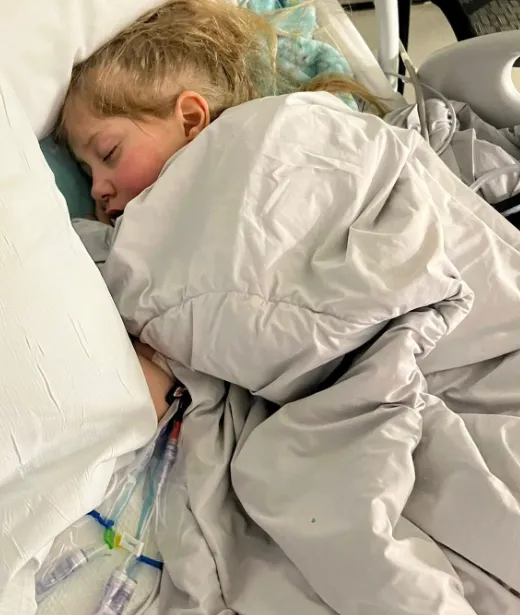
Advocating for Change: The Decision for a GJ Tube
After watching her continue to struggle, I requested a serious conversation with her medical team. We needed to reassess our approach. The option of transitioning to a GJ tube—a feeding tube that bypasses the stomach and delivers nutrition directly into the jejunum—was raised.
Initially, the hope had been that her condition would improve enough to continue with traditional feeding methods. But that hope was fading. The decision to move forward was not easy. It required trust, acceptance, and the understanding that comfort and safety mattered more than expectations.
Today, we proceeded with the GJ-tube placement, knowing it was necessary for her health and quality of life.
Watching Medicine at Work, Feeling Everything at Once
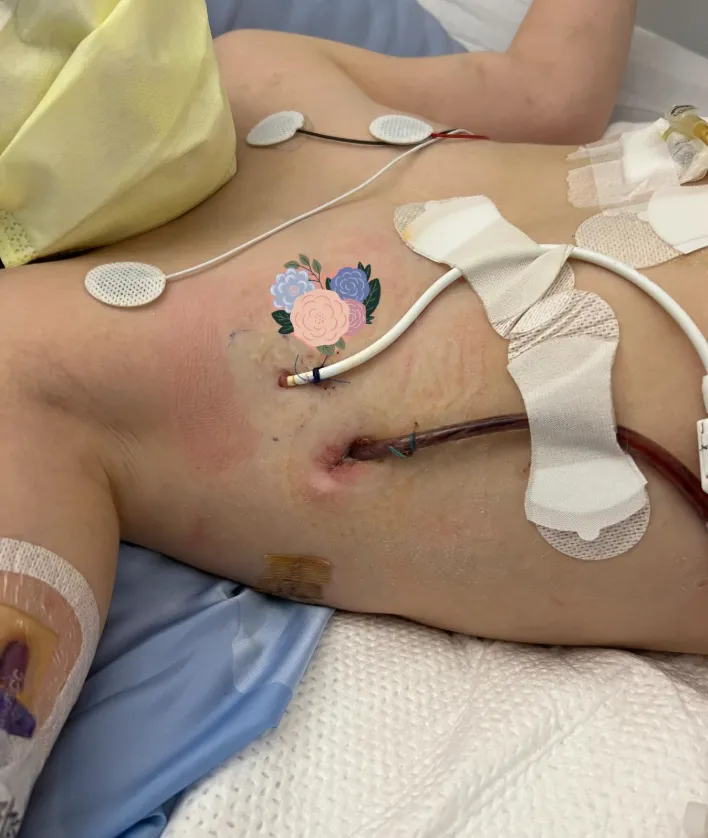
Watching the procedure was both fascinating and emotionally overwhelming. A long wire was carefully guided through her stoma into her jejunum. A new GJ button and tube were threaded into place, designed to bypass her stomach entirely and allow her gut the time it desperately needed to rest.
I remembered a similar procedure from a year earlier—one that had allowed her to return to her G-button feeding system successfully. Today, we hoped for the same outcome.
In addition to the GJ-tube placement, her main surgical drain was removed. To a medical professional, this might seem like a routine step. To us, it felt monumental. Every tube removed, every adjustment made, represented progress and the possibility of going home.
A Child’s Heart in a Hospital World
Hospitals affect children in ways that are not always visible. Yesterday, she asked me how many days remained until Christmas. When I told her “two,” her face lit up—then quickly fell.
She worried about being in the hospital during the holidays. She worried about us. And then she said something that shattered my heart:
“I just ruin your life because you have to spend your Christmas in the hospital with me.”
Nothing could be further from the truth.
She has never ruined my life. She has transformed it.
What Children’s Hospitals Teach You
Being her mother has immersed me in a world I never knew existed. Children’s hospitals are places where love, fear, hope, and exhaustion coexist every single day. They are places where you witness unimaginable sadness—and astonishing strength.
I have seen children ring cancer bells. I have watched families celebrate milestones that others might overlook. I have felt grief so heavy it left me breathless, and gratitude so profound it felt sacred.
These hospitals hold stories that change you forever.
Small Milestones, Immense Meaning
The GJ-tube marked a turning point. It gave her body the opportunity to rest, to heal, and to receive nutrition safely. Medical interventions like this are precise and life-altering, requiring constant monitoring and adjustment.
Her responses were subtle, but meaningful. Stability. Tolerance. Quiet strength.
For parents, every decision involves advocacy, trust, and vulnerability. We weigh risks. We ask questions. We celebrate progress that might seem invisible to others. Holding her hand, whispering reassurance, and witnessing her resilience reminds us why every effort matters.
Life Inside the Hospital Walls
Hospital life is relentless. Days blur into nights. Monitoring never stops. Yet within the intensity, moments of connection emerge.
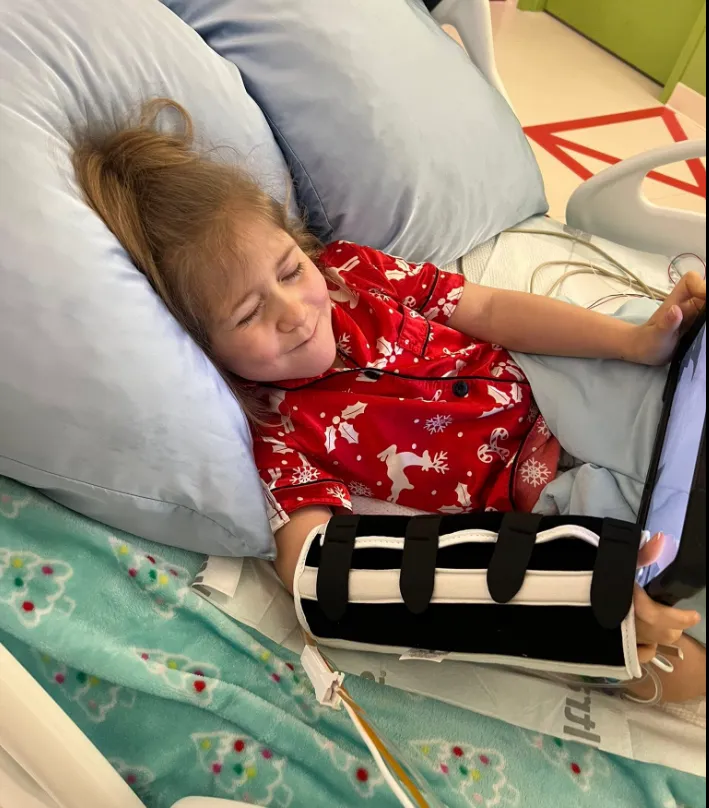
Her smile—sometimes tired, sometimes playful—offers hope. A gentle touch. A shared laugh. A quiet moment of comfort. These small gestures become lifelines, reminding us that she is still a child, still living, still capable of joy.
The Complexity of Caring for a Medically Fragile Child
Caring for a child with chronic feeding and motility disorders extends far beyond physical treatment. It intersects with emotional development, family dynamics, and long-term quality of life.
Every decision must balance comfort, growth, and future independence. Every treatment plan is shaped not only by medical data, but by observation, intuition, and parental involvement.
Through this process, I have learned the power of watching closely—of noticing small changes and advocating for adjustments when something feels wrong.
Lessons in Resilience, Love, and Gratitude
Despite her challenges, she continues to grow. She adapts. She engages with life in ways that inspire everyone around her. Doctors and nurses learn from her just as she benefits from their expertise.
Her journey has taught us gratitude—for medical teams, for support systems, and for moments of connection that sustain us through uncertainty.
She has taught us that courage is not the absence of fear. It is the choice to keep going, even when the path is difficult.
Moving Forward, One Small Victory at a Time
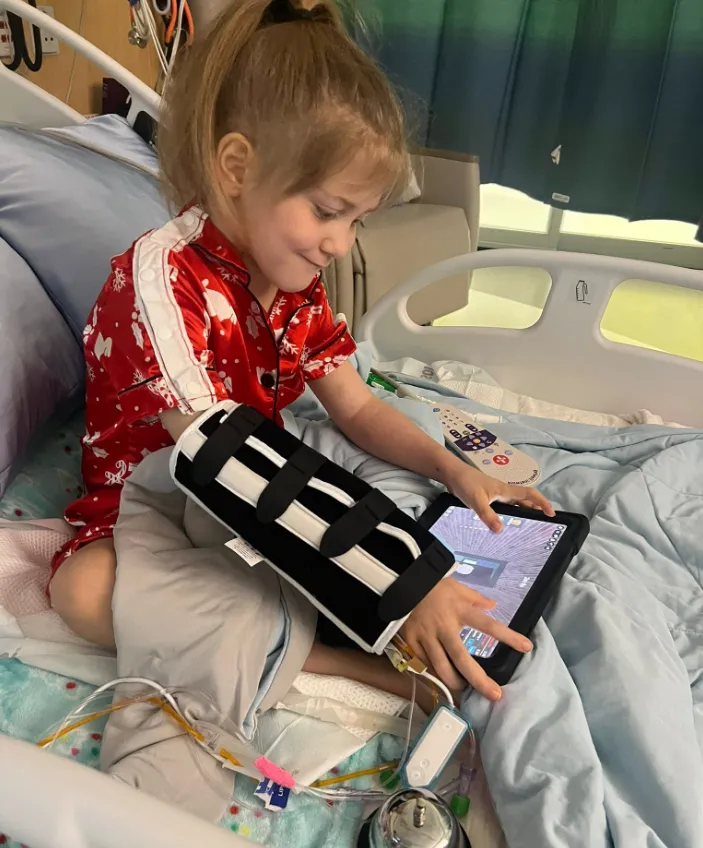
Her journey continues. Feeding progresses slowly. Each increase, each tolerated change, represents resilience and hope. The GJ-tube is allowing her body to recover while preparing her for future steps forward.
Every improvement—no matter how small—is celebrated.
This story is a reminder that medicine treats the body, but love sustains the soul. Children like her teach the world about patience, empathy, and strength. They remind us that even in the most complicated circumstances, life can still be meaningful, beautiful, and deeply inspiring.