The Silent Suffering of Elephants: Why It’s Time to End the Cruelty
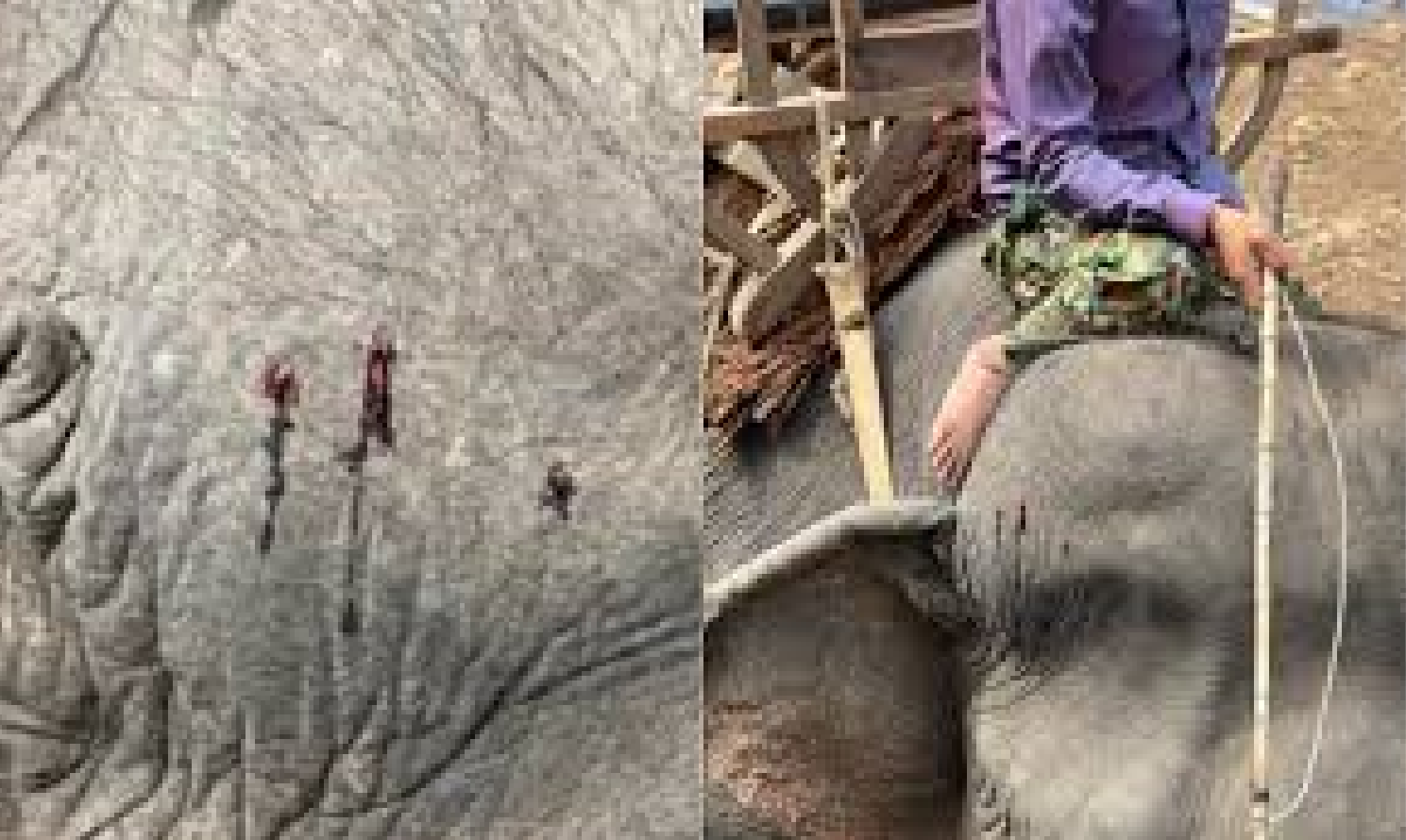
Elephants are among the most intelligent, emotional, and socially complex animals on Earth. They form deep family bonds, mourn their dead, and possess remarkable memory and empathy. Yet behind the smiling photos and tourist attractions lies a brutal truth—one that is often hidden from public view. Across the world, countless elephants endure unimaginable suffering, tortured for human entertainment, tradition, and profit.
The images are difficult to look at. Chains digging into flesh. Wounds hidden beneath dust and paint. Eyes dulled by years of fear. These are not isolated cases; they are part of a global system of exploitation that continues to thrive despite growing awareness.
A Global Crisis Hidden in Plain Sight
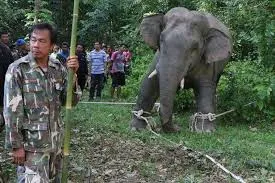
In countries such as India, Thailand, Indonesia, and South Africa, elephants are commonly used for rides, performances, temple duties, and tourist attractions. To the untrained eye, these animals may appear calm and obedient. In reality, that obedience is the result of years of extreme physical and psychological abuse.
Elephants are not born submissive. Their spirits must be broken.
Stolen From the Wild: The Beginning of Trauma
The cruelty often begins when elephant calves are forcibly taken from the wild. Torn away from their mothers—who grieve deeply and may search for their young for years—these babies are transported far from their natural habitats.
They are confined in small cages or chained so tightly they can barely move. For weeks or even months, they are isolated, unable to walk freely, stretch, or lie down comfortably. This process is not accidental. It is designed to instill fear, helplessness, and dependency.
The goal is simple: break the elephant’s spirit.
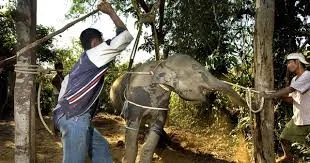
The Brutal Training Process
This “training,” known in some regions as phajaan or “the crush,” involves relentless abuse. Elephants are beaten with sticks, jabbed with sharp tools, starved, deprived of sleep, and subjected to constant intimidation. Bull hooks—long metal rods with sharp hooks—are driven into their sensitive skin, ears, and trunks.
This is not training. It is torture.
The psychological damage is profound. Elephants are highly intelligent and emotional beings, capable of trauma comparable to post-traumatic stress disorder. Many never recover from what they endure.
A Deadly Reality for Young Elephants
The cost is devastating. Nearly half of elephant calves captured from the wild do not survive the process. Some die from injuries or malnutrition. Others succumb to stress so severe their bodies simply shut down.
Those who survive are condemned to a lifetime of captivity—performing tricks, carrying tourists, or standing in chains for hours each day. Their lives are stripped of everything that makes them elephants: freedom, family, movement, and choice.
Tourism’s Dark Side
In Indonesia, tourists can ride elephants through national parks such as Way Kambas in Sumatra. Behind these rides are painful training methods and constant control using bull hooks. Wounds on trunks and tails are common, though often hidden from visitors.
In Thailand, elephant rides and jungle treks are heavily marketed as cultural experiences. What tourists rarely see are the years of abuse that made those rides possible. Elephants are forced to work long hours, often in extreme heat, with little rest or proper care.
In South Africa and other countries, elephants are used in safari parks and zoos, trained to perform for visitors. Confined spaces prevent natural behaviors like roaming, social bonding, and foraging—leading to boredom, frustration, and chronic suffering.
The Role of Tour Operators and Consumers
Despite growing exposure of these practices, many tour operators—especially in Europe and other regions—continue to promote elephant rides and shows. By selling these experiences, they actively sustain a system of cruelty.
Most tourists do not intend harm. Many simply don’t know. An elephant standing quietly beneath a tourist does not look abused—but silence does not mean consent, and obedience does not mean well-being.
Why This Must End
Elephants are not entertainment props. They are sentient beings with emotional depth, intelligence, and social needs that cannot be met in captivity.
Allowing these practices to continue is a moral failure. Awareness alone is not enough—we must act.
What Can Be Done
The first step is education. Tourists must understand that riding or watching elephants perform directly supports abuse. Ethical wildlife tourism—such as observing elephants in protected sanctuaries where no riding or performances occur—must be encouraged.
Second, accountability is essential. Governments must enact and enforce laws banning the use of elephants for entertainment. Businesses that profit from animal cruelty must be held responsible.
Finally, sanctuaries and rehabilitation centers deserve support. These spaces offer rescued elephants the chance to live with dignity—roaming freely, forming social bonds, and recovering from trauma.
A Call for Compassion
The suffering of elephants is silent, but it is real. Their gentle nature, intelligence, and emotional capacity should inspire protection—not exploitation.
We stand at a crossroads. We can continue to support industries that profit from pain, or we can choose compassion, awareness, and responsibility.
Together, we can help end the cruelty. We can give elephants a future defined not by chains and fear, but by freedom, safety, and respect.
The time to act is now.