From Hospice Timelines to Cancer-Free Days: Fred’s Six-Month Fight With AML and the Choice to Stay
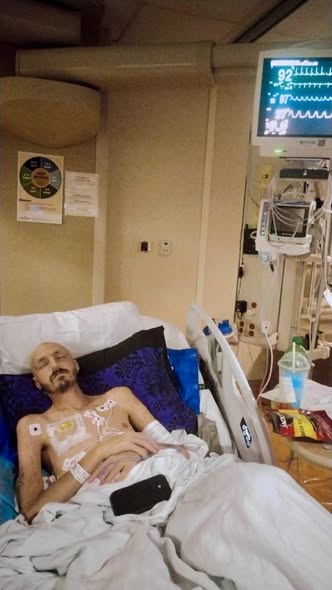
For the last six months, Fred’s life has existed in a space most people never imagine entering. It is a place where time loses meaning, where hope and despair take turns without warning, and where survival is no longer a concept but a daily decision. One moment, doctors were discussing hospice care and a prognosis of six to eight weeks to live. The next, the word cancer-free was spoken—carefully, almost reverently—as if saying it too loudly might make it disappear.
That kind of emotional whiplash does more than exhaust the body. It rewires how you understand pain, time, and the simple act of waking up alive. Fred did not step into this fight prepared. He stayed when everything around him suggested it would be easier to stop.
When the First Symptom Didn’t Seem Dangerous
At the beginning, Fred felt only back pain. It was the kind of discomfort most people would dismiss without a second thought—annoying, persistent, but not alarming. There was no reason to believe it carried life-altering consequences.
Then came the truth, delivered without mercy.
His spinal fluid was ninety-eight percent cancer cells. Mutations had returned in his bone marrow. Acute myeloid leukemia—fast, aggressive, and unforgiving—was back. The disease did not allow for gradual acceptance or gentle transitions. It arrived fully formed, demanding immediate decisions and offering no guarantees.
From that moment on, life stopped being measured in weeks or months. It became a sequence of choices centered on one question: keep going, or stop.
Redefining What “Fighting Cancer” Actually Means
What followed redefined the meaning of the word fight. This was not metaphorical. It was procedural, physical, and relentless.
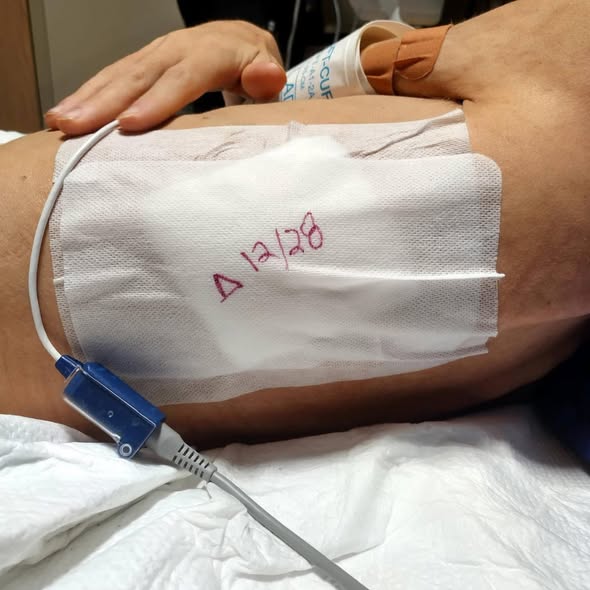
Fred endured two spinal taps—procedures that became routine without ever becoming easy. He underwent brain surgery, crossing a threshold few people ever expect to face. Chemotherapy was injected directly into his head, not once, but repeatedly, each time requiring courage that could not be stored or reused. It had to be summoned fresh.
Radiation followed, targeting both his brain and spine, turning his nervous system into a battlefield. His body absorbed every blow, because stopping was never an option he was ready to accept.
The Physical Toll of Staying Alive
As treatment intensified, so did the toll. Fred received his third chest port, a visible marker of how long and complex this journey had already become. He completed eleven rounds of intravenous and oral chemotherapy, each one stripping strength while testing resolve.
Nineteen intrathecal chemotherapy injections followed, delivering medicine directly into his spinal fluid. Alongside those came nineteen bone marrow biopsies—procedures designed to measure progress, but paid for in pain every single time. His body became a map of scars, ports, and evidence of endurance.
Survival left a record.
When Cancer Wasn’t the Only Threat
Cancer was not the only enemy Fred faced. Infections arrived one after another, each threatening to undo hard-won progress. Norovirus. C-diff. Urinary tract infections. A jaw bone infection. Necrotizing pneumonia.
Each complication demanded its own response, its own intervention, its own risk. Fred underwent a bronchoscopy and a lung biopsy. A chest tube was placed as his lungs struggled to function. Every new setback felt like an ambush in a war that never paused long enough to recover.
Eleven Days That Nearly Ended Everything
There were moments when the fight almost ended without anyone choosing it. Fred spent eleven days in the ICU, suspended between crisis and recovery. A crash cart was rushed into his room—the kind of moment that silences conversation and replaces it with fear.
His body lost its ability to regulate itself. His temperature dropped to ninety-four degrees, then spiked to one hundred three. His heart rate climbed to one hundred ninety just from standing, turning basic movement into a medical event. At his lowest, the scale read ninety-six pounds, a stark number that reflected how much had been taken from him.
These were not dramatic moments. They were quiet, terrifying, and real.
The Choice That Had to Be Made Again and Again
And still, Fred fought.
Not because it was easy. Not because it felt heroic. But because every time he reached the point where stopping felt reasonable, something inside him chose otherwise. There were moments when he questioned whether it was worth it. Moments when pain, fear, and exhaustion blurred together.
Each of those moments required a decision.
Every day, Fred made the same one. Keep going. Not for certainty. Not for guarantees. But because giving up was not the ending he was ready to accept.
What “Home” Means After Survival
Today, Fred is home.
That simple sentence carries more weight than most people will ever understand. Home means quiet. Familiar walls. The absence of constant alarms. It means rest, breath, and space for a body that has been pushed beyond its limits.
He is currently on a break from chemotherapy, allowing his body a chance to recover. But home also means waiting. In twenty-six days, doctors will decide whether Fred can move forward with a second stem cell transplant.
Another transplant is not just a procedure. It is another gamble. Another leap of faith toward the cancer-free life he has already earned countless times over.
The Cost of Survival, Without Illusions
So many cancer patients live versions of this story quietly. They endure unimaginable suffering without an audience, without headlines, without applause. Fred is living his story out loud—not for attention, but because honesty matters.
His journey strips survival of slogans and easy inspiration. It shows what survival actually costs. It is messy. Painful. Uncertain. Relentless. It also reveals a depth of resilience that cannot be manufactured or taught. It is only discovered when you stand at the edge and choose to stay.
Why Fred’s Story Matters
If anyone deserves a win, it is Fred. Not because he fought harder than others, but because he kept fighting when stopping made sense. Not because he lacks fear, but because he has faced it daily and continued anyway.
His story matters because it reflects the reality of countless others still fighting in hospital rooms, homes, and quiet spaces where courage is practiced without witnesses. It reminds us that survival is not a single moment, but a series of decisions made under unbearable pressure.
A Moment to Rally, Not Look Away
Now is the moment to rally behind him. To leave strength where exhaustion has lived. To leave hope where fear has lingered. To remind him that this fight matters—and that he is not carrying it alone.
Fred has already done the impossible more times than anyone should ever have to. Whatever comes next, he deserves to know that his staying, his suffering, and his survival are seen.
And that choosing to stay—again and again—has meaning far beyond these six months.