Hagerty says Verizon should face FCC investigation over release of GOP lawmaker phone records
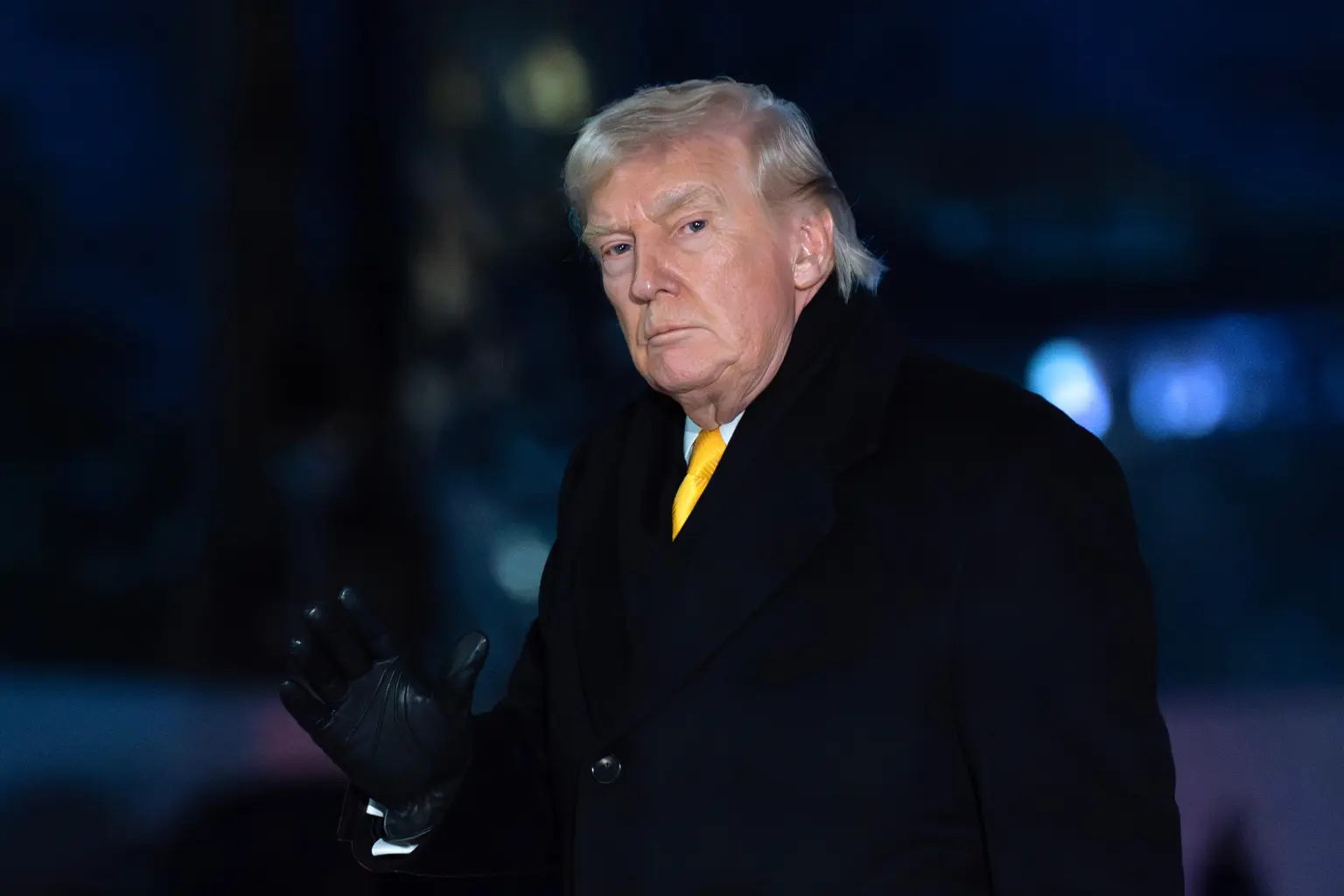
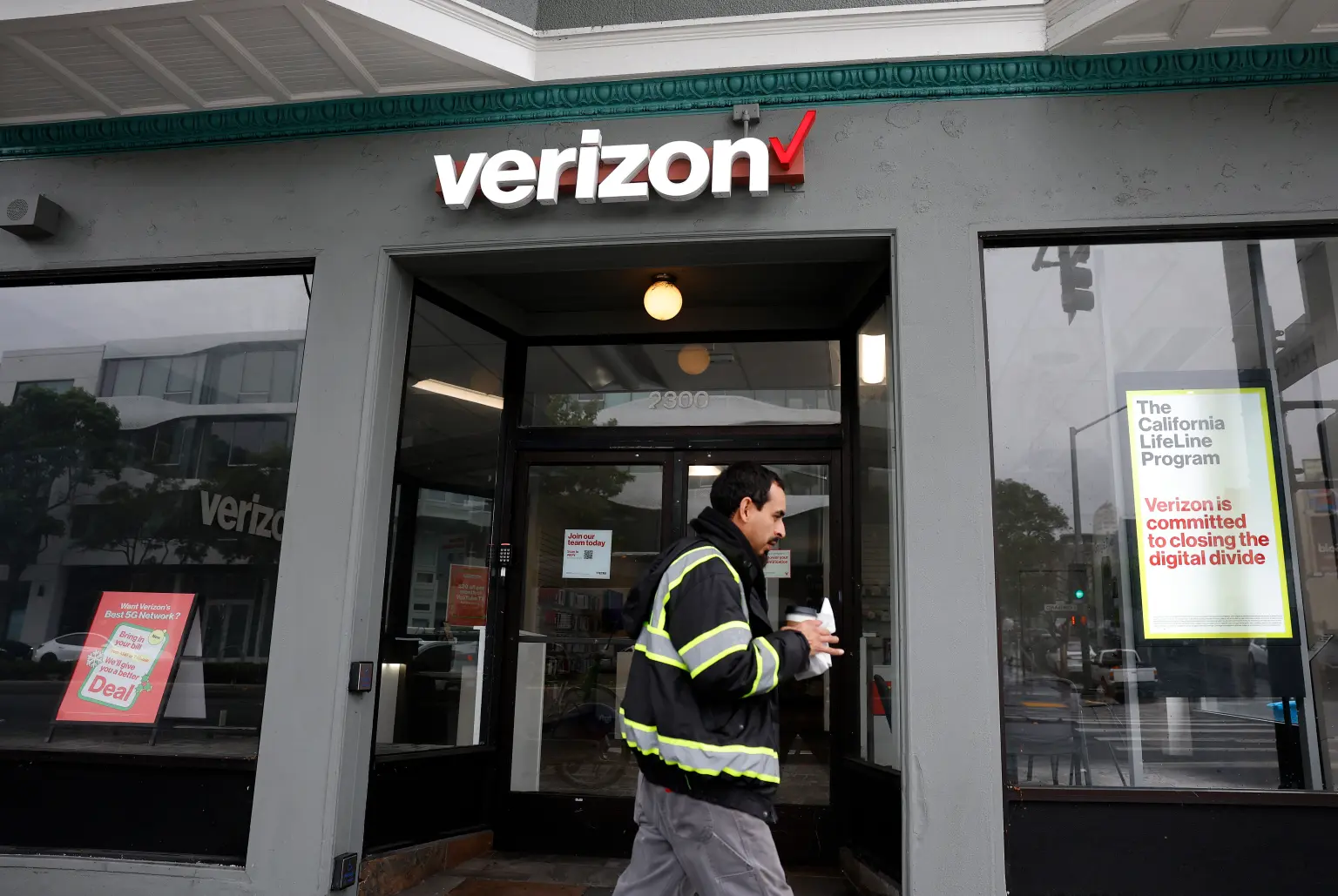
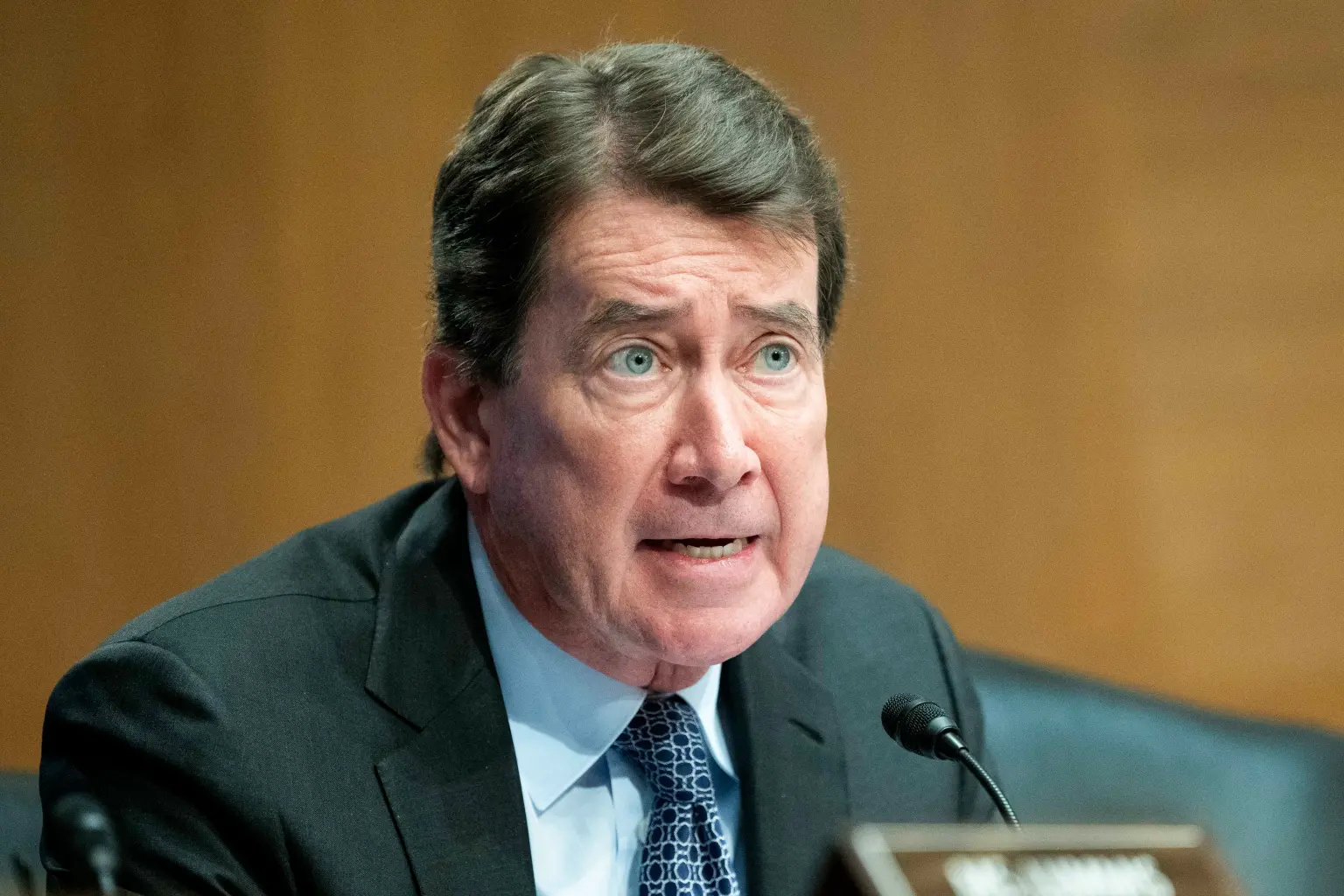
WASHINGTON — Sen. Bill Hagerty (R-Tenn.) is calling on the Federal Communications Commission to investigate Verizon, alleging the telecom giant violated federal law by providing his and other Republicans’ phone records to former special counsel Jack Smith.
On Monday, Hagerty filed a consumer complaint against Verizon and urged FCC Chairman Brendan Carr and Consumer and Governmental Affairs Bureau chief Eduard Bartholme to take action, saying the company must be held accountable.
Verizon did not immediately respond to requests for comment. The company has previously said it was compelled to turn over the records under a court order issued during the FBI’s “Arctic Frost” investigation into the Jan. 6, 2021, Capitol riot.
Whistleblower disclosures to Congress last year revealed that phone metadata belonging to roughly a dozen lawmakers was obtained through secret subpoenas issued by Smith’s office in 2023, after he assumed control of the Arctic Frost probe. Hagerty was among those affected.
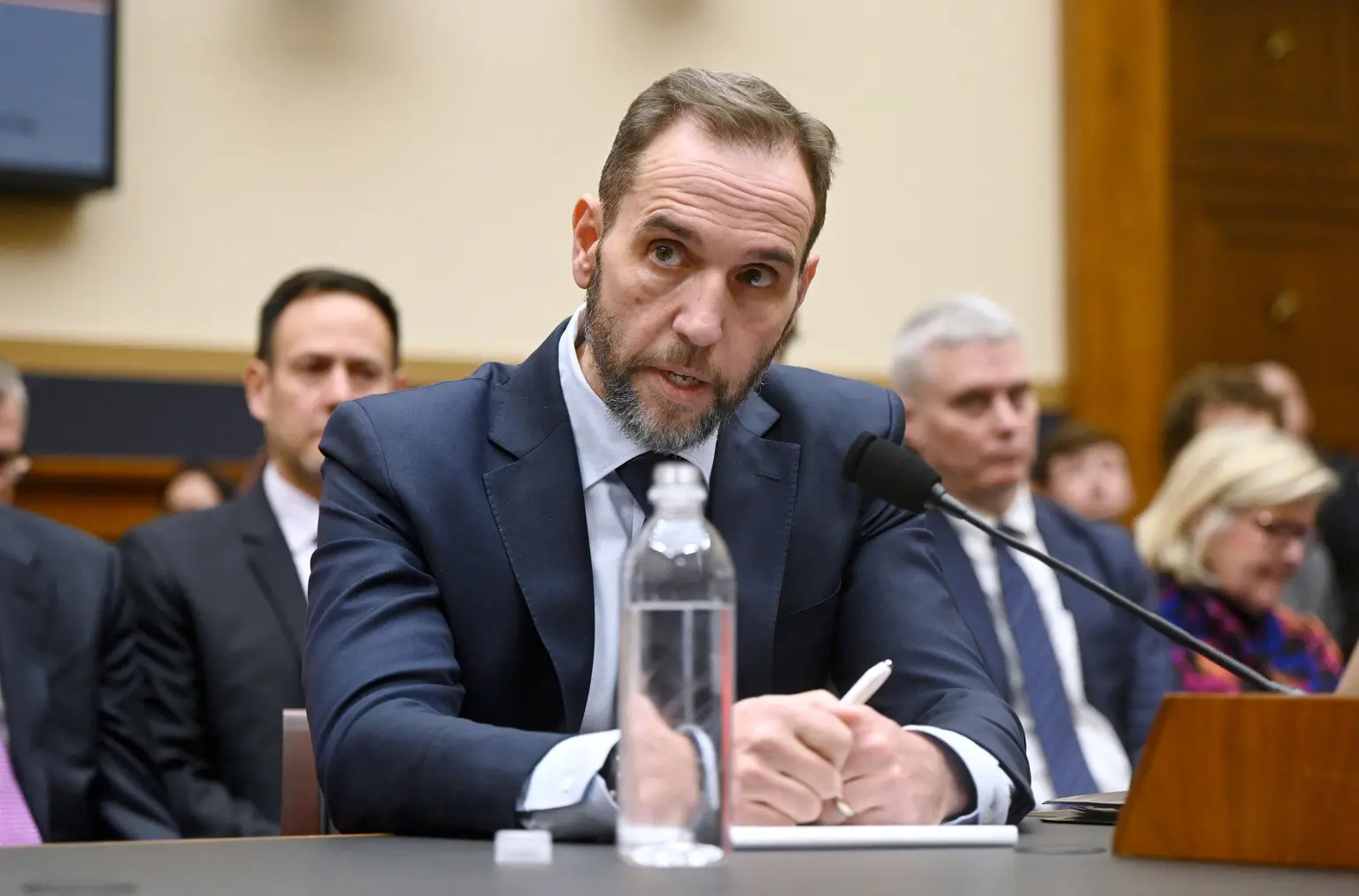
The Tennessee senator accused Verizon of violating the Communications Act and related regulations that require carriers to take reasonable steps to prevent unauthorized access to customer proprietary network information (CPNI).
“Verizon handed over my private phone records without resistance,” Hagerty said. “I’ve been a customer for decades, and Verizon’s role in what I see as a political witch hunt against President Trump and his supporters represents a serious breach of trust.”
“If this can be done to a sitting U.S. senator,” he added, “it can happen to any American. Accountability is necessary.”
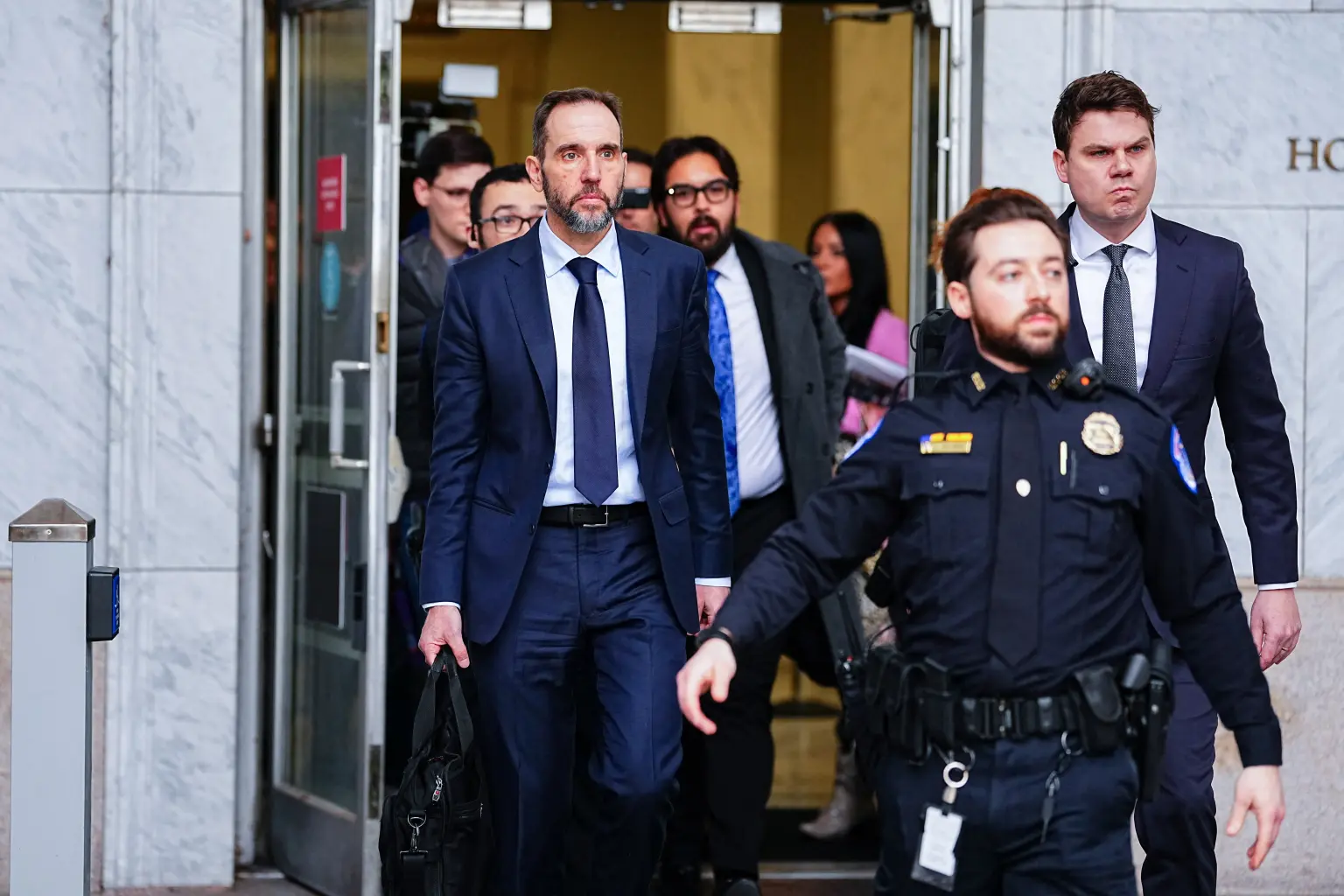
As part of the broader Arctic Frost investigation into alleged 2020 election interference — which ultimately led to President Trump’s indictment — Smith’s office issued grand jury subpoenas to multiple phone carriers in May 2023. AT&T questioned the legality of the request before responding, and prosecutors did not pursue the matter further. Verizon, however, complied.
At the time, a Verizon spokesperson said the company was bound by a court order that included a nondisclosure requirement, leaving it no choice but to comply. Verizon has since said it will notify lawmakers once such gag orders expire and has implemented new procedures requiring senior-level review of subpoenas involving members of Congress.
At least one Republican lawmaker, Rep. Chip Roy of Texas, confirmed that AT&T also turned over his phone records.
Federal judges approved the nondisclosure orders, keeping the subpoenas secret for more than a year. The existence of the records seizure only came to light months ago after whistleblowers alerted Senate Judiciary Committee Chairman Chuck Grassley (R-Iowa).
In addition to Hagerty, several other Republicans — including Sens. Marsha Blackburn, Rick Scott, Lindsey Graham, Josh Hawley, Tommy Tuberville, Ron Johnson, Dan Sullivan, Cynthia Lummis, and Rep. Mike Kelly — also had their Verizon phone data subpoenaed.
Senate Republicans recently attempted to include a provision in a must-pass spending bill that would allow lawmakers to sue the Justice Department for up to $500,000 if their phone records are seized without notice. The House later removed the measure.
Hagerty said Verizon has refused to apologize or take responsibility, prompting his push for FCC intervention. He also accused the company of providing misleading information to the Senate about its disclosures.
Grassley has characterized the Arctic Frost investigation as a sweeping “fishing expedition,” alleging it allowed federal investigators to improperly scrutinize large segments of the Republican political infrastructure. According to whistleblower records, Smith’s team issued 197 subpoenas targeting roughly 430 Republican-aligned individuals and groups.
Many Republicans condemned the actions as unconstitutional and called for the impeachment of judges who approved the secrecy orders, including U.S. District Judge James Boasberg.
“Any customer would expect Verizon to challenge an unconstitutional subpoena,” Hagerty said. “Instead, the company simply complied.”