Following Australia’s Lead, Spain and Greece Move to Ban Children from Social Media

Following in Australia’s footsteps, Spain and Greece are rapidly finalizing legal frameworks to become the next countries to confront the negative impact of social media on children.
A sweeping global push to tighten online regulations for minors is gaining momentum at unprecedented speed. After Australia fired the opening shot in December 2025, several European nations have begun taking decisive action.
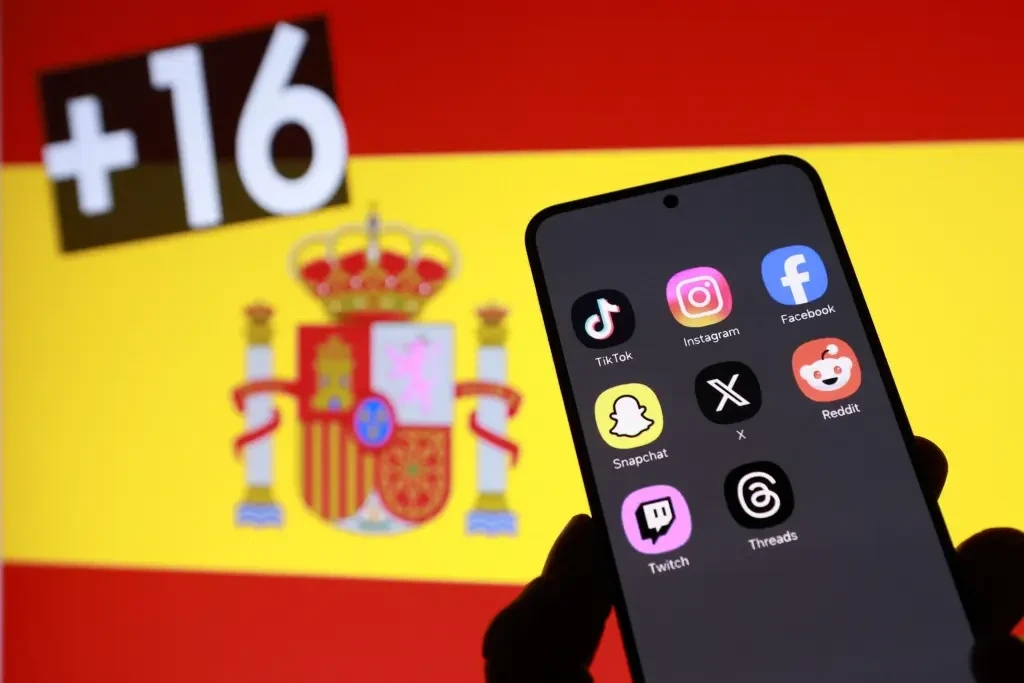
On February 3, Spanish Prime Minister Pedro Sánchez officially announced plans to impose a social media ban for teenagers under the age of 16, underscoring his government’s determination to shield future generations from the harmful effects of the digital environment.
The same day, a source close to the Greek government told Reuters that Athens is in the final stages of drafting legislation that would prohibit children under 15 from accessing social media platforms.
Greek Prime Minister Kyriakos Mitsotakis has previously confirmed that his government is seriously considering a similar proposal, drawing direct inspiration from Australia’s pioneering model. While the initial discussions focused on banning access for those under 16, recent deliberations suggest the threshold may be lowered to under 15 to better align with Greece’s social and educational context.
Notably, Greece’s draft policy goes beyond traditional social media platforms such as Facebook, TikTok, and Instagram. Demonstrating forward-looking thinking, the government is also seeking to regulate artificial intelligence tools, particularly AI chatbots and automated dialogue systems. Authorities are assessing the potential risks posed by minors interacting with these technologies, which are seen as emerging digital environments that could carry serious psychological and developmental risks for children.
Greece’s move forms part of a powerful domino effect unfolding worldwide. In December 2025, Australia made history by becoming the first country in the world to enact legislation banning children under 16 from using social media. The law places legal responsibility on major technology companies if underage users are able to circumvent restrictions and access their platforms.
In fact, Greece has already laid important groundwork for what officials describe as a broader campaign against digital addiction. Earlier, the government introduced a nationwide ban on mobile phone use in schools. Education authorities report clear positive outcomes: improved learning environments, higher student concentration, and a revival of face-to-face social interaction among students and teachers.
This early success is widely viewed as a crucial stepping stone, giving the Greek government the confidence to pursue stronger and more comprehensive controls over children’s access to digital spaces.