The Mystery of the “Haunted” Airport Rumored to Be an Apocalypse Bunker for the Global Elite
The Mystery of the “Haunted” Airport Rumored to Be an Apocalypse Bunker for the Global Elite
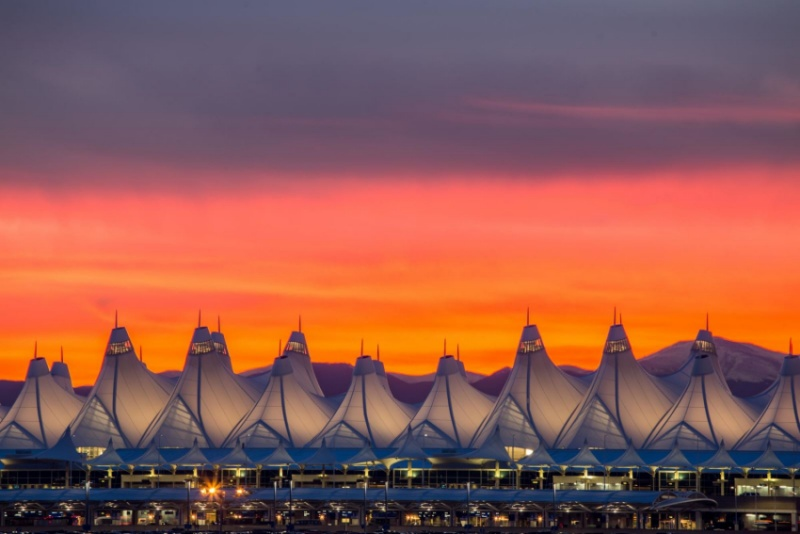
For decades, Denver International Airport (DIA) in the United States has stood at the center of some of the world’s most chilling conspiracy theories. From a so-called “demonic horse” statue that allegedly killed its own creator to rumors of vast underground bunkers built to shelter elites during the apocalypse, the airport has been shrouded in unanswered mysteries for more than 30 years.
Since opening in 1995, Denver International Airport has been known not only as a major transportation hub but also as fertile ground for conspiracy hunters. Tales involving aliens, the Illuminati, and secret underground bases have turned it into one of the most enigmatic airports on Earth.
Controversial symbols
Suspicions surrounding the airport began even before construction was completed. According to The Independent, authorities’ decision to replace the old Stapleton Airport with a new facility in a remote location—at a ballooning cost and with a footprint reportedly twice the size of Manhattan—sparked speculation that something more than transportation infrastructure was at play.
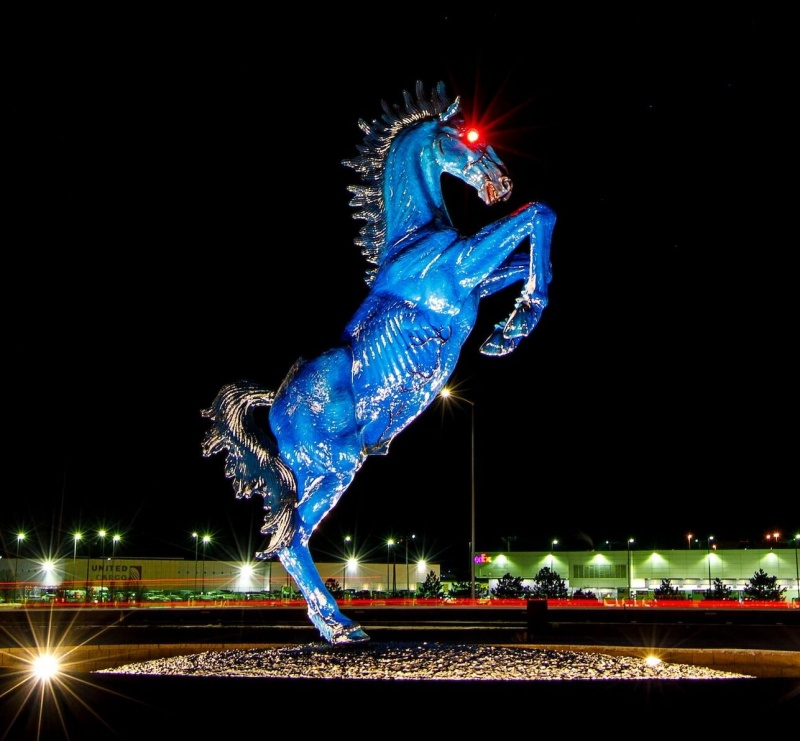
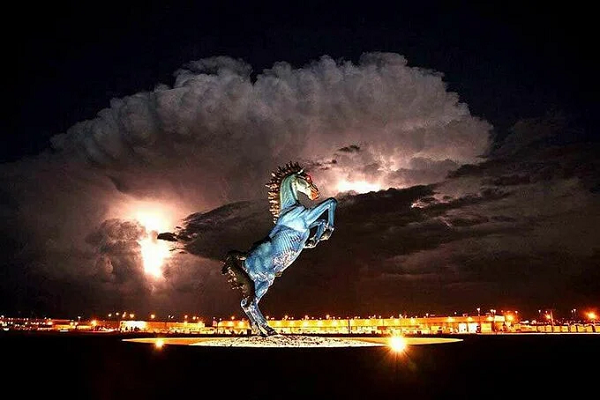
Conspiracy theories gained momentum with the appearance of unsettling symbols across the airport. Most infamous is “Blucifer,” a towering, nearly 10-meter-tall blue mustang statue guarding the entrance. With its glowing red eyes and menacing stance, the sculpture has been rumored to represent one of the Four Horsemen of the Apocalypse. The legend deepened when its creator, sculptor Luis Jiménez, died in 2006 after being struck by a falling piece of the statue that severed an artery. Although his family explained that the red eyes were a tribute to Jiménez’s father, a neon sign maker, rumors of a “blood curse” have persisted.
Inside the terminal, murals by artist Leo Tanguma depicting scenes of war, death, and children in coffins have also fueled speculation. Some claim the artwork contains hidden messages about a so-called “New World Order.” Adding to the intrigue, a dedication plaque marking the airport’s opening bears a Freemason symbol and references an organization known as the “New World Airport Commission”—an entity that appears to exist nowhere else.
Secrets beneath the surface
One of the most enduring theories revolves around a massive network of tunnels buried deep beneath the airport. Originally designed as an automated baggage-handling system, the project failed and was largely abandoned. However, the existence of this underground labyrinth has ignited endless speculation.
Conspiracy theorists claim the tunnels serve as a secret headquarters for reptilian beings, alien laboratories, or an exclusive doomsday shelter for the world’s elite. Some even suggest the network connects directly to NORAD, the North American Aerospace Defense Command, located about 145 kilometers away.
The airport’s runway layout has also drawn scrutiny. When viewed from above, critics argue that the design resembles a Nazi swastika. Aviation engineers insist the configuration simply allows planes to take off and land efficiently under varying wind conditions, but such explanations have failed to convince skeptics.
Management’s unconventional response
Rather than attempting to silence the rumors, Denver International Airport’s management has taken a surprisingly bold approach—embracing the conspiracy theories as a marketing tool. The airport launched a dedicated website called “DEN Files” to catalog and playfully address the rumors.
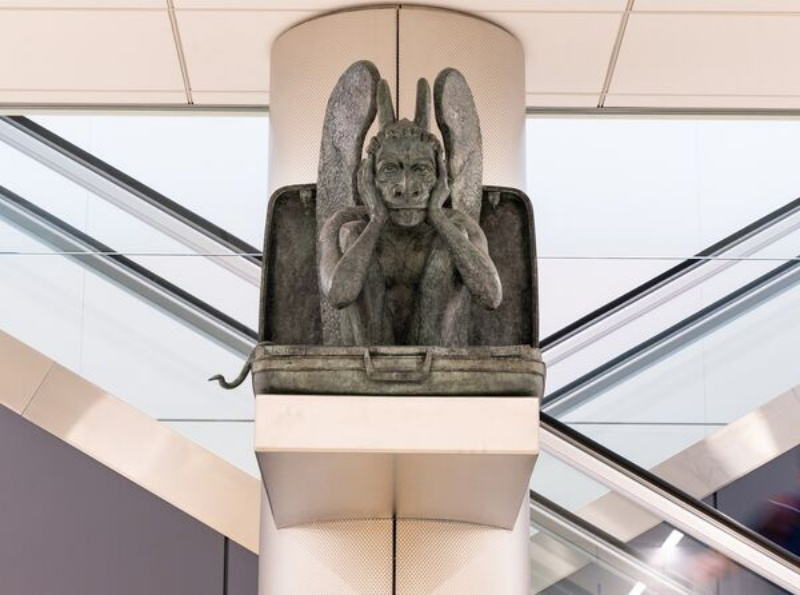
Inside the terminal, visitors may encounter talking gargoyle statues jokingly declaring: “Welcome to Illuminati Headquarters… oops, we mean Denver Airport!” Even construction signage during terminal renovations has featured aliens, Freemasons, and tongue-in-cheek slogans such as: “A smoother security process—or more secrets?”
This blend of humor and openness has helped defuse the darker atmosphere surrounding the airport, transforming Denver International into a uniquely entertaining destination—one where the line between reality and fiction blurs, sparking curiosity among millions of travelers each year.