Highly Elusive Sierra Nevada Red Fox Spotted for the First Time in Southern California Mountains
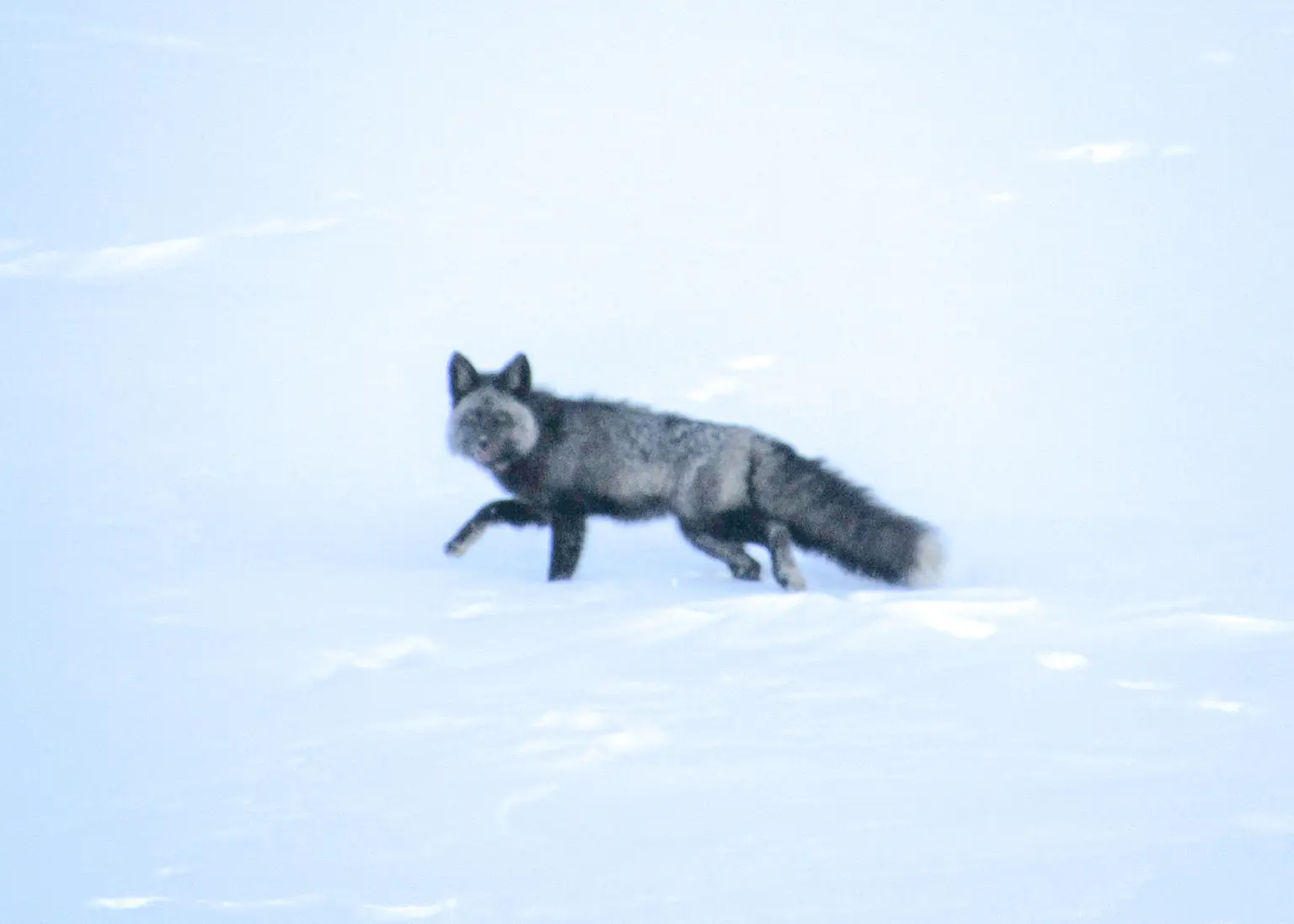
Biologists have confirmed the first-ever sighting and capture of a Sierra Nevada red fox in the southern Sierra Nevada, marking a major milestone for wildlife conservation in California.
According to the California Department of Fish and Wildlife (CDFW), scientists from its Bishop Field Office safely captured the rare fox near Mammoth Lakes in January. The animal was fitted with a GPS tracking collar and released back into the mountains, allowing researchers to closely monitor its movements.
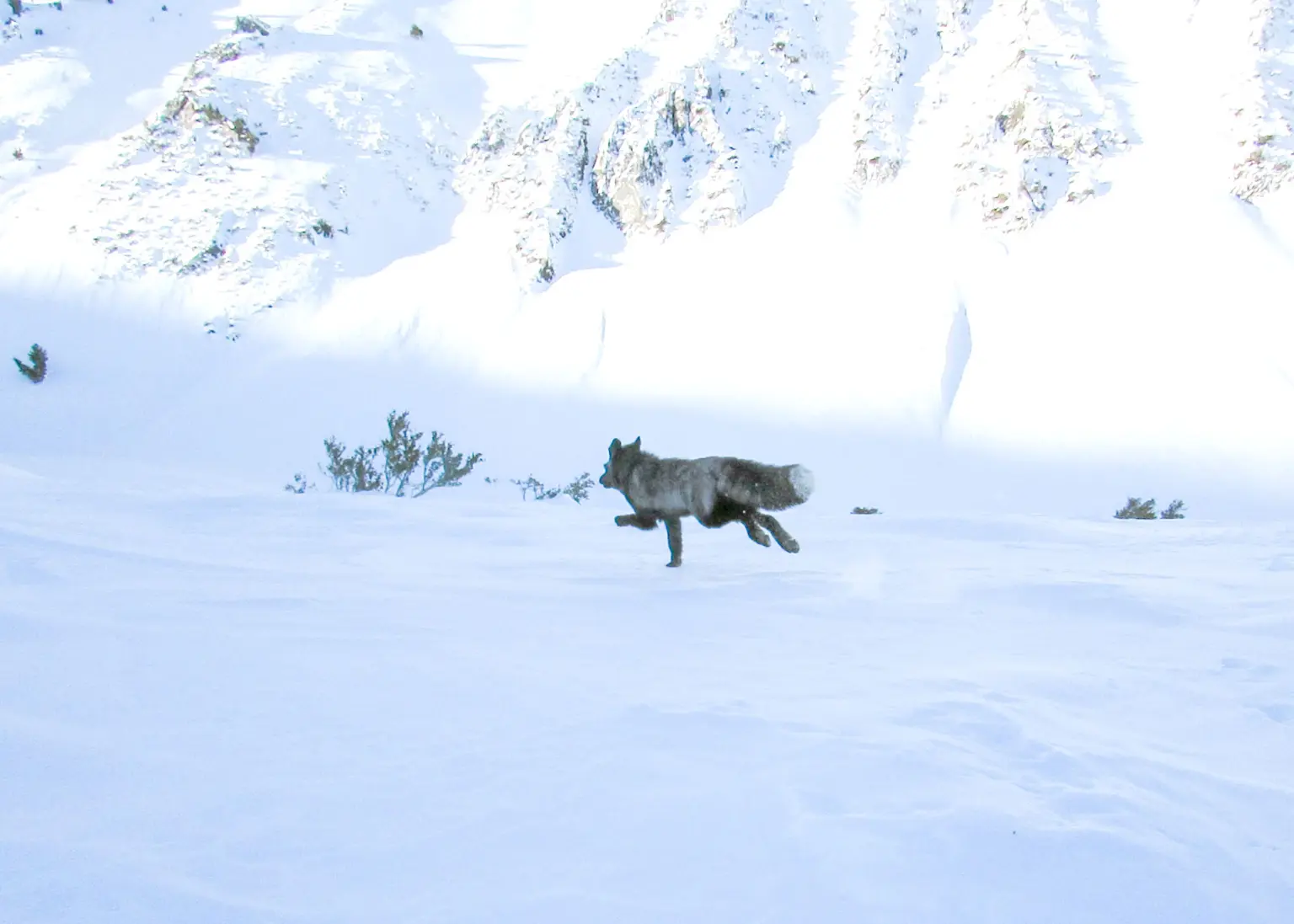
This is the first time CDFW has successfully captured and collared one of California’s rarest and most elusive native carnivores in the southern Sierra Nevada, a region where the species had long been suspected but never directly studied in this way.
“This represents the culmination of 10 years of remote camera and scat surveys to determine the range of the fox in the southern Sierra, and three years of intensive trapping efforts,” said Julia Lawson, an environmental scientist with CDFW.
“Everyone on the team was thrilled to see our hard work pay off. Our goal is to use what we learn from this collared animal to help recover the population over the long term.”
Images shared by the department show the fox running across snow-covered mountain terrain, at one point even looking directly into the camera—an extraordinary moment given how rarely the species is seen.
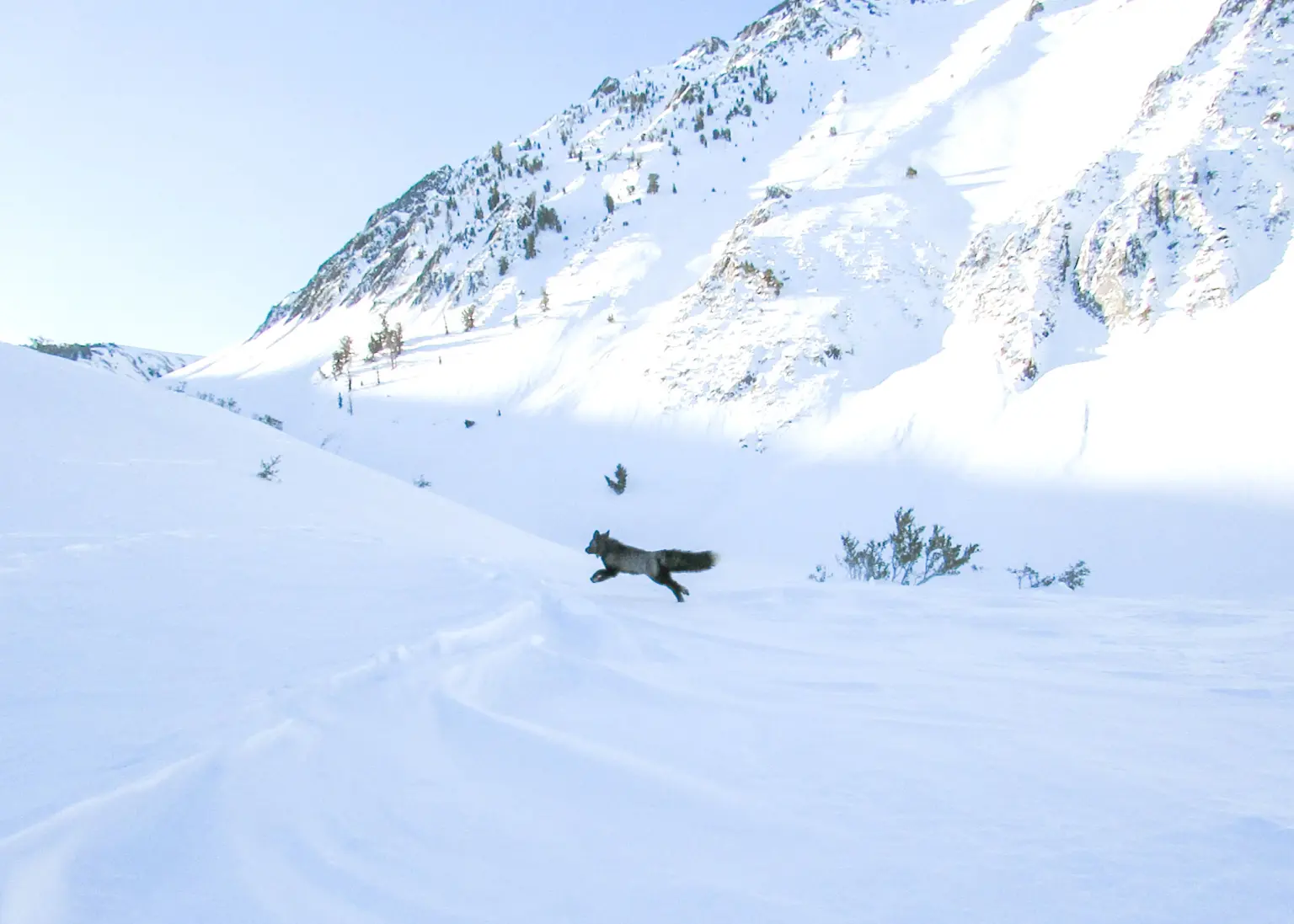
The Sierra Nevada red fox is protected as a Threatened Species under the California Endangered Species Act. The Sierra Nevada population also receives additional federal protection, as it is listed as Endangered under the U.S. Endangered Species Act. Wildlife officials estimate that fewer than 50 individuals remain across the entire Sierra Nevada range.
These foxes are geographically isolated from related populations in the Cascade Range, increasing concerns about genetic diversity and long-term survival. Similar tracking efforts were carried out in northern California near Lassen Peak in 2018, providing valuable data on the species’ behavior and habitat use.
The discovery follows another recent rare wildlife sighting in California: a three-year-old female gray wolf spotted on a trail camera in the mountains north of Santa Clarita in Los Angeles County. The wolf has been tracked by GPS since 2024 and has survived desert crossings in Kern County and multiple journeys across busy highways, according to the Los Angeles Times.
Together, these findings highlight both the resilience of California’s endangered wildlife—and the critical importance of continued conservation efforts.