A Mother’s Day Card, A Cry for Help Ignored: The Heartbreaking Case of Gabriel Fernandez and the System That Failed Him
- SaoMai
- February 23, 2026
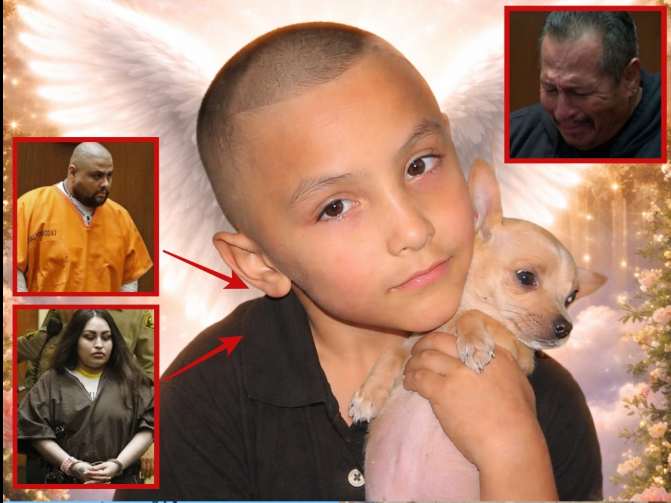
In the spring of 2013, 8-year-old Gabriel Fernandez carefully made a Mother’s Day card for the woman he still longed to please. Like many children his age, he clung to hope — hope that love could be earned, that kindness would be returned, that home would someday feel safe. Just days later, that fragile hope was extinguished in a tragedy so brutal it would shock the nation and expose devastating cracks within the child welfare system meant to protect him.
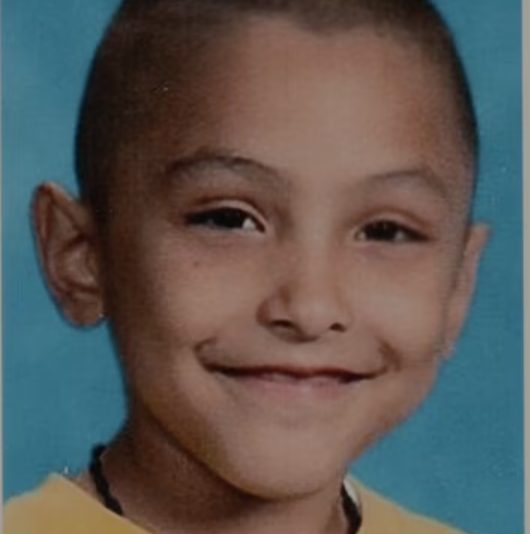 Gabriel had been living in Palmdale, California, with his mother, Pearl Fernandez, and her boyfriend, Isauro Aguirre. Behind closed doors, prosecutors later revealed, he endured months of horrific abuse — beaten, starved, forced to sleep in a small cabinet, shot with a BB gun, and subjected to relentless physical and emotional torment. Teachers noticed bruises. Relatives raised alarms. Neighbors reported suspicions. Social workers from the Los Angeles County Department of Children and Family Services visited the home multiple times. Yet despite clear warning signs, Gabriel remained in the custody of his abusers.
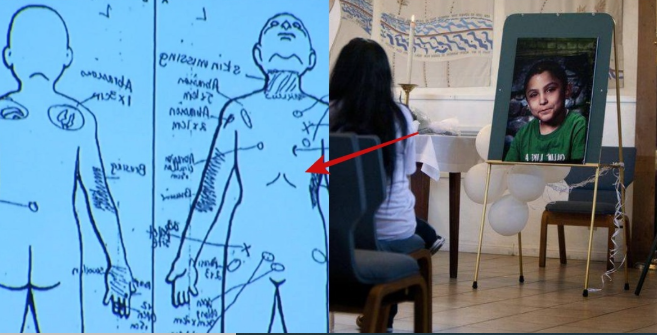 On May 22, 2013, Gabriel was rushed to the hospital with catastrophic injuries: a fractured skull, broken ribs, burns, and signs of severe trauma. He died two days later. The medical examiner ruled his death a homicide resulting from blunt force trauma and abuse. The details that emerged in court were almost unbearable — a portrait of prolonged suffering that had been repeatedly reported but never effectively stopped.
The public outcry was immediate and fierce. Many questioned how so many red flags could have been overlooked. Four social workers were initially charged in connection with the case, marking one of the rare instances in which child welfare employees faced criminal prosecution for failing to protect a child. 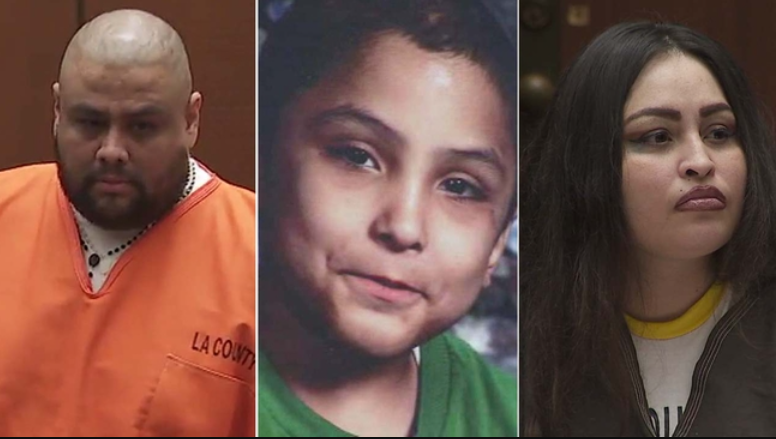 Though those charges were later dismissed, the case ignited a nationwide debate about accountability, oversight, and systemic reform within child protective services.
In 2018, Aguirre was sentenced to death, and Pearl Fernandez received life imprisonment without the possibility of parole (a sentence later modified to life with parole eligibility under changes in California law). But no verdict could undo the suffering Gabriel endured.
Gabriel’s story became widely known through media coverage and later through the Netflix documentary series The Trials of Gabriel Fernandez, which brought renewed attention to the failures that surrounded his life and death. Today, his name stands as a painful reminder that vigilance, compassion, and institutional accountability are not optional — they are matters of life and death. Gabriel should have been protected. Instead, his short life became a call to confront uncomfortable truths and demand that “never again” mean something real for the most vulnerable among us.