Chris Watts and the Disturbing Allure of Infamy
- SaoMai
- February 25, 2026
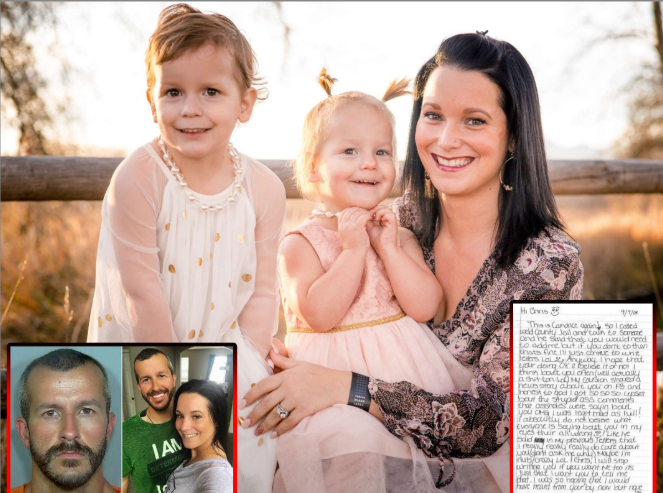
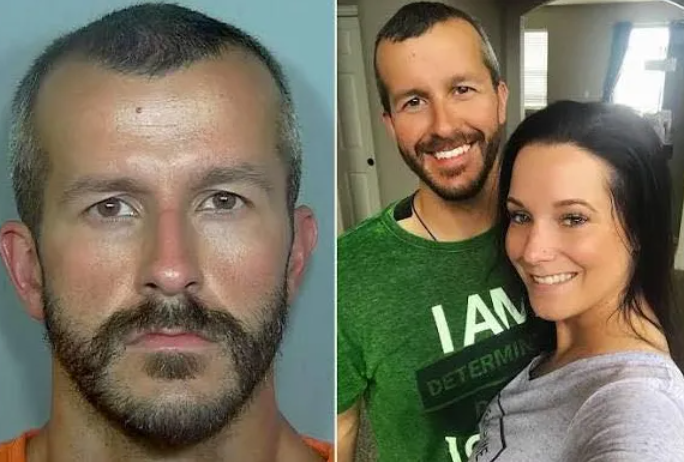
Few crimes in recent memory have horrified the public like those committed by Chris Watts, who murdered his pregnant wife, Shanann Watts, and their two young daughters in 2018. The brutality of the case — and the calculated attempts to cover it up — sparked nationwide outrage and intense media coverage. Yet in the years since his conviction, another deeply unsettling layer has emerged: Watts has reportedly received fan mail from women expressing admiration, affection, and even romantic interest.
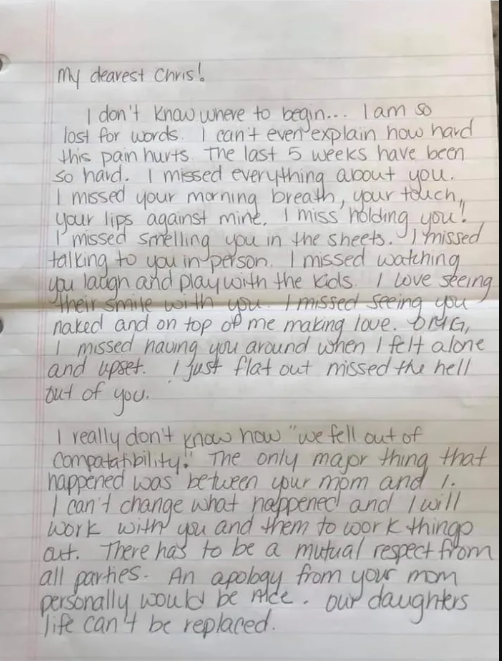 To many, the idea is incomprehensible. How could someone responsible for such devastating violence attract sympathy, let alone devotion? Criminologists and psychologists say this phenomenon, while disturbing, is not entirely new. High-profile criminals have historically drawn attention from individuals who develop emotional or romantic attachments to them, sometimes without ever having met them. In some cases, experts link this behavior to hybristophilia — a paraphilic interest in individuals who commit violent crimes.
Other specialists point to more complex psychological dynamics. Some letter writers may be drawn to the notoriety itself — the intense media spotlight that transforms criminals into infamous public figures. In a culture saturated with true crime documentaries and 24-hour news cycles, perpetrators can become grimly familiar faces. That visibility, paradoxically, can create a warped sense of intimacy.
 There is also the “rescuer” fantasy. Certain individuals may believe they can understand, reform, or emotionally redeem someone the rest of society has condemned. The controlled environment of prison can further distort perception; communication through letters can allow admirers to construct an idealized version of the inmate, detached from the gruesome reality of the crimes.
Still, the existence of such correspondence raises uncomfortable questions about the intersection of crime, fame, and attraction. Why does infamy sometimes translate into attention? How does media exposure shape public perception of offenders? And at what point does curiosity about true crime cross into dangerous fascination?
 For the victims’ families, this phenomenon can feel like a second wound — a reminder that while they grieve unimaginable loss, others romanticize the person responsible. It underscores the complex and often troubling ways society processes extreme violence.
Ultimately, the fan mail does not rewrite the facts of the case. But it does reveal something unsettling about human psychology: that even in the shadow of unthinkable acts, notoriety can generate a following — however disturbing that following may be.