“She Was Only 13”: The Life, Loss, and Lasting Legacy of Tristyn Bailey
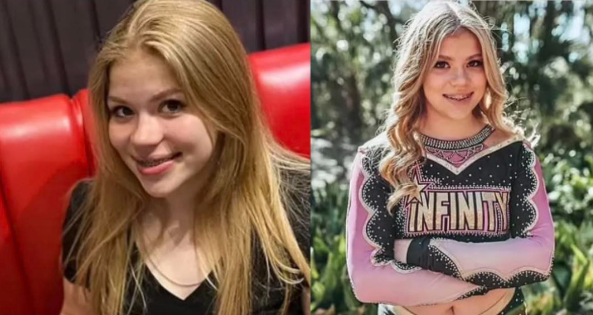
It was Mother’s Day weekend in 2021 when a vibrant young life was stolen in a crime that continues to haunt the nation. Tristyn Bailey was just 13 years old—a spirited cheerleader known for her bright smile, boundless energy, and love for her friends and family. Growing up in St. Johns County, Florida, she filled her days with school activities, laughter, and dreams typical of a middle schooler with her whole future ahead of her.
In the early hours of May 9, 2021, Tristyn left her home and was later reported missing. What followed was a frantic search that ended in heartbreak. Her body was discovered in a wooded area near her neighborhood. The brutality of the attack stunned even seasoned investigators. Court records later revealed she had been stabbed more than 100 times and suffered dozens of defensive wounds—evidence that she fought desperately to survive.
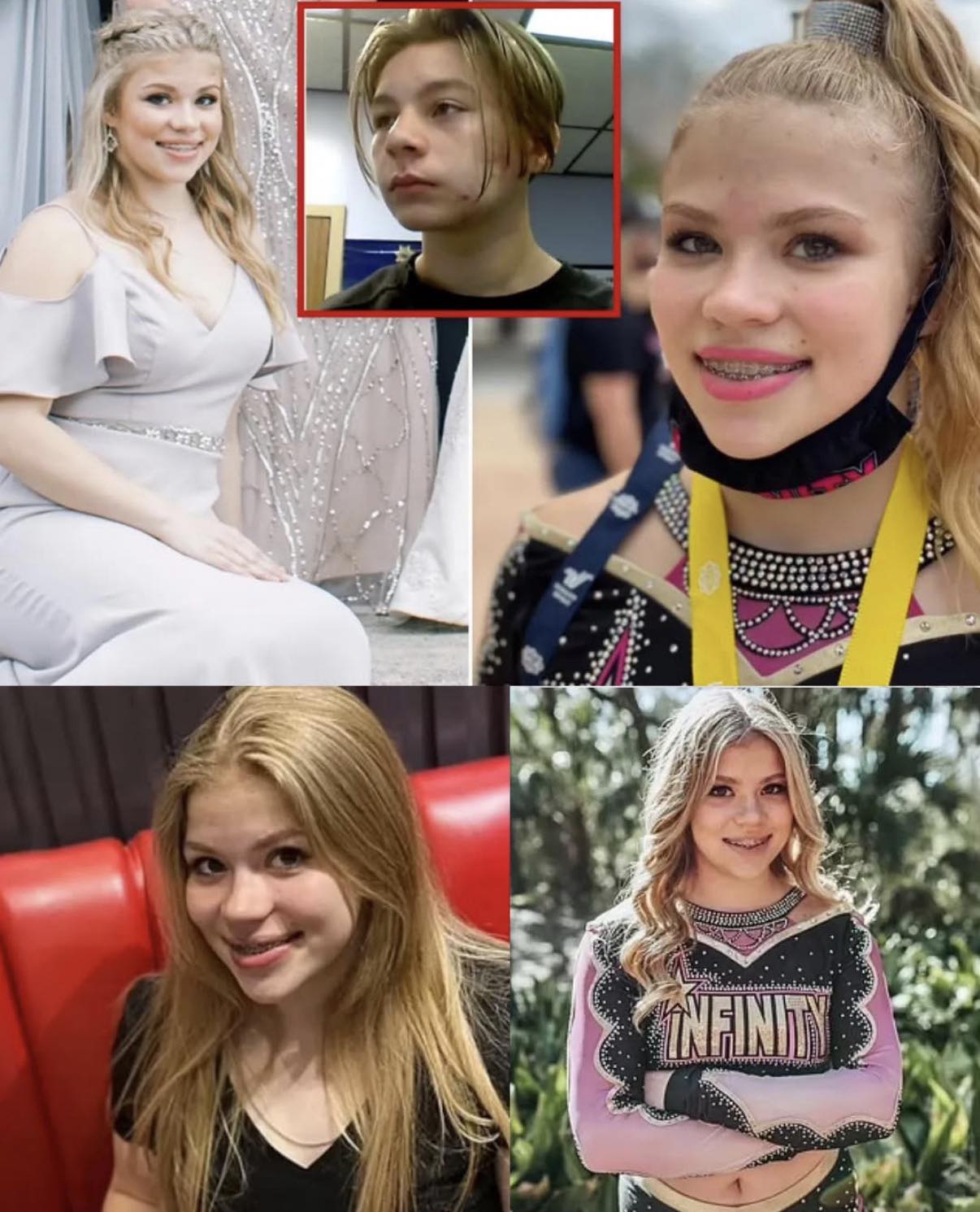
The person responsible was her classmate, Aiden Fucci, who was 14 at the time. Prosecutors stated there was no clear motive beyond a disturbing fascination with violence. According to court findings, he expressed a desire to kill and witness death—statements that sent shockwaves through the courtroom and across the country. The sheer violence of the crime led the judge to caution those present before graphic details and images were presented during proceedings.
Fucci ultimately pleaded guilty to first-degree murder. He was sentenced to life in prison, with the possibility of sentence review after 25 years under Florida law for juvenile offenders. In 2025, his appeal was denied, cementing the life sentence. Now 18, he remains incarcerated in a Florida state prison, having been transferred multiple times for security reasons.
 Yet beyond the horror of that night lies a story of remembrance and resilience. Tristyn’s family has worked tirelessly to honor her life, not just mourn her loss. Through community vigils, scholarship efforts, and open conversations about recognizing troubling warning signs in youth behavior, they have transformed unimaginable grief into advocacy. They speak not only of what was taken, but of who Tristyn was—a loving daughter, loyal friend, and a young girl who radiated kindness.
Years later, the case still resonates deeply. It forces difficult questions about youth violence, mental health, and the responsibility of communities to notice red flags before tragedy strikes. But above all, it reminds us that Tristyn Bailey was more than a headline. She was a child full of light—and through her family’s strength and the community’s remembrance, that light continues to shine.