Battle of the Dog Shows: A New Underdog Captures Britain’s Heart
- SaoMai
- February 27, 2026
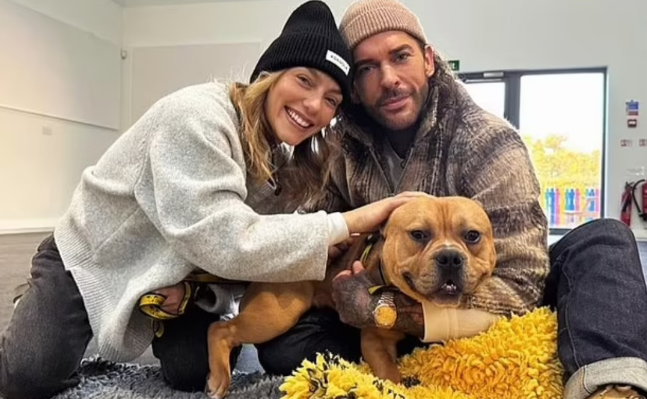
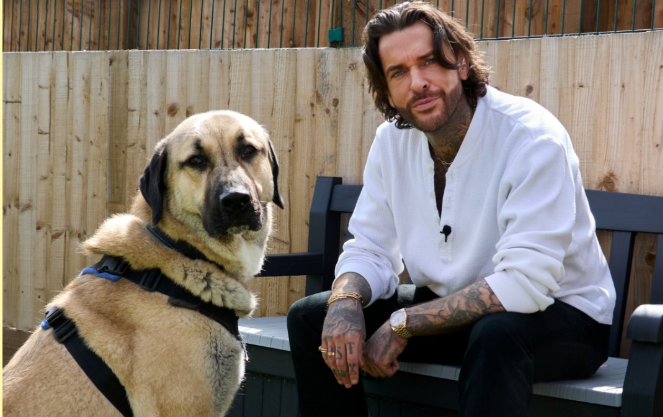
Britain has always had a soft spot for feel-good television — especially when wagging tails and rescue stories are involved. Now, with ITV pressing ahead with For The Love Of Dogs, a new face is quietly stepping into the spotlight. Pete Wicks is fast becoming a familiar and surprisingly natural presence in the nation’s beloved dog-centric TV space — and audiences are responding in a big way.
Originally known for reality television swagger, Pete’s transition into animal advocacy raised a few eyebrows. But what began as a passion project rooted in his well-documented love for rescue dogs has evolved into something far more meaningful. On screen, he brings a calm sincerity that feels refreshingly unforced. There’s no overproduction, no heavy theatrics — just genuine affection for the animals and an easy rapport with the shelter staff who dedicate their lives to them.
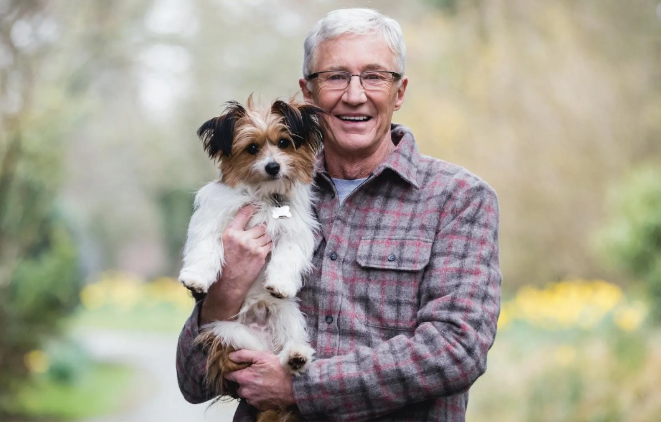
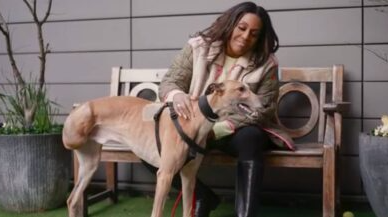 The comparisons were perhaps inevitable. For years, For The Love Of Dogs was synonymous with the late, much-loved Paul O’Grady, whose warmth and mischievous humour defined the show’s heart. To many viewers, he wasn’t just a presenter; he was the emotional glue holding every adoption story together. Stepping into a space so closely associated with such an iconic figure is no small challenge.
Yet Pete isn’t attempting to imitate what came before. Instead, he’s carving out his own tone — quieter, deeply empathetic, and occasionally disarmingly tender. Whether sitting patiently with a nervous rescue or lighting up as a once-overlooked dog finds a forever home, his reactions feel authentic. That authenticity is resonating. Social media buzz continues to grow, and the confirmation of a second series signals that the network has confidence in this evolving chapter.
 What makes this development particularly compelling is how it reflects a broader shift in British television. Viewers aren’t just looking for polished hosting skills; they want emotional honesty. They want to believe the person on screen truly cares. In Pete’s case, his off-camera advocacy and long-standing support for animal charities lend credibility that audiences can sense.
 The “battle” of the dog shows may be more symbolic than literal, but there’s no denying the space is competitive and deeply cherished by viewers. And in a genre built on second chances and unexpected heroes, it feels fitting that a so-called underdog presenter might rise to prominence.
What started as one man’s love for rescue animals is becoming a defining role — and perhaps the beginning of a new era in Britain’s most heart-warming corner of television.