A Walk Home That Never Ended: Remembering Na’Ziyah Harris and the Urgent Call for Vigilance
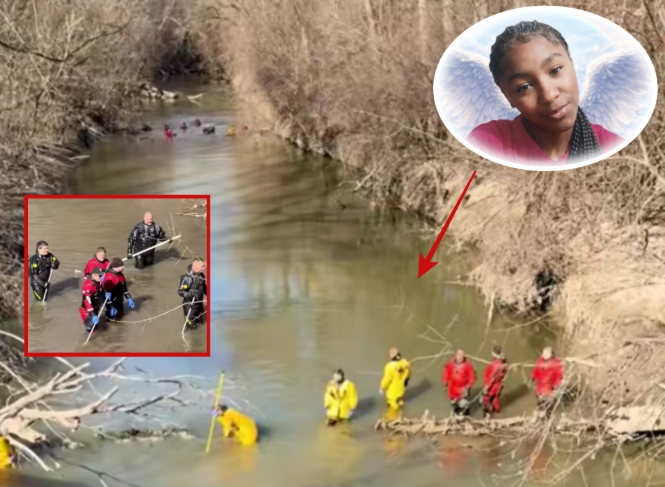
Na’Ziyah Harris was only thirteen years old — an age suspended between childhood and the first exciting glimpses of independence. She should have been worrying about homework deadlines, weekend plans with friends, and the small but meaningful milestones of growing up. Instead, her life was cut short on what began as an entirely ordinary afternoon. After stepping off her school bus and beginning the short walk home, Na’Ziyah vanished. What followed was every family’s worst nightmare: hours of confusion turning into panic, a community mobilizing in desperate hope, and then the devastating truth that she would not be coming back.
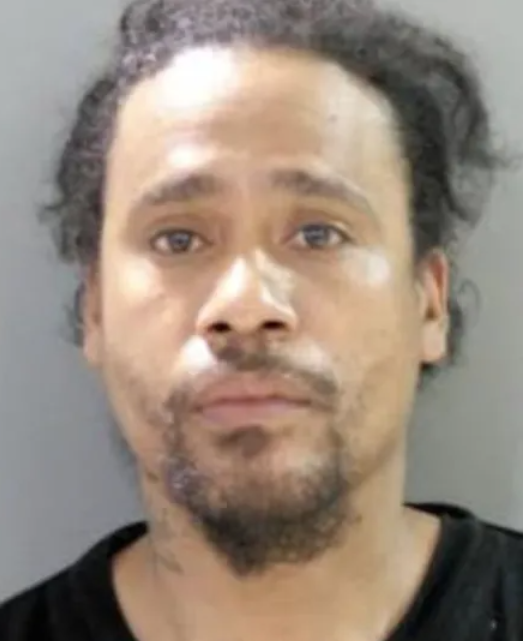
 As investigators pieced together the events surrounding her disappearance, the shock deepened. Authorities identified 42-year-old Jarvis Butts — someone within her trusted circle — as responsible for her death. The betrayal embedded in that revelation made the tragedy even more painful. We often teach children to be cautious of strangers, yet cases like Na’Ziyah’s reveal a more complicated and uncomfortable reality: danger can sometimes come from those who have already been welcomed into our lives. That truth forces communities to confront difficult questions about trust, awareness, and the unseen vulnerabilities that may exist behind familiar doors.
 Perhaps one of the most haunting aspects of this case is that Na’Ziyah’s body has never been found. The absence leaves an open wound for her family — no place to visit, no physical space for closure, only memories and unanswered questions. For loved ones, that uncertainty can be as tormenting as the loss itself. And yet, her name continues to be spoken with determination and love. Her story refuses to fade into silence.
Na’Ziyah’s death is not just a story of unimaginable loss; it is a call to action. It underscores the importance of listening when young people express discomfort, recognizing warning signs of inappropriate behavior, and fostering environments where children feel safe reporting concerns. Schools, parents, neighbors, and community leaders all share responsibility in building protective networks that leave fewer gaps for harm to slip through.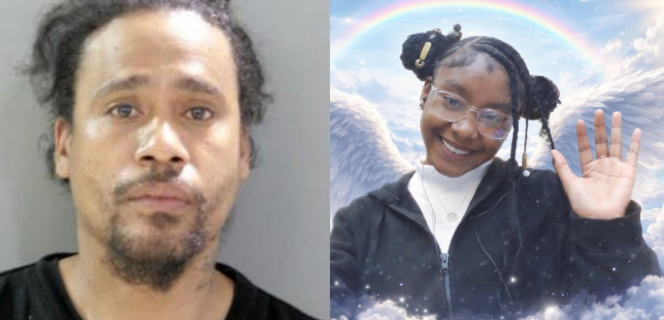 Open conversations about boundaries, mental health, and accountability are not optional — they are essential.
While justice may come through the courts, true justice for Na’Ziyah means more than a sentence handed down. It means strengthening vigilance, deepening awareness, and ensuring that other children are protected from similar harm. Her laughter, her smile, and the life she was meant to live deserve to be remembered not only with grief, but with resolve. In carrying her story forward, we honor her — and we commit to doing better.