How Did No One See Him? The Questions Surrounding Markell Pierce’s Death
- SaoMai
- February 27, 2026
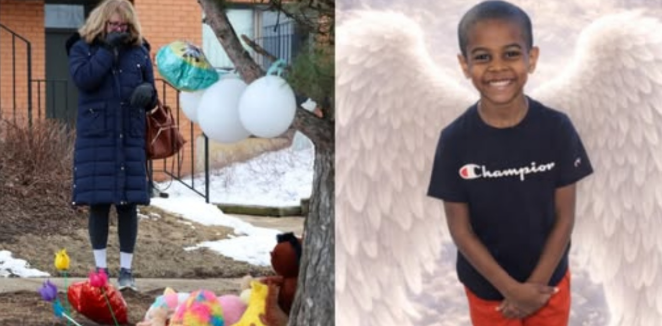
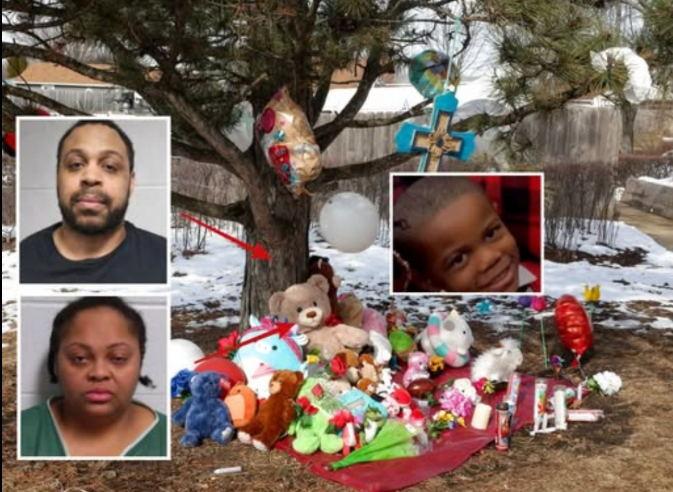
Eight-year-old Markell Pierce should have been living a childhood filled with school days, cartoons, scraped knees, and laughter. Instead, prosecutors allege that for nearly two years, his home life was marked by repeated abuse and severe neglect — conditions no child should ever endure.
According to court filings, Markell’s mother and her boyfriend are accused of subjecting him and his sibling to repeated physical punishment that crossed the line into cruelty. Investigators say both adults admitted to hitting the children. When Markell was later found unresponsive, emergency responders could not save him. The coroner’s findings reportedly confirmed severe malnourishment — a detail that has intensified public outrage and heartbreak.
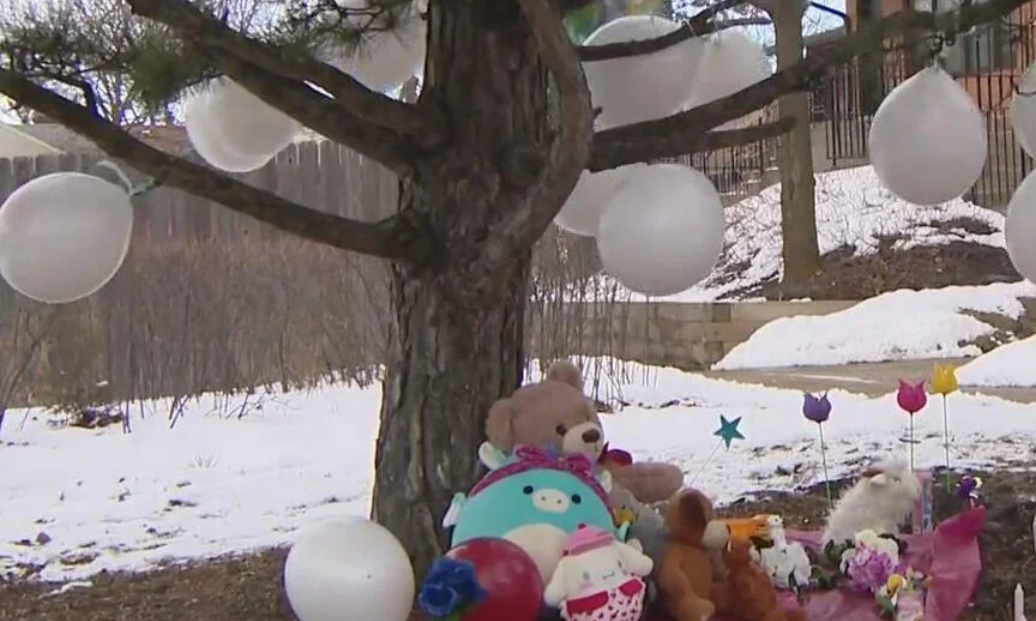 What makes this case especially haunting is not only the allegations of prolonged abuse, but the absence of intervention. There was reportedly no active child protective services case at the time. No open investigation. No formal oversight. Relatives later stated they believed Markell was “just sick,” a heartbreaking reflection of how easily warning signs can be misunderstood — or overlooked.
Another detail has deepened community concern: the boyfriend accused in the case allegedly worked at a school. That fact has prompted urgent questions about background checks, mandatory reporting responsibilities, and whether there were missed opportunities for someone — anyone — to step in. Cases like this force difficult but necessary conversations. How can severe abuse persist for nearly two years without triggering alarms?
What role do neighbors, extended family, educators, and medical professionals play in identifying red flags? When does suspicion become a moral obligation to report? Child welfare experts often point out that prolonged abuse rarely occurs in complete invisibility. There are sometimes signs — chronic hunger, frequent unexplained injuries, extreme behavioral changes, withdrawal, fearfulness. But recognizing signs requires vigilance. Acting on them requires courage. It is also important to remember that investigations are ongoing, and the accused are entitled to due process. The legal system will determine criminal responsibility. But beyond courtroom outcomes lies a broader societal reckoning: systems designed to protect children only work when people engage with them. Markell was eight.
  He depended entirely on the adults around him for safety, nourishment, and care. The tragedy of his death is not just about criminal charges — it is about collective responsibility. When a child disappears in plain sight, it demands reflection from families, schools, agencies, and communities alike. If his story leaves anything behind, it should be heightened awareness: that bruises, hunger, and fear in a child are never things to dismiss. They are reasons to look closer. And sometimes, looking closer can mean the difference between life and loss.