South Korea Voices Concern Over Growing Boycott Sentiment in Southeast Asia
- ThanhThuong
- February 28, 2026
South Korea Voices Concern Over Growing Boycott Sentiment in Southeast Asia
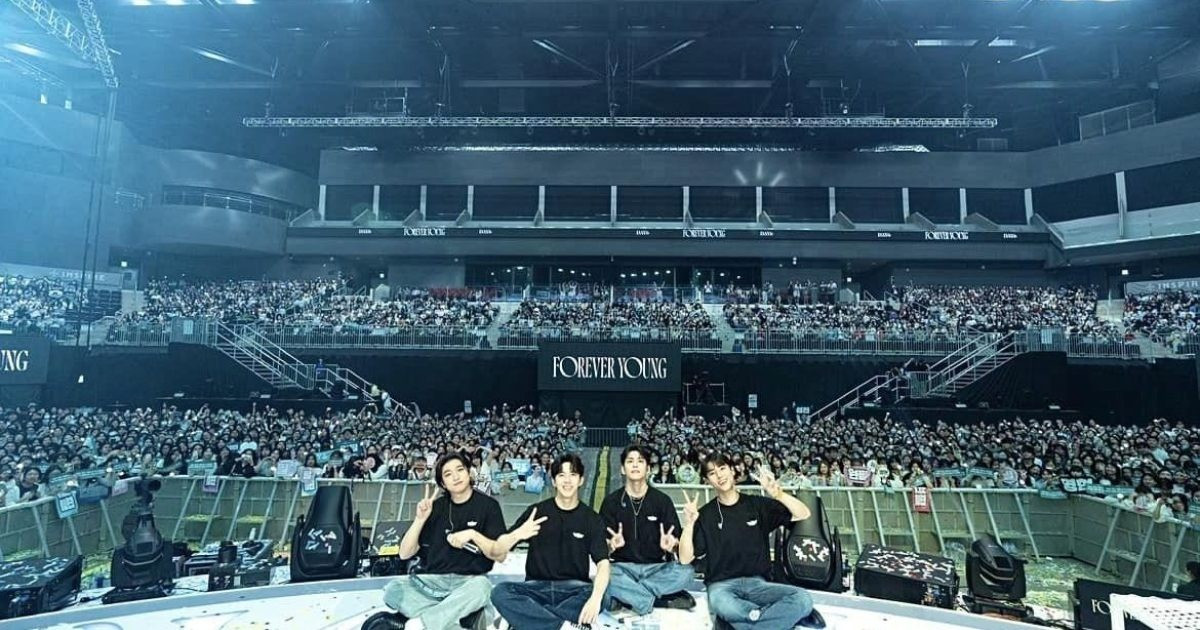
The Korea Times has reported that South Korea’s Foreign Ministry is closely monitoring signs of rising anti-Korean sentiment in Southeast Asia following an online backlash sparked by a recent K-pop concert in Malaysia.
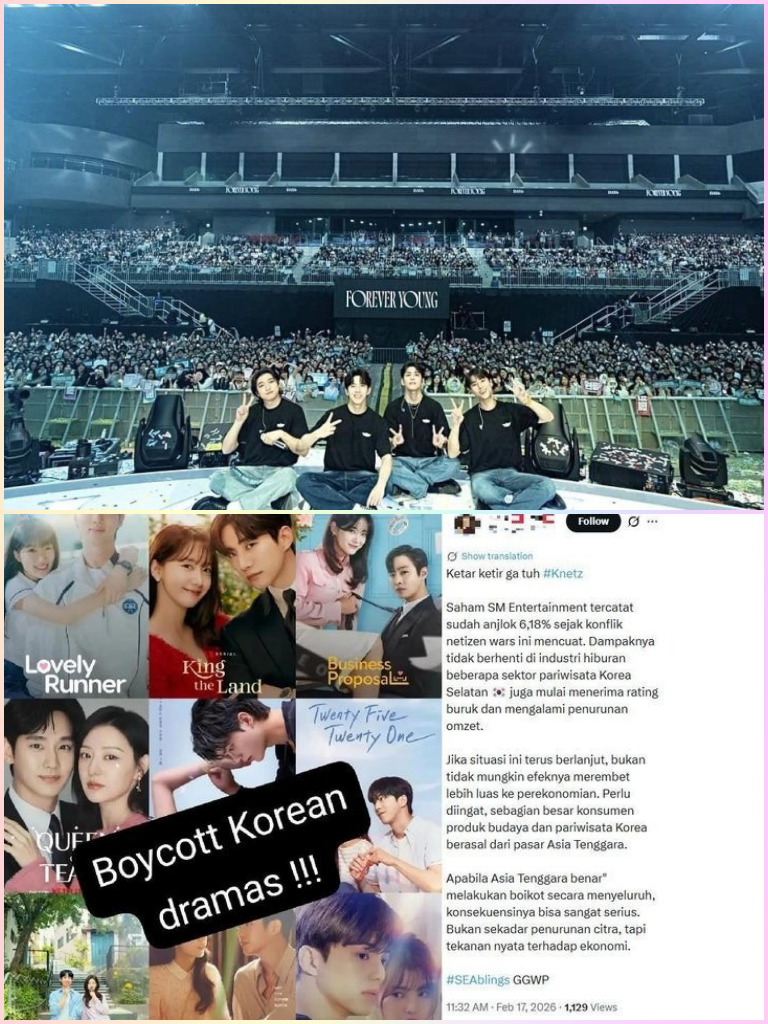
An official in charge of affairs related to the Association of Southeast Asian Nations (ASEAN) at the Ministry of Foreign Affairs of South Korea said the government has been tracking online reactions, including posts using the hashtag “SEAblings,” since the controversy erupted.
“We are concerned that this anger could spread into broader public sentiment. Therefore, we are closely monitoring the situation,” the official said on February 26.

Concert Dispute Sparks Online Backlash
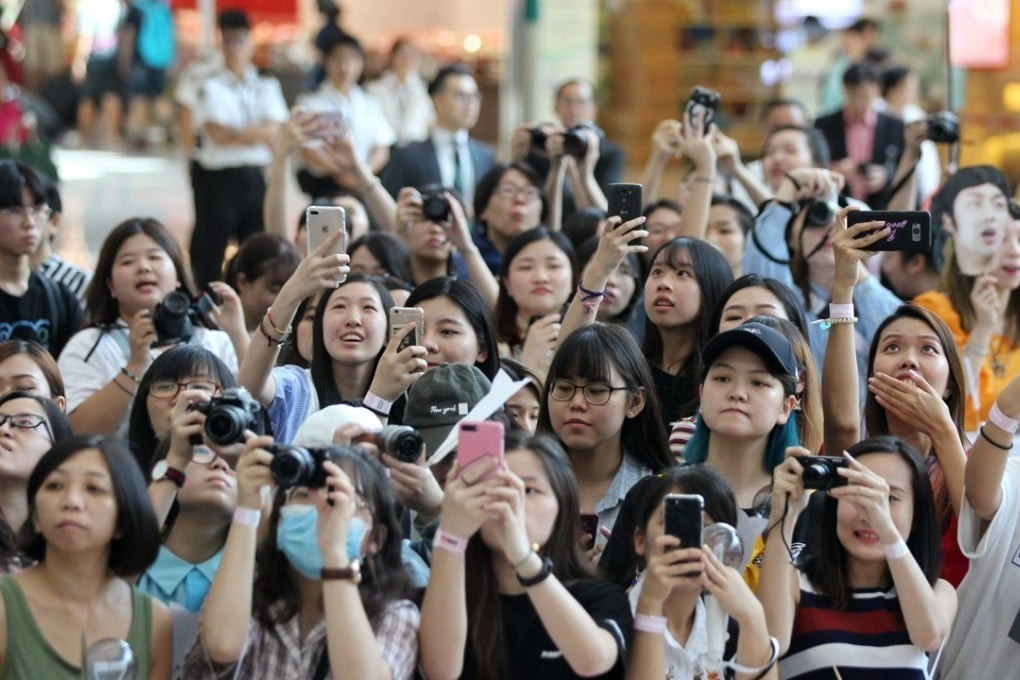
The controversy originated from a January 31 concert in Kuala Lumpur by South Korean band DAY6. During the event, photographers affiliated with Korean fan sites were accused of bringing high-resolution cameras into the venue despite strict rules prohibiting such equipment.
Local fans later shared videos and screenshots on social media criticizing the photographers for allegedly failing to respect local regulations. Some concertgoers also complained that their view was obstructed.
Initially, the online dispute centered on issues of etiquette and rule compliance. However, the situation escalated as heated exchanges between users intensified.
Hashtag “SEAblings” and Boycott Calls
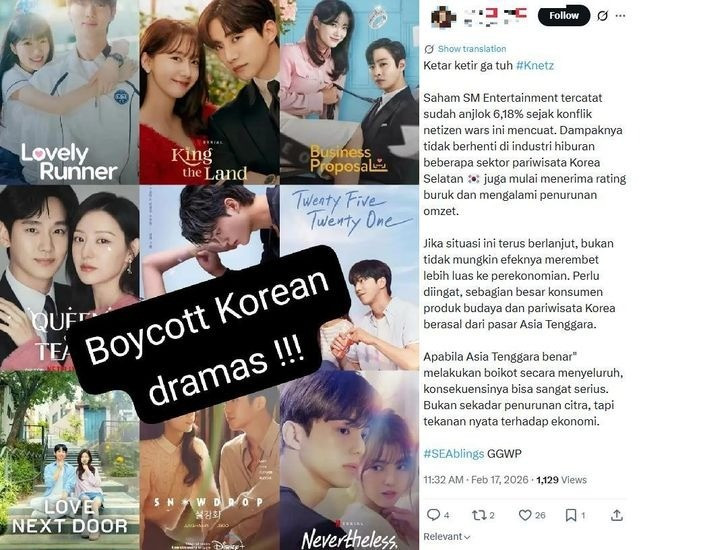
Tensions rose further when some Korean netizens reportedly mocked Southeast Asians and their countries in online comments. In response, Southeast Asian users circulated those remarks widely on social media, using the hashtag “SEAblings” — a term intended to highlight regional solidarity.
The hashtag gained traction and was accompanied by calls to boycott South Korean products and cultural content, including entertainment exports.
Although the wave of outrage appears to have subsided since its initial surge, South Korean authorities view the episode as a warning sign.
Government Monitoring and Broader Concerns
According to the Foreign Ministry official, Seoul has intensified monitoring of online public opinion across the region, reviewing content in Malay, Indonesian, and other Southeast Asian languages to assess the scale and trajectory of anti-Korean sentiment.
The official acknowledged that while the movement did not expand significantly beyond its initial burst, it demonstrated how quickly negative sentiment could spread when a specific incident intersects with underlying grievances.
“We cannot completely rule out the possibility that as Korean culture becomes more prominent, backlash may also emerge,” the official emphasized.
Cultural Influence and Risk of Backlash
South Korea’s cultural exports — from K-pop to television dramas and consumer brands — have gained enormous popularity throughout Southeast Asia. However, analysts note that heightened visibility can also make a country more vulnerable to criticism or nationalist pushback.
For now, officials say they are focusing on preventing misunderstandings from escalating and ensuring that diplomatic and cultural ties with Southeast Asian partners remain stable.
The episode underscores both the power of social media and the delicate balance that accompanies global cultural influence.