A Claim That Refuses to Fade: Questions, Doubt, and the Madeleine McCann Mystery
- SaoMai
- February 28, 2026
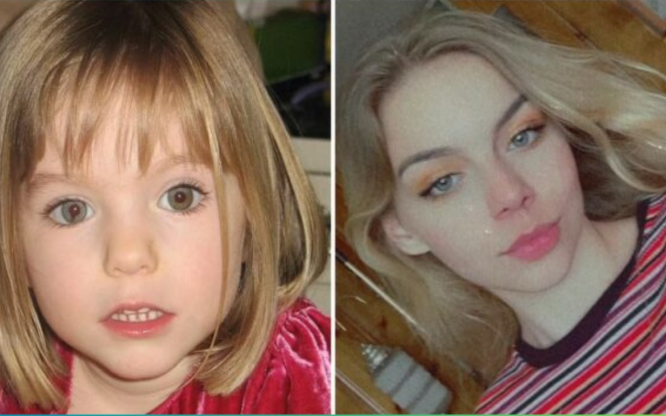
Nearly two decades after the disappearance of Madeleine McCann in Praia da Luz, the case remains one of the most haunting and widely followed missing-child investigations in modern history. Now, a 21-year-old German woman who claims she could be Madeleine has once again found herself at the center of intense international scrutiny — and the renewed attention has reopened old wounds and deep emotions across the globe.
The woman, who has used social media to publicly assert her belief that she may be the missing British child, has drawn both sympathy and skepticism. Her claims quickly went viral, triggering a wave of online speculation, amateur investigations, and renewed media focus. Yet as interest surged, so too did questions.
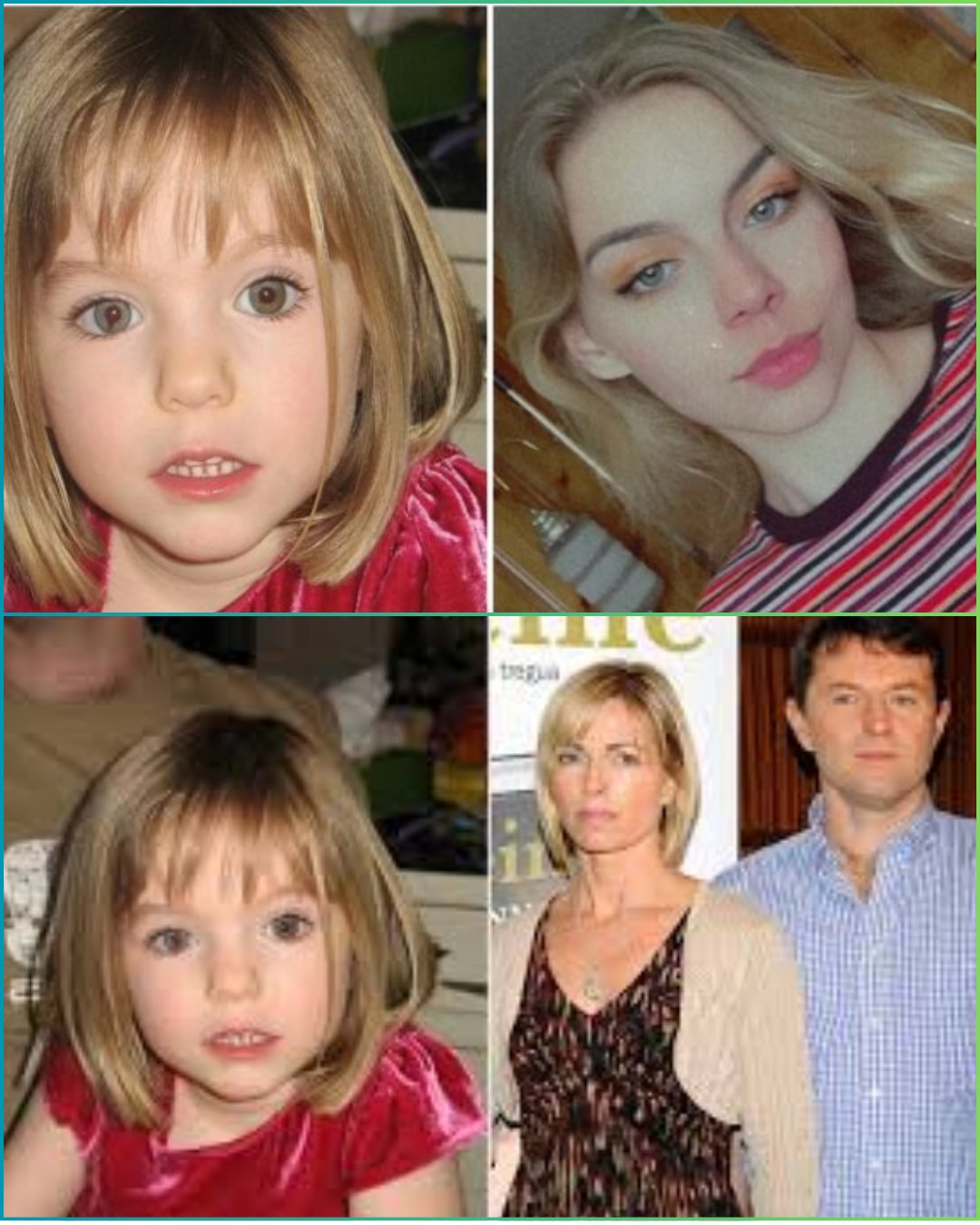 Former classmates and neighbors have reportedly come forward, describing inconsistencies in her past. Some say there are no clear childhood photographs. Others claim there are gaps in shared memories — birthdays, school events, ordinary details that typically anchor a person’s early life. These accounts have fueled doubt, creating a widening divide between those who believe the possibility deserves serious consideration and those who see troubling contradictions. So what has actually been verified?
Authorities have confirmed that official investigations into Madeleine McCann’s disappearance remain ongoing, with German prosecutors previously identifying Christian Brueckner as a key suspect in the original case. However, there has been no public confirmation from law enforcement supporting the young woman’s claim. Crucially, no verified DNA evidence has been released linking her to Madeleine’s family. That distinction matters. In high-profile cases like this, emotion can move faster than evidence. 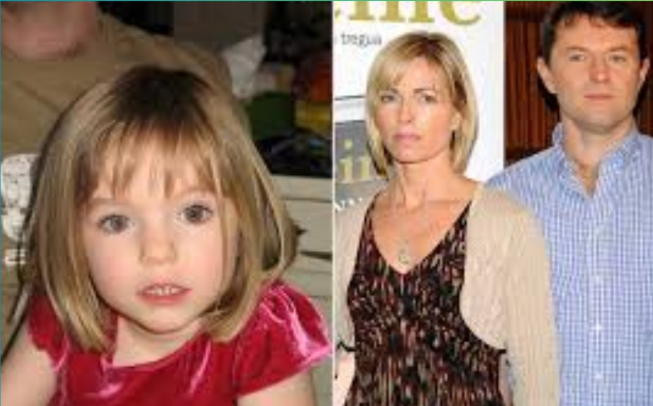 The hope that a long-missing child might be found alive is powerful — almost irresistible. For Madeleine’s parents and loved ones, every new development inevitably stirs both longing and pain. But hope, while deeply human, must be grounded in verifiable facts. At present, much of what surrounds the 21-year-old’s story remains unproven. Social media statements are not the same as forensic confirmation. Personal testimony, whether supportive or critical, does not replace scientific validation. Without DNA results or official endorsement from investigators, the claim remains exactly that — a claim.
Yet the fact that the story refuses to fade speaks volumes. Madeleine McCann’s disappearance continues to resonate because it represents unresolved loss — a mystery suspended in time. Each new development, credible or not, reignites a global conversation fueled by empathy, doubt, and the enduring desire for answers.
For now, the central question remains unchanged: What can be confirmed, and what cannot? Until evidence speaks clearly, the world watches — cautiously, carefully — aware that in cases like this, truth must rise above speculation.