They Were Meant to Be Protected, Not Imprisoned
- KimAnh
- February 28, 2026
The Shocking Philadelphia Abuse Case That Exposed a Systemic Failure
Some crimes are so disturbing that they permanently change how society views vulnerability and trust. In October 2011, a routine landlord visit in Philadelphia led to the discovery of one of the most horrifying cases of prolonged abuse in modern American history. What was found behind a heavy steel door in a sub-basement shocked investigators, lawmakers, and the public alike.
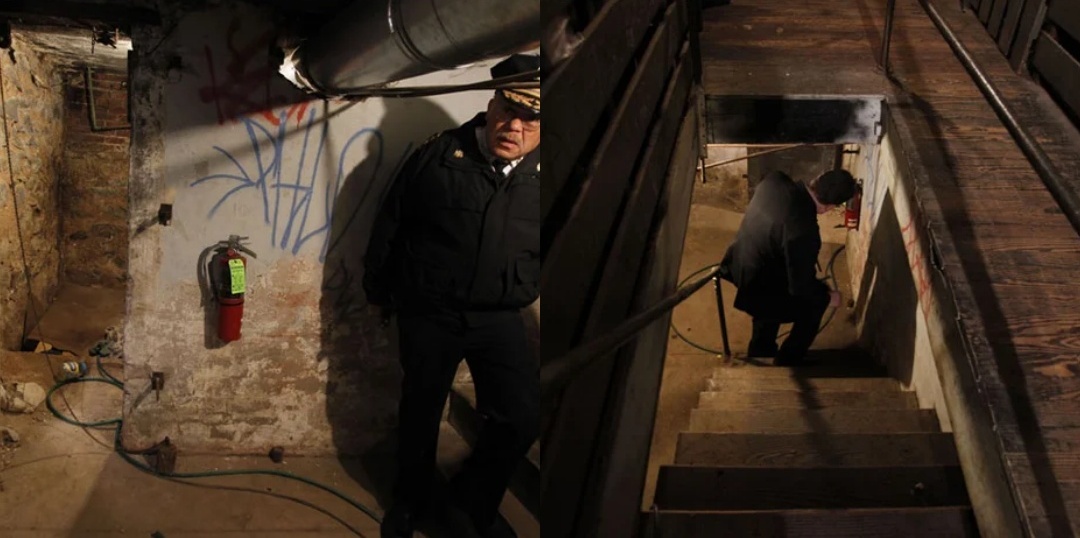
Four adults were being held captive in conditions that defied basic human dignity. The cramped, damp space measured just ten by fifteen feet. The air was thick and suffocating, the floor filthy, and a broken boiler stood beside them like a constant reminder of neglect. This small room had not been a temporary hiding place. It had been a prison.
A Decade of Hidden Captivity
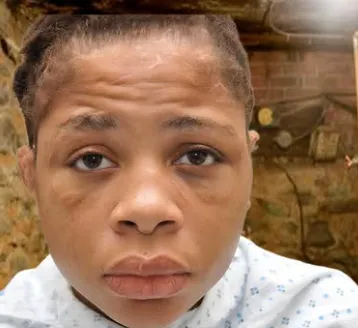
Inside the basement were three men and one woman, all severely malnourished and disoriented. Their bodies showed signs of prolonged neglect, while their eyes revealed something even more devastating: years of captivity. Authorities soon learned that these victims had not been abducted in the traditional sense. Instead, they had been trapped through manipulation, dependency, and fear.
At the center of the case was Linda Weston, a woman who had positioned herself as a caregiver to adults with intellectual disabilities. What initially appeared to be financial mismanagement quickly unraveled into a calculated system of exploitation that spanned nearly a decade.
How Trust Became a Weapon
Weston served as a “representative payee,” a legal role that allows an individual to manage government benefits for those unable to do so themselves. This system is designed to protect vulnerable adults, ensuring their Social Security and disability payments are used for food, housing, and medical care.
Instead, Weston used that authority to control every aspect of her victims’ lives. Over the years, she siphoned more than $200,000 in government benefits. The money intended to provide safety and stability was stolen, while the people it was meant to help were confined, abused, and silenced.
Systematic Abuse Behind Closed Doors
Investigators determined that the abuse was not impulsive or sporadic. It was methodical. Victims were beaten with household objects and firearms. Some were locked inside closets, cabinets, or attics for extended periods of time. Food was limited and, in some cases, drugged to keep them compliant.
Beyond physical violence, the investigation uncovered deeply disturbing allegations of sexual exploitation. Authorities revealed that some victims were coerced into prostitution. Others were forced into sexual situations designed to result in pregnancies, allowing Weston to claim additional financial benefits tied to children.
This was not simply neglect. It was a deliberate system of control built on isolation and fear.
Deaths That Went Unnoticed
Perhaps the most haunting aspect of the case is how long the abuse continued without intervention. Years before the 2011 discovery, warning signs had already appeared.
In 2005, a woman named Donna Spadea died after being subjected to prolonged abuse in a basement environment. Her death did not trigger a broader investigation. In 2008, another victim, Maxine Lee, died after being confined in small spaces and denied medical care. She suffered from untreated meningitis and extreme malnutrition.
Each death represented a missed opportunity to stop the abuse. Each failure revealed cracks in the systems meant to protect the most vulnerable members of society.
Abuse Within the Family
The pattern of exploitation extended even into Weston’s own family. Despite a prior murder conviction dating back to 1981, she was able to gain custody of her niece, Beatrice. For nearly ten years, the child endured abuse that included burns and injuries inflicted with pellet guns.
The case raised disturbing questions about how background checks, child welfare oversight, and social services could fail so completely.
A Network of Exploitation
As law enforcement pieced together the evidence, it became clear that this was not a single-household crime. Weston had operated across multiple residences, moving victims when necessary and exploiting gaps in oversight. She specifically targeted individuals who were isolated, cognitively impaired, or lacked strong family support.
Their dependence became the mechanism of control. Their silence became her shield.
Justice, At Last
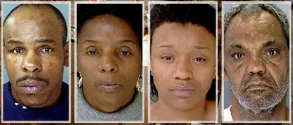
In 2015, facing overwhelming evidence, Weston pleaded guilty to 196 federal charges, including racketeering, sex trafficking, kidnapping, and murder. The plea agreement allowed her to avoid the death penalty, but she was sentenced to life in federal prison.
For the survivors, the sentencing offered accountability, but not closure. Many required years of medical treatment and psychological care. The trauma they endured did not end when the courtroom doors closed.
Lessons the System Cannot Ignore
The Philadelphia case forced a national reckoning with how government benefit systems are monitored and enforced. How could someone with a violent criminal history gain control over vulnerable adults? How did repeated red flags go unnoticed for so long?
It also highlighted the extraordinary resilience of the survivors. Despite years of manipulation and abuse, they lived. They testified. And their voices ensured that justice was finally served.
A Warning That Still Echoes
What was found behind that steel door in 2011 remains a chilling reminder of what can happen when vulnerability meets unchecked power. Protection systems exist for a reason. When they fail, the consequences can be devastating.
This story is not only about cruelty. It is about accountability, oversight, and society’s responsibility to protect those who cannot protect themselves. Justice arrived, but only after unimaginable suffering.
And the lesson remains clear: vigilance must never waver when lives depend on it.