Three Months After Her Death, the Truth Began to Surface

The Case of Eight-Year-Old Meela Miller and the Abuse That Remained Hidden
What should have been a childhood filled with school mornings, scraped knees, and bedtime routines instead unfolded in silence behind closed doors.
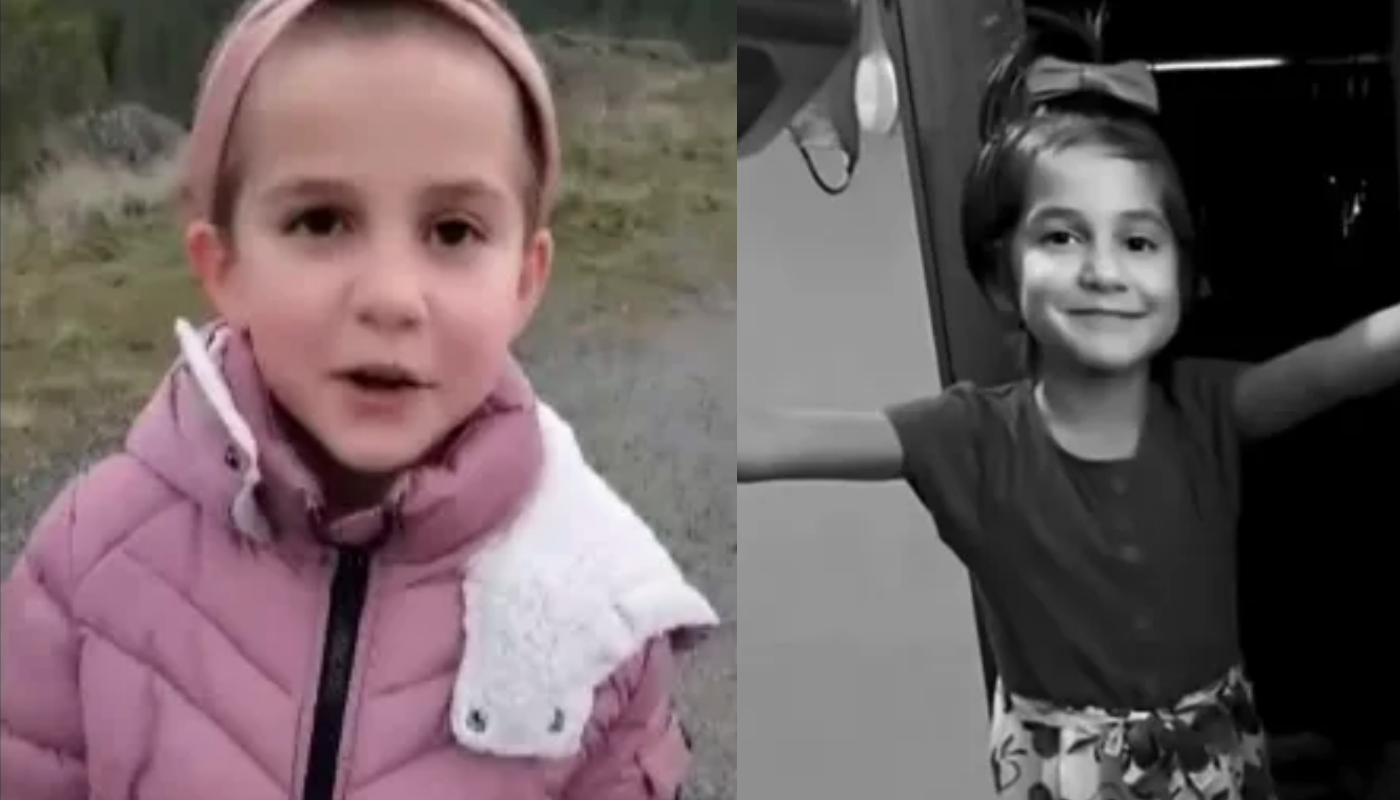
Meela Miller was only eight years old when her life ended. Yet the suffering that preceded her death had lasted far longer than anyone outside the home realized. Investigators would later struggle to reconcile her young age with the condition of her body. She was a child who should have been growing, learning, and laughing. Instead, she was slowly wasting away.
When Meela came under the care of her aunt, Mandie Miller, her world narrowed dramatically. Prosecutors allege that Mandie and her partner, Aleksander Kurmoyarov, did not provide safety or care. Instead, authorities say the household became a place of control, isolation, and deliberate cruelty.
A Pattern of Abuse, Not an Accident
According to investigators, what Meela endured was not the result of momentary neglect or poor judgment. It was a sustained pattern of abuse carried out over time.
By the time Meela died in September 2022, her body weighed just 26 pounds. That number stunned even experienced detectives and medical professionals. At eight years old, she weighed less than many toddlers who are still learning to walk.
Medical examinations reportedly showed signs consistent with prolonged starvation. Her frail body told a story that was difficult to process. Bones were sharply visible. Muscle tissue had deteriorated. The physical structure of a growing child had been altered by months of deprivation.
Starvation, prosecutors say, was only one part of the abuse.
Authorities also described evidence of repeated physical injuries, suggesting ongoing beatings. There were indications that Meela had been confined and isolated, cut off from normal contact with the outside world. Beyond the lack of food, she was allegedly denied comfort, affection, and basic human care.
Investigators emphasized that abuse of this severity rarely happens suddenly. It develops in cycles of control, punishment, and deprivation. Each act reinforces the next, stripping away dignity and resistance. Prosecutors argue that what happened to Meela was intentional, not accidental.
Death Followed by Silence
When Meela died, help was not called.
There was no emergency phone call, no attempt to rush her to a hospital, no effort to save her life. Instead, investigators say her death was met with silence.
For three months, authorities allege, Meela’s death was concealed. Rather than reporting the loss of a child, Mandie Miller and Aleksander Kurmoyarov are accused of hiding her body. The details that later emerged shocked even veteran law enforcement officers.
Prosecutors say the couple placed Meela’s remains in a rented U-Haul truck and transported her across state lines. She was not carried with dignity or care. Instead, investigators allege, she was treated as something to be moved and hidden.
That image of an eight-year-old child being transported in the back of a rental truck became one of the most disturbing elements of the case.
How the Truth Finally Emerged
Authorities believe the concealment might have continued even longer if not for irregularities surrounding burial documentation.
Attempts to bury Meela without proper records raised immediate concerns. Questions were asked. Officials were alerted. Once scrutiny began, the truth unraveled quickly.
Investigators launched a full criminal inquiry. Interviews, forensic evidence, and searches of the home revealed what prosecutors describe as a deeply disturbing pattern of abuse. Each new discovery added another layer to an already horrifying case.
Mandie Miller and Aleksander Kurmoyarov were arrested and charged with murder and child abuse. Court filings allege prolonged starvation, physical assault, and confinement that occurred over many months.
The legal process is ongoing. Defense attorneys will challenge the allegations in court. But for Meela, accountability comes far too late to change the outcome of her life.
Why Abuse Can Remain Hidden
Cases like Meela’s often leave communities asking the same painful question. How could this happen without anyone noticing?
Child abuse thrives in isolation. It depends on secrecy, closed doors, and the absence of outside oversight. When children are removed from regular contact with teachers, neighbors, doctors, or extended family, they can disappear from view entirely.
Experts note that prolonged starvation and confinement leave physical and behavioral warning signs. Extreme weight loss, withdrawal, unexplained injuries, and fear responses can all signal danger. When these signs are seen and acted upon, lives can be saved.
But when isolation is complete, opportunities for intervention vanish.
The alleged decision to hide Meela’s death for months compounded the cruelty. Prosecutors argue that deception extended beyond her life, denying her dignity even in death.

A Case That Demands Accountability
For investigators and prosecutors, cases involving child victims carry a heavy emotional toll. Evidence must be examined in clinical detail, even when the human cost is overwhelming. In courtrooms, the language of law struggles to contain the scale of harm inflicted on a child.
For the public, the details are almost unbearable. It is easier to look away than to imagine an eight-year-old weighing 26 pounds. It is easier to believe such cases are rare than to confront the systemic gaps that allow them to happen.
But Meela Miller was not a statistic.
She was a child who likely had favorite things, daily routines, and hopes that never had the chance to form. Her life deserved protection.
The Urgency Behind Her Name
If convictions are secured, Mandie Miller and Aleksander Kurmoyarov could face lengthy prison sentences. But no legal outcome can restore the childhood Meela was denied.
Advocates stress that the lesson must not end with punishment. Abuse often escalates when early warning signs are missed. What begins as control can grow into deprivation and violence. Intervention saves lives only when it happens early.
Meela’s frail body told a truth that words could not soften. It spoke of hunger that lasted far beyond a missed meal. It revealed pain that extended far beyond a single act.
Her story now carries both grief and urgency.
Urgency to look closer. To speak sooner. To refuse silence when something feels wrong.
Because no child should disappear behind a locked door. No life should reveal months of suffering only after death. And no warning sign should ever be ignored until it is too late.