Iran’s Supreme Leader Ali Khamenei dies, five leading contenders to succeed him
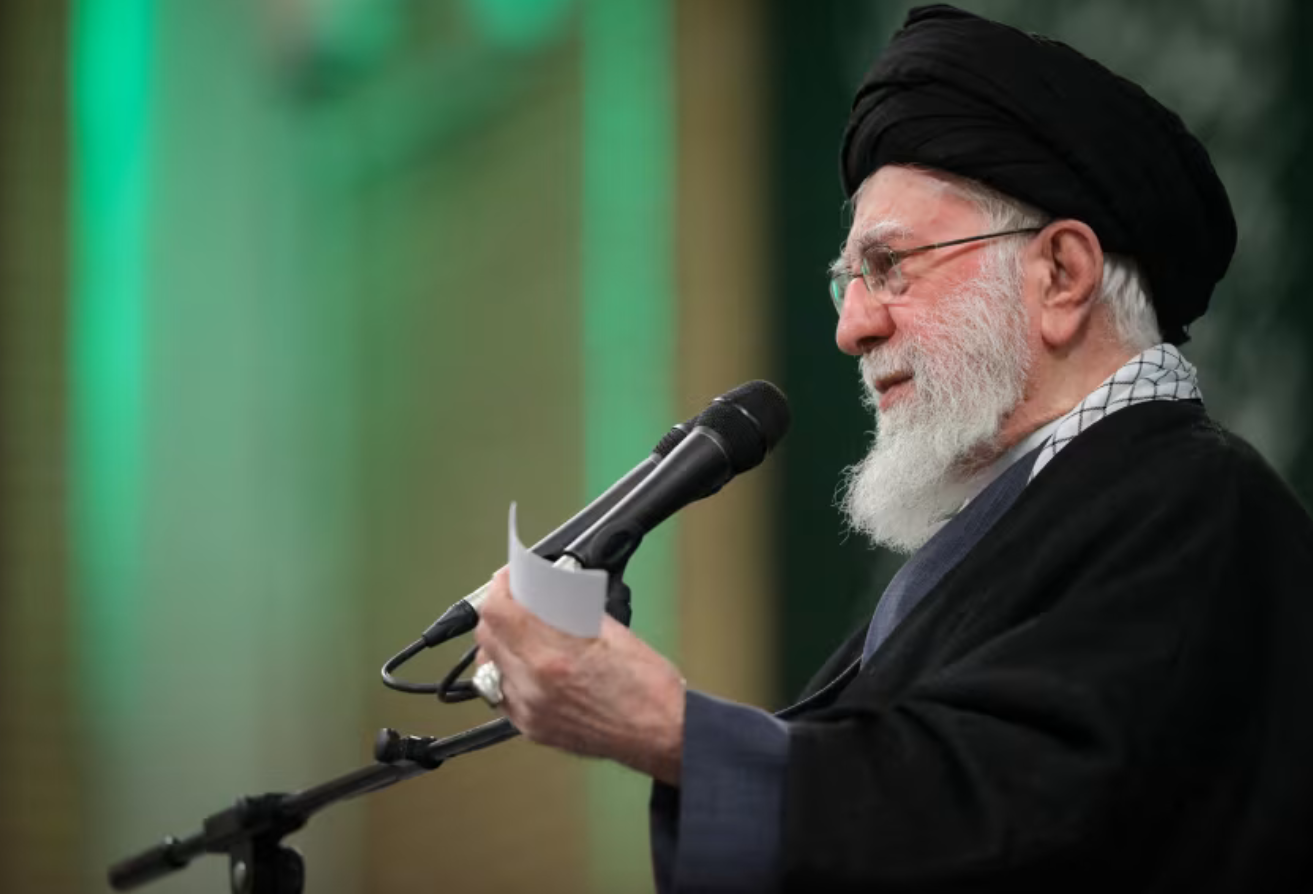
Iranian media have confirmed that Supreme Leader Ayatollah Ali Khamenei has died. Iran’s Fars News Agency reported that his daughter, son-in-law and grandson were also killed.
“Khamenei’s death marks another defining day for Tehran, another for Iran, and another for the region,” said Ali Hashem, a correspondent for Al Jazeera.
Khamenei assumed leadership of the Islamic Republic in 1989 following the death of Ayatollah Ruhollah Khomeini, who had led the Islamic Revolution a decade earlier. While Khomeini was the ideological force behind the revolution that ended the Pahlavi monarchy, Khamenei went on to shape Iran’s military and paramilitary apparatus—building a defense system against rivals and extending Tehran’s influence beyond its borders.
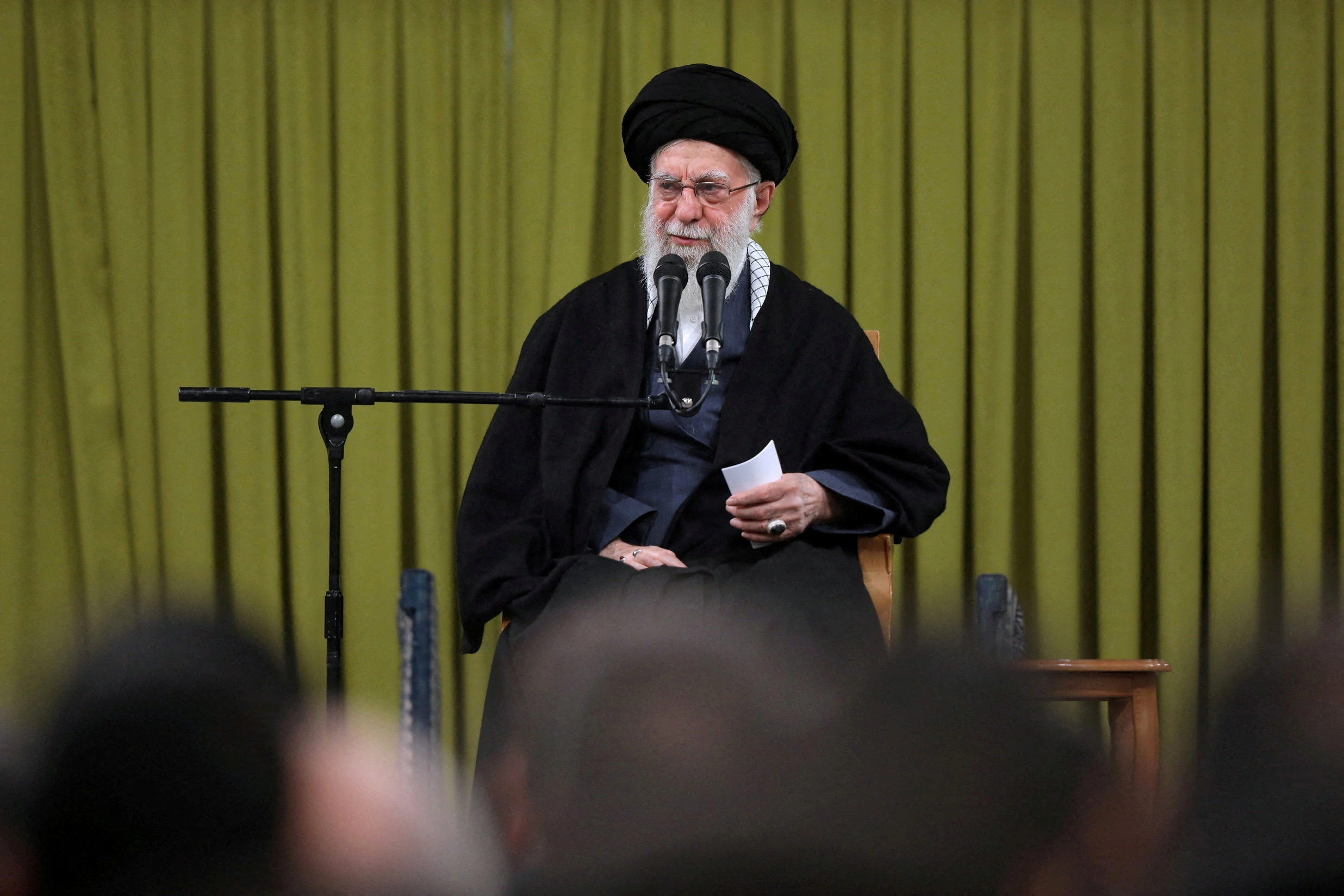
Who will succeed Iran’s supreme leader remains unclear. The veteran leader had not publicly named a successor. The choice now falls to the Assembly of Experts, an elected body of 88 senior clerics tasked with selecting the next supreme leader.
According to CNN, analysts point to several prominent contenders:
Mojtaba Khamenei, 56:
The second son of the late supreme leader, Mojtaba is considered highly influential and is believed to have close ties to the Islamic Revolutionary Guard Corps and the Basij volunteer paramilitary force. However, dynastic succession from father to son is widely opposed within Shia clerical circles. Another obstacle is that Mojtaba is not a senior cleric and holds no formal government position.
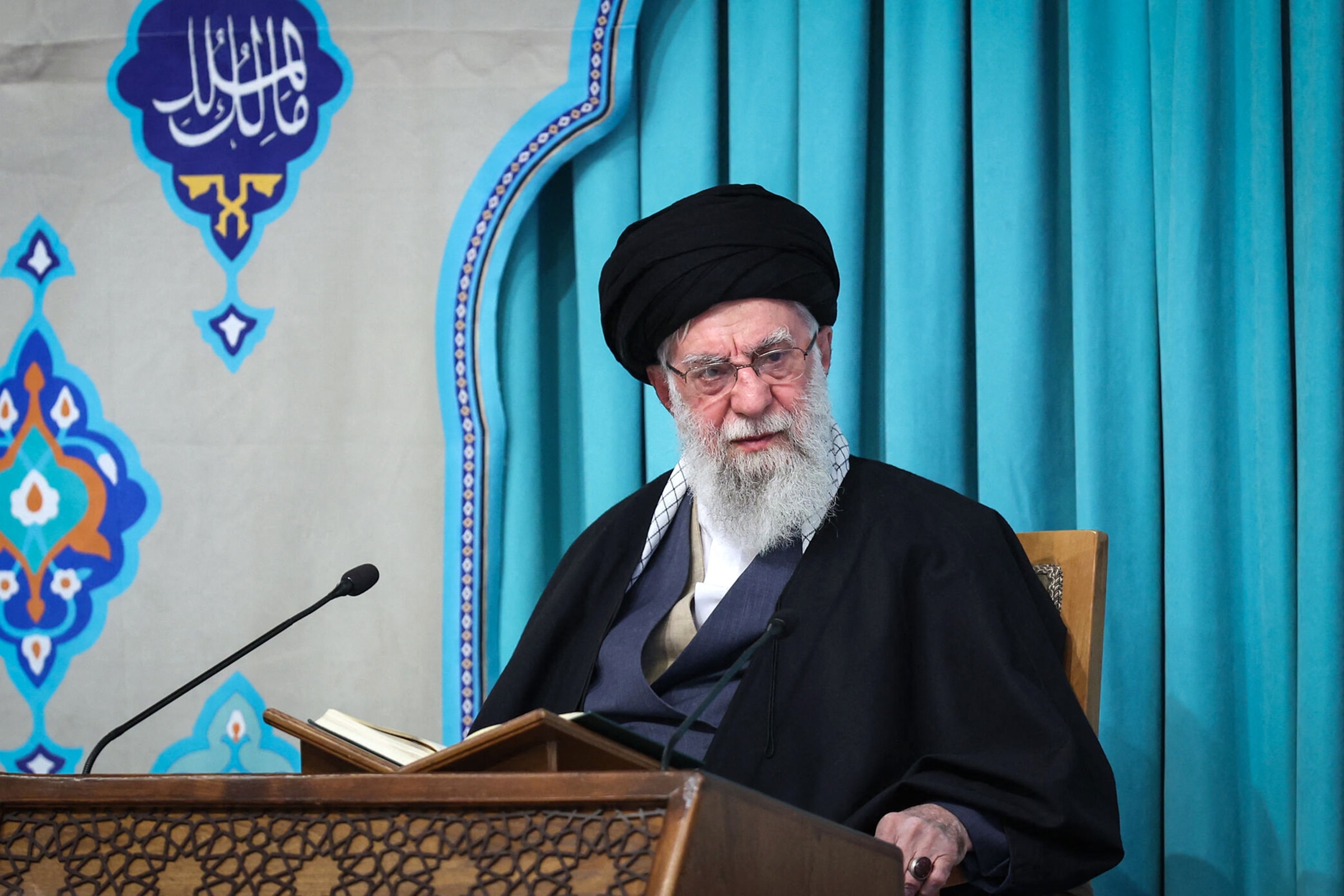
Alireza Arafi, 67:
A relatively low-profile but respected cleric, Arafi is a close confidant of Khamenei. He currently serves as vice chairman of the Assembly of Experts and is a member of the powerful Guardian Council, which vets election candidates and legislation. He also heads Iran’s seminary system. Arafi is not widely known as a heavyweight political figure and is not seen as closely aligned with security elites.
Mohammad Mehdi Mirbagheri, about 60:
A hardline cleric and member of the Assembly of Experts, Mirbagheri represents the most conservative wing of the clergy. According to IranWire, he is fiercely anti-Western and views conflict between believers and non-believers as inevitable. He heads the Academy of Islamic Sciences in the holy city of Qom in northern Iran.
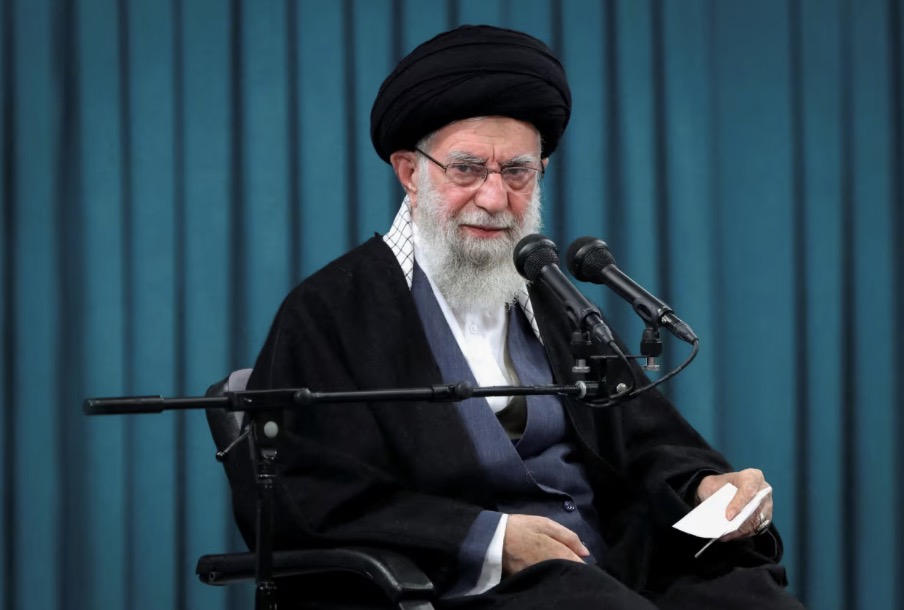
Hassan Khomeini, about 50:
The grandson of the founder of the Islamic Republic, Hassan Khomeini enjoys religious and revolutionary legitimacy. He oversees his grandfather’s mausoleum but has never held public office and appears to wield limited influence within Iran’s security establishment or ruling elite. He is widely regarded as more moderate than many of his peers.
Hashem Hosseini Bushehri, in his 60s:
A senior cleric with close ties to institutions overseeing the succession process, Bushehri serves as first deputy chairman of the Assembly of Experts. He is believed to have been close to Khamenei but maintains a low public profile and is not thought to have strong links to the IRGC.