SECOND WAVE OF EXPLOSIONS ROCKS DUBAI AS IRAN’S RETALIATION CONTINUES AFTER US–ISRAEL STRIKES
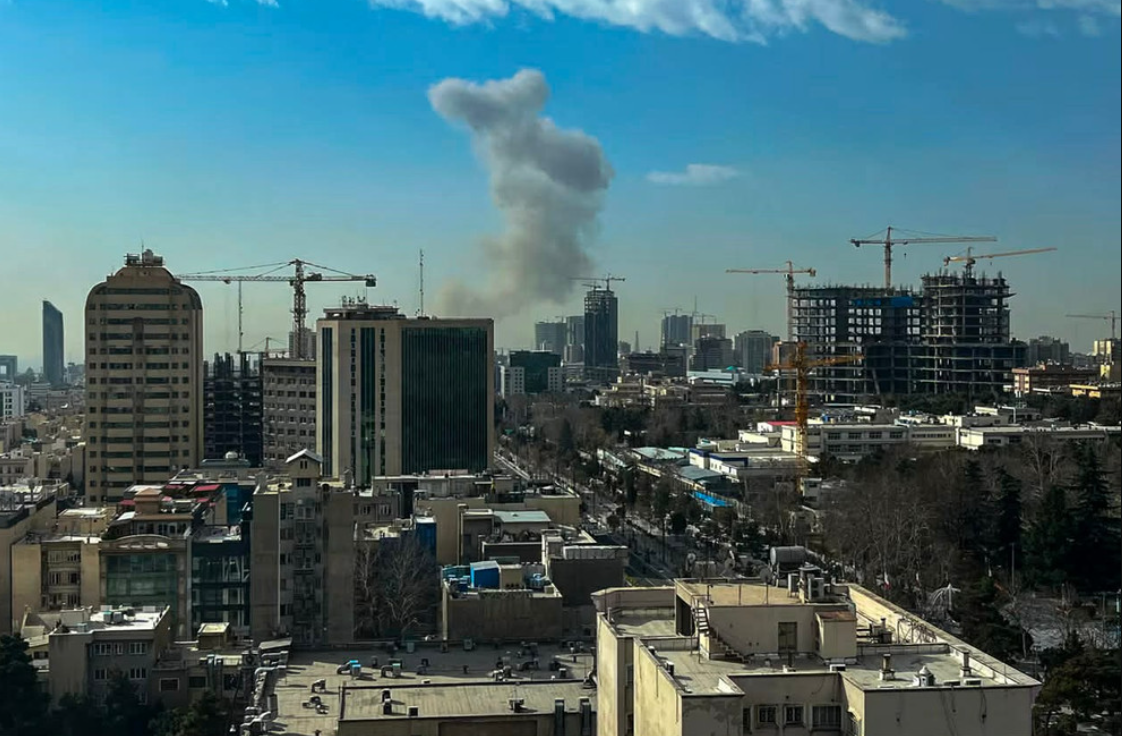
A second wave of explosions was heard across Dubai early Sunday morning, as heightened military escalation in the Middle East unfolded following retaliatory strikes by Iran against Gulf states and U.S. military targets. Witnesses and international correspondents reported loud blasts reverberating through the UAE’s commercial capital, marking another intense day in a region already on edge after the death of Iran’s Supreme Leader, Ali Khamenei, in a joint U.S.–Israeli attack.
The fresh explosions came as Iran expanded its offensive, launching missiles and drones toward cities across the Gulf—Dubai, Doha and Manama among them—in retaliation for what Tehran calls “aggression” by American and Israeli forces. 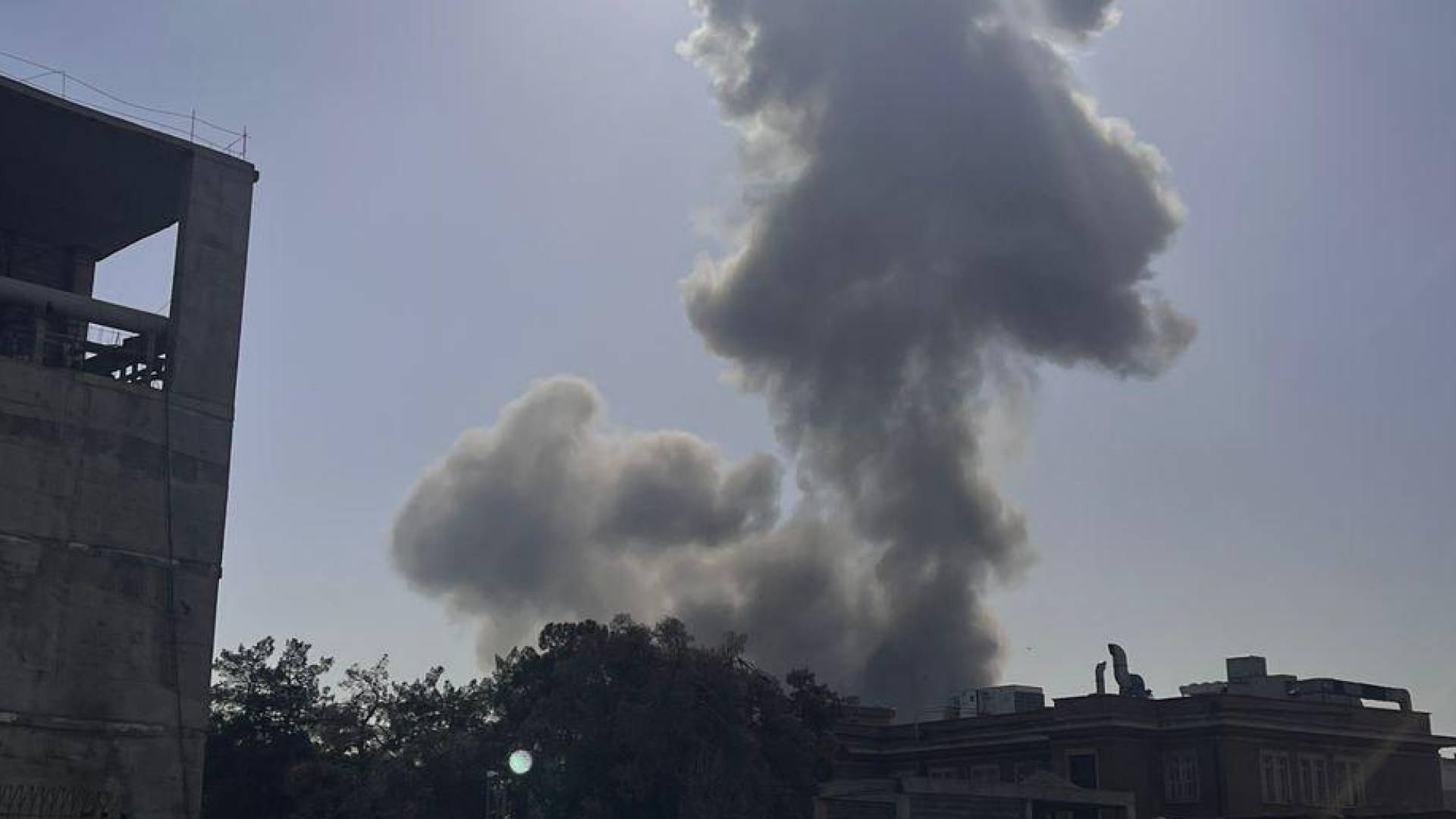 Reporters saw thick plumes of black smoke rising over urban skylines, and residents in multiple Gulf cities described hearing successive blasts from air defense intercepts and ballistic impacts in the early hours of the morning.
According to defense officials in the United Arab Emirates, its air defense systems intercepted dozens of incoming missiles and drones, though some debris and intercepted fragments caused fires and explosions near major infrastructure sites such as Jebel Ali Port and surrounding commercial areas. Authorities temporarily closed parts of the UAE’s airspace and suspended flights as precautionary measures for civilian safety.
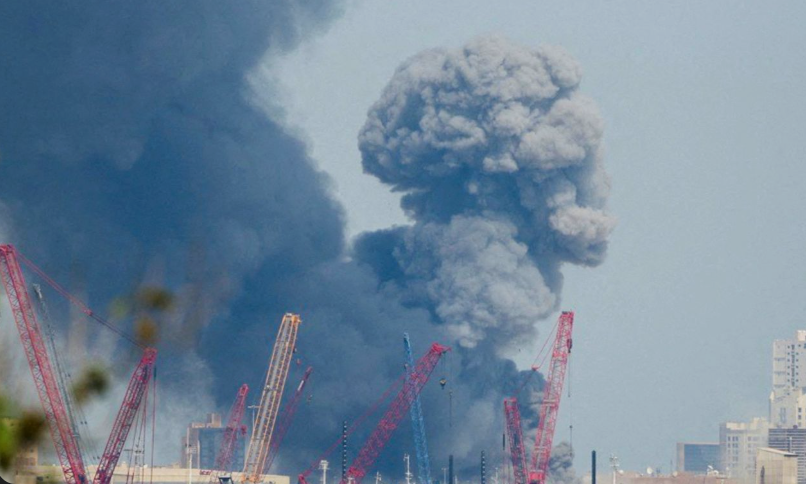 The renewed explosions marked a continuation of a dramatic escalation that began after Iran vowed to retaliate for the killing of its Supreme Leader in a high-profile strike that also killed other senior Iranian officials. Sunday’s blasts came after a full day of offensive operations that included Iranian missiles fired toward U.S. bases in Gulf states and targets inside Qatar and Bahrain, as well as across parts of Kuwait and beyond.
Across the region, tensions remain exceedingly high. Air raid sirens sounded in several capitals, and residents were urged to seek shelter while governments scrambled to respond to unfolding threats. The scale of the retaliation and the spread of explosions in urban centers underscore how rapidly the situation has deteriorated since the initial strikes, raising concerns about broader regional conflict and long-term instability.