Oil Prices Surge on Fears of Supply Disruptions Through the Strait of Hormuz
- ThanhThuong
- March 2, 2026
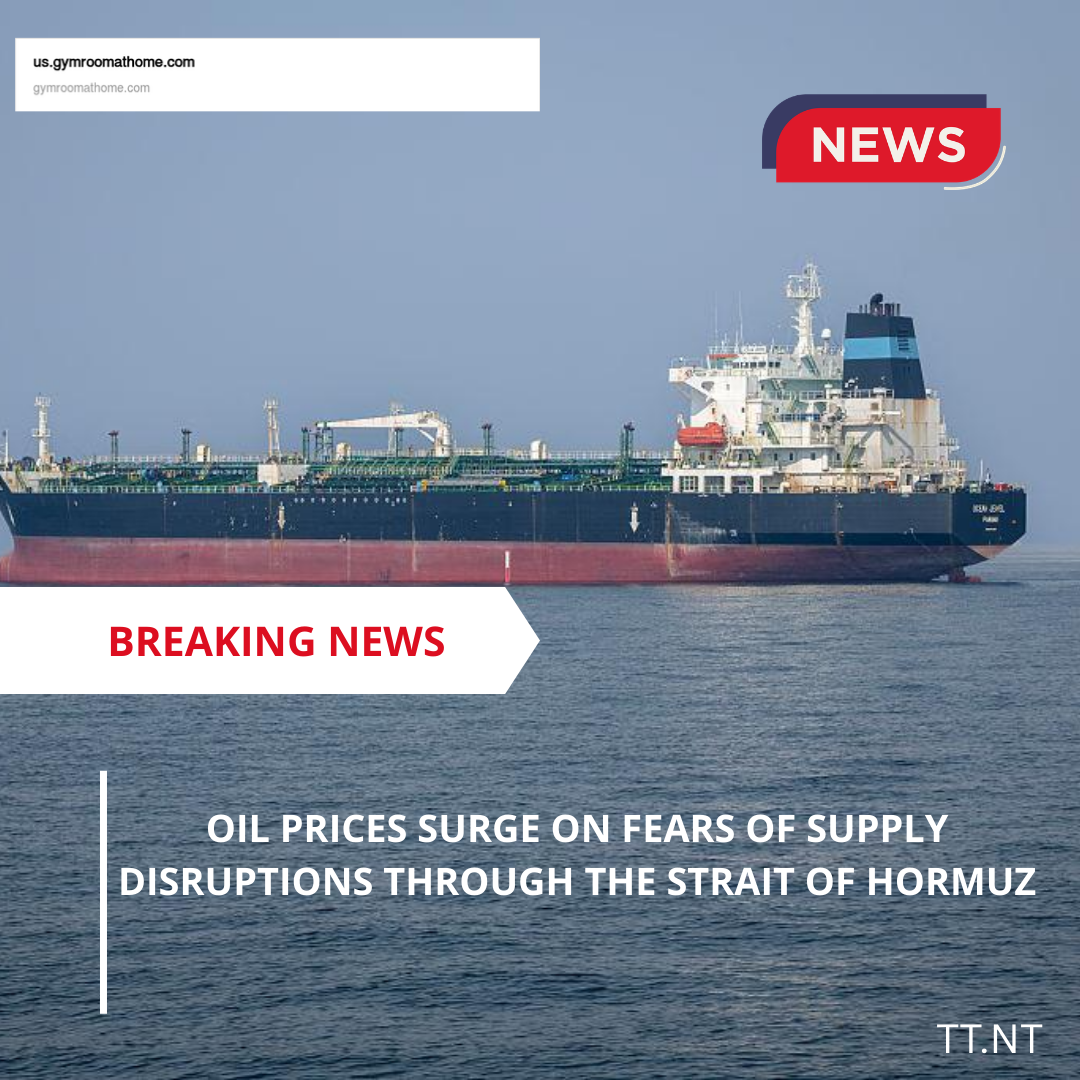
Global oil prices jumped sharply as mounting tensions in the Middle East fueled concerns about potential supply disruptions through the strategically vital Strait of Hormuz.
Brent crude and West Texas Intermediate (WTI) both recorded strong gains in early trading, reflecting heightened anxiety among investors and energy traders. The Strait of Hormuz, a narrow waterway linking the Persian Gulf to the Arabian Sea, serves as a crucial transit route for nearly 20% of the world’s oil supply. Any instability in this corridor can have immediate and far-reaching consequences for global energy markets.

Several major oil-exporting nations — including Saudi Arabia, Iraq, the United Arab Emirates, and Kuwait — depend heavily on this route to transport crude oil to international buyers. Analysts warn that even the threat of restricted access or military escalation in the area is enough to trigger significant price volatility.
Shipping companies operating in the region have reportedly stepped up security precautions, while insurance premiums for tankers transiting the strait are under review due to rising geopolitical risks. Market participants are closely monitoring developments, as further escalation could lead to prolonged supply bottlenecks.
Energy experts caution that sustained disruption in the Strait of Hormuz could drive oil prices substantially higher, increasing global fuel costs and adding fresh inflationary pressure at a time when many economies are still grappling with economic uncertainty.
As diplomatic efforts continue, financial markets remain sensitive to headlines from the region, underscoring the Strait of Hormuz’s enduring role as one of the world’s most strategically important energy chokepoints.