Iran FM Says Regime Change Is Impossible After U.S.–Israeli Strikes
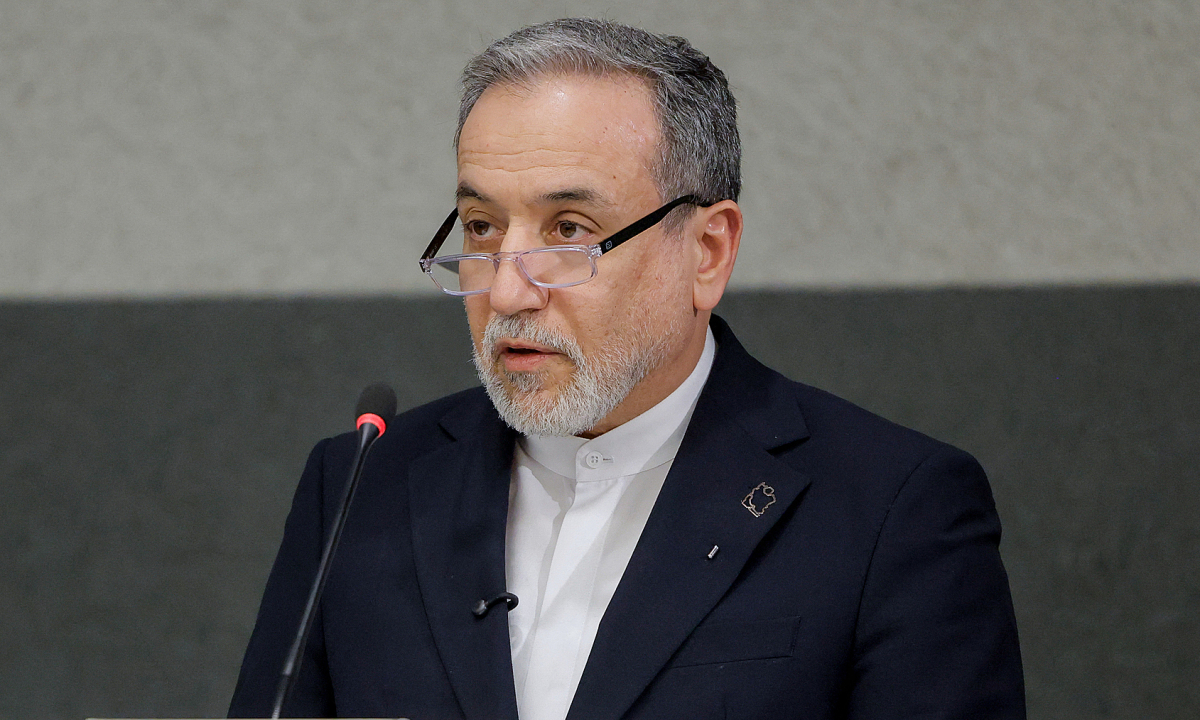
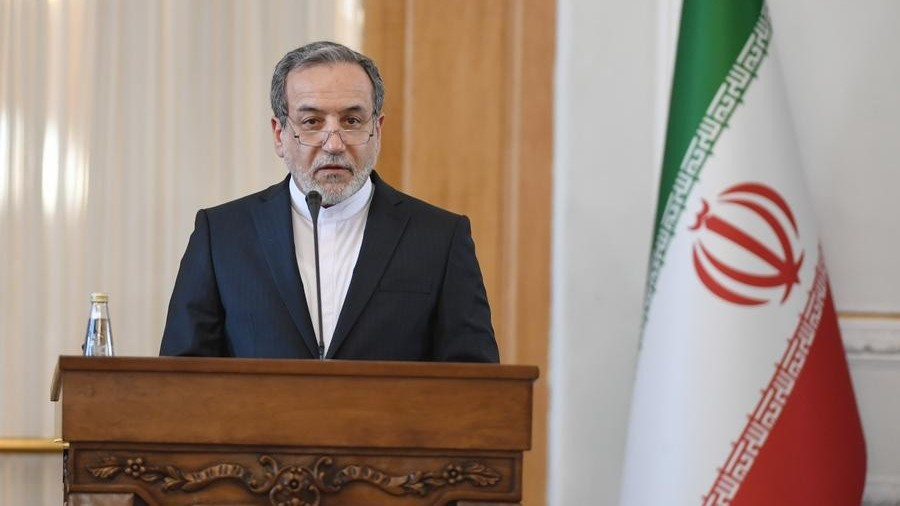
Hours after the United States and Israel launched a major assault on Iran, Iran’s foreign minister Abbas Araghchi said he could not understand why, as negotiations were making progress, “they decided to attack us,” adding that it was impossible to change the system “when millions of people support the so-called regime.”
The U.S. network NBC News reported that on February 24, an Iranian negotiating team met U.S. envoys Steve Witkoff and Jared Kushner in Geneva. However, in the early hours of February 28, the United States and Israel launched a large-scale attack on Iran.
Speaking to NBC News just hours after the strikes—and after U.S. President Donald Trump urged Iranians to overthrow their leaders—Araghchi said regime change in Iran was “an impossible mission.”
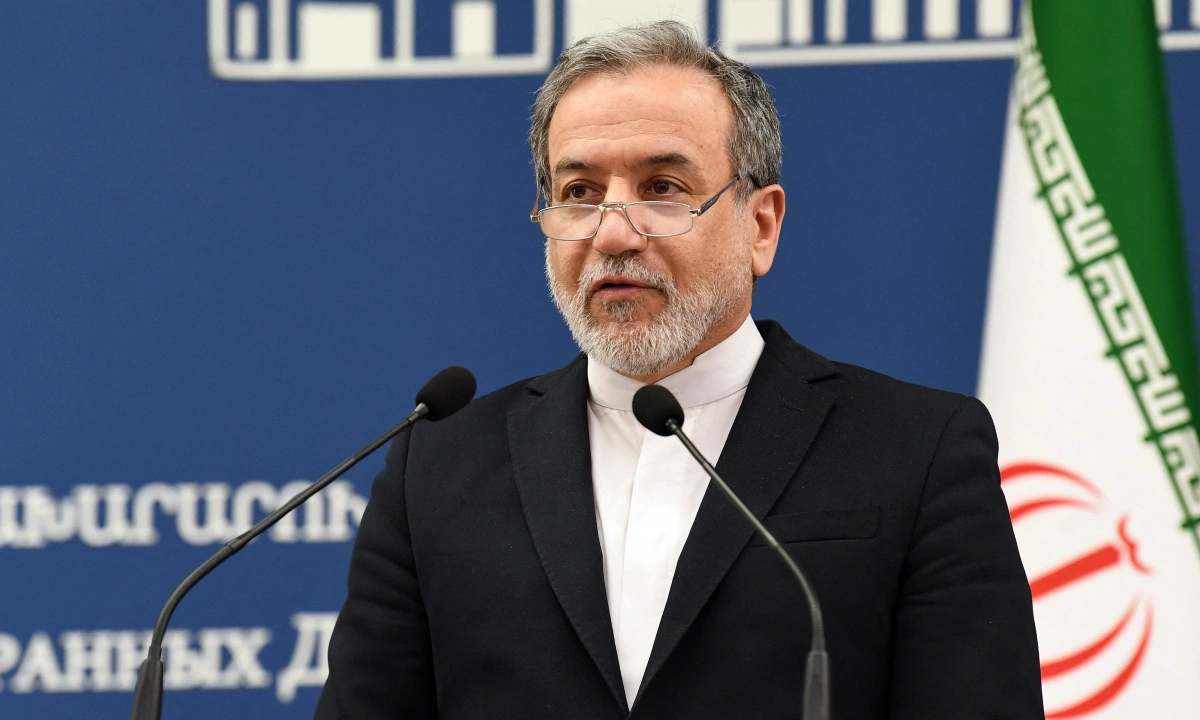
“You cannot change a system when millions of people support that system,” he said in an interview from Tehran.
Earlier on February 24, Araghchi said the Iranian delegation had been engaging U.S. envoys in Geneva to avert a potential military attack and that “a deal was within reach.”
“We were able to address serious questions regarding Iran’s nuclear program. Clearly, we had differences, but we resolved some of them and decided to continue addressing the remaining issues,” he said, adding that he did not understand why, as talks were progressing, “they decided to attack us.”
Araghchi also said several senior Iranian officials had survived, including President Masoud Pezeshkian, the chief justice, and the speaker of parliament, while two military commanders were killed.
He added that, “to my knowledge,” Iran’s Supreme Leader Ali Khamenei was still alive, although President Trump later said Khamenei had been killed—claims Iran has not confirmed. In a phone interview with NBC News, Trump said he believed reports of Khamenei’s death were “accurate.” Meanwhile, Iran’s Tasnim News Agency and Mehr News Agency reported that the Supreme Leader remained “steadfast and firmly in command of the battlefield.”
The airstrikes took place during the holy month of Ramadan, just weeks after a U.S. operation that captured Venezuelan President Nicolás Maduro and First Lady Cilia Flores, bringing them to New York for trial. It also marked the second time in eight months that the Trump administration used military force against Iran.
In a video announcing “major combat operations,” Trump called on Iranians to “take over your government” once the U.S. campaign ends. “It will belong to you. This may be the only chance in generations,” he said. Israeli Prime Minister Benjamin Netanyahu echoed the message, saying the campaign would “create the conditions for the Iranian people to bravely take their destiny into their own hands.”
Araghchi rejected the notion that regime change could be incited, arguing that the Iranian government “has popular support.”
“It’s true that some people complain, but there are also strong supporters of the system. And we have a very solid political structure,” he said, noting that the U.S. and others had tried—and failed—before, adding that repeating a failed experiment “will not produce better results.”
He said there was currently “no contact” with Washington, but Tehran was interested in de-escalation and open to dialogue once joint U.S.–Israeli airstrikes stop.
“Iran is certainly interested in reducing tensions,” he said, adding that U.S. negotiators could reach out if they wished to resume talks.
“This is a war chosen by the United States, and they will pay the price for it. But on our side, we do not want war,” Araghchi said.
Rejecting Trump’s State of the Union claim that Iran was developing missiles capable of striking the United States, Araghchi said Iran had no such intention and had voluntarily limited the range of its missiles.
“We have no hostility toward the American people,” he said, stressing that Iran builds weapons “for self-defense against our enemies.”
He added that U.S. forces were striking Iranian civilians in their cities, “but that is not what we do.”
“We target U.S. bases, military installations in the region, and military facilities and infrastructure—and that is purely an act of self-defense,” he said.
Araghchi also cited what Iran described as a deadly airstrike on a school in the southern city of Minab, where local officials said dozens were killed. In an earlier post on X, he shared an image showing dozens of people standing around a heavily damaged building with smoke rising, saying it had been “bombed in broad daylight while packed with young schoolchildren.”