Power Vacuum in Tehran: Who Will Lead Iran After the Death of Ayatollah Khamenei?
- SaoMai
- March 2, 2026
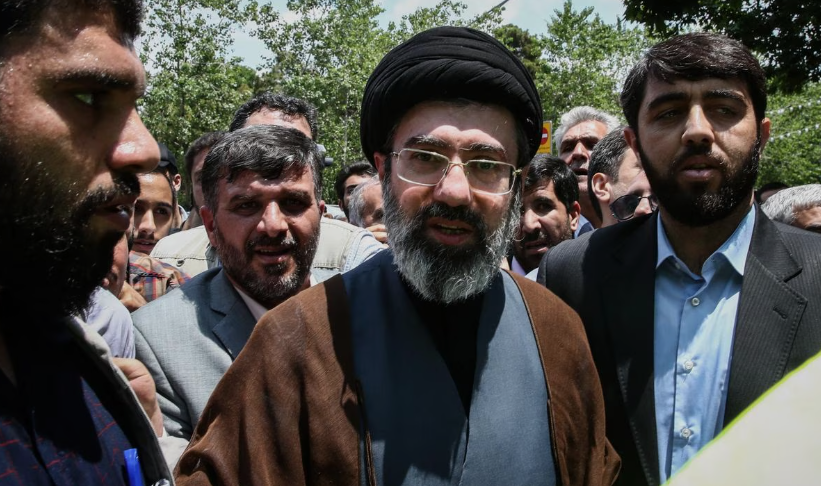
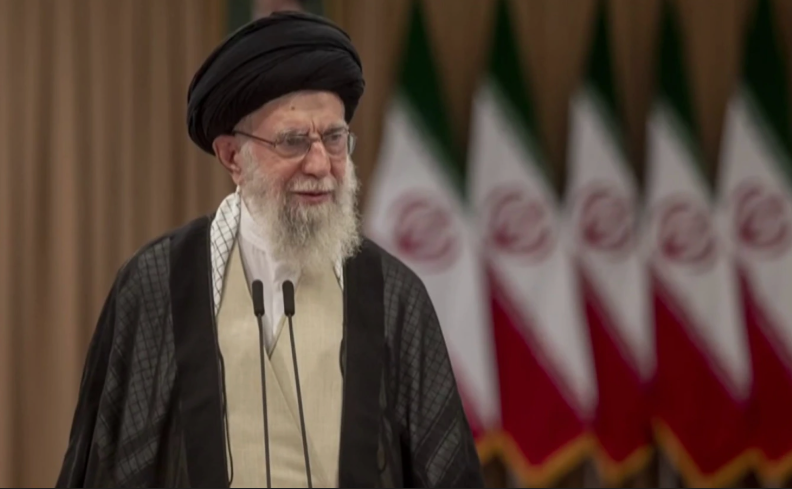
After 36 years at the apex of Iran’s political and religious system, Ali Khamenei is dead — and the Islamic Republic now faces the most consequential leadership transition in its modern history. For the first time since the 1979 revolution, Iran must confront the question of succession in the middle of active regional conflict, heightened internal tensions, and intense international scrutiny.
The Supreme Leader is not merely a symbolic figure. He is the ultimate authority over Iran’s armed forces, judiciary, state media, intelligence services, and key strategic decisions. His word shapes foreign policy, nuclear negotiations, and military doctrine. With Khamenei’s death, that centralized power has suddenly fractured, creating both uncertainty and a high-stakes struggle behind closed doors.
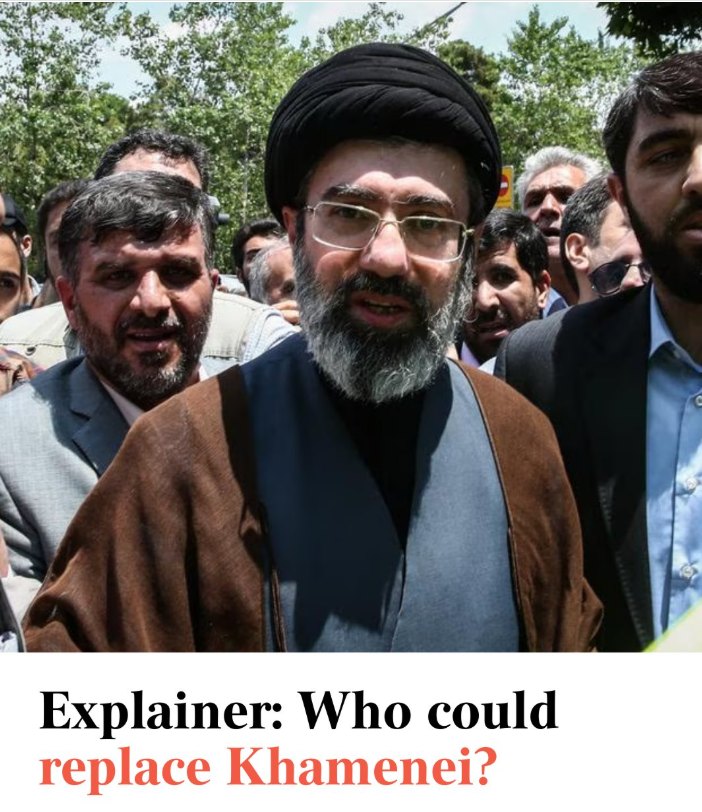 Under Iran’s constitution, the responsibility for choosing the next Supreme Leader falls to the Assembly of Experts, an 88-member clerical body elected by the public but vetted by the regime. This council has the authority to appoint — and theoretically dismiss — the Supreme Leader. In practice, however, the process is deeply influenced by powerful institutions such as the Islamic Revolutionary Guard Corps, whose political and military weight has grown substantially over the past two decades.
Until a permanent successor is chosen, Iran’s system provides for temporary arrangements to ensure continuity of governance. But wartime conditions complicate everything. Rapid decision-making is critical, particularly regarding military operations and regional strategy. Any prolonged uncertainty at the top risks sending signals of instability to both domestic audiences and foreign adversaries.
Speculation is already mounting over possible successors. Some analysts point to senior clerics within the establishment who command religious credentials and political loyalty. Others suggest that real power may increasingly tilt toward security elites, even if a cleric formally assumes the title. The name of Khamenei’s son has circulated in past discussions, though any move perceived as hereditary succession could provoke backlash within the system and among the public.
 Beyond elite maneuvering, ordinary Iranians are watching closely. Years of economic hardship, sanctions, and political unrest have left parts of society deeply dissatisfied. A leadership transition could either reinforce hardline continuity or open subtle space for recalibration — though dramatic reform remains unlikely in the immediate term.
What happens next will not only define Iran’s domestic trajectory but also reshape regional geopolitics. Allies and rivals alike are assessing whether this moment signals consolidation, fragmentation, or transformation within the Islamic Republic.
One era has ended. The question now gripping Tehran — and the world — is whether the next leader will preserve the system exactly as it stands, or steer it into an uncertain new chapter.