Dubai Turns Into a ‘Ghost City’ After Iranian Strikes
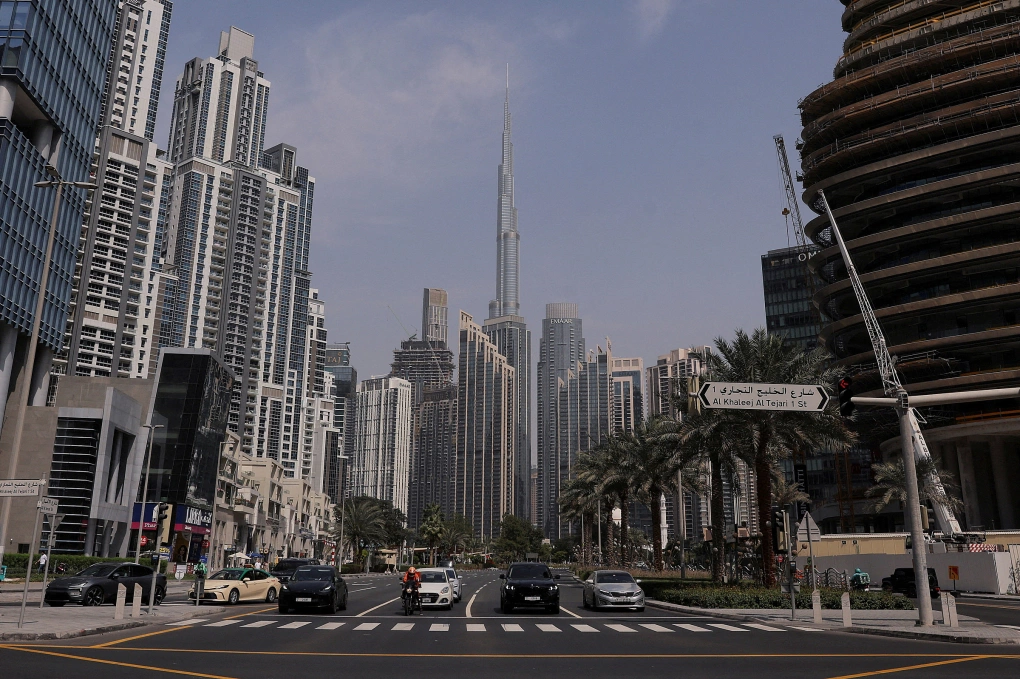
Dubai’s streets have fallen eerily quiet, highways are largely empty, and the skies are no longer filled with constant takeoffs and landings as regional tensions escalate.
Beaches, shopping malls, and hotels in Dubai, United Arab Emirates, which are usually packed on weekends during the peak tourism season, were almost unrecognizable on March 1. Major highways saw little traffic, aircraft were largely absent from the sky, and Dubai Marina, once bustling with yachts and seaside parties, was unusually silent.
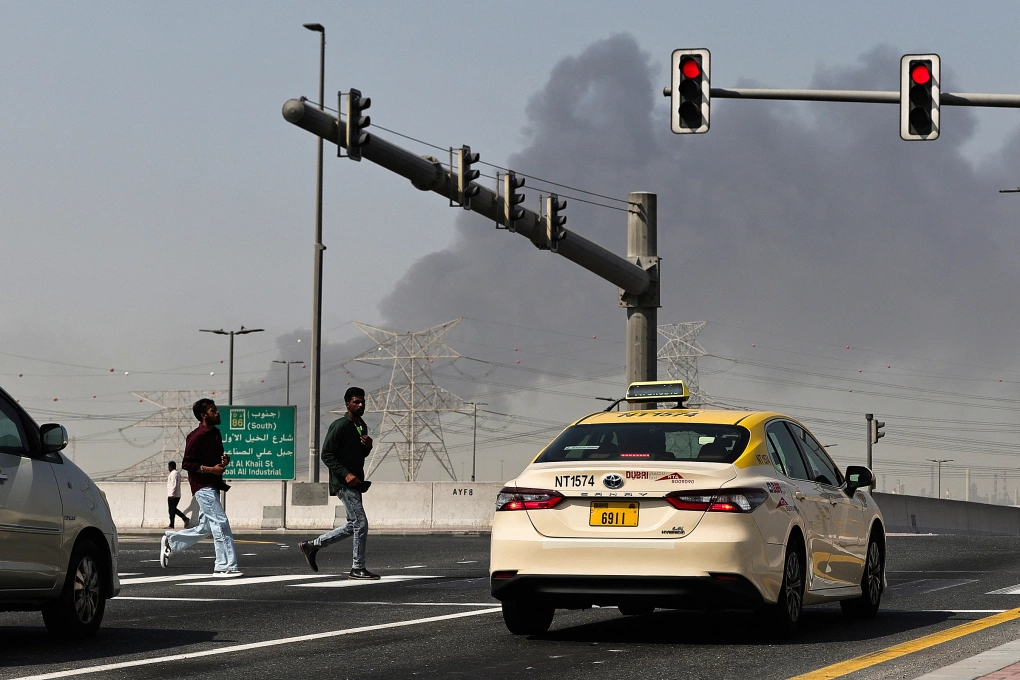
This prompted CNN to describe Dubai as a “ghost city.” For many residents, the scene evoked memories of the COVID-19 lockdowns six years ago, when one of the world’s busiest transit hubs suddenly fell still. Schools once again shifted to online learning, and residents stayed indoors.
“It feels like the COVID days again. Sunny, quiet, birds chirping, no traffic or planes,” said Paul Devitt, a CNN cameraman.
Some residents rushed to supermarkets to stock up on essentials, while food delivery apps reported delays due to surging demand. In neighborhoods that typically remain crowded late into the night, streets were left completely deserted.
After the UAE closed its airspace, some people drove to quieter areas within the country. In Hatta, near the border with Oman, at least one hotel converted its conference rooms into temporary shelters for travelers who had checked out but were unable to return home. Newly arrived guests said they were moving their families away from areas in Dubai that had come under attack.
Many residents crossed into Oman by road, as it was initially the only country in the region unaffected by Iran’s retaliatory strikes on February 28. However, by March 1, Omani authorities reported that two drones had targeted a port in the country.
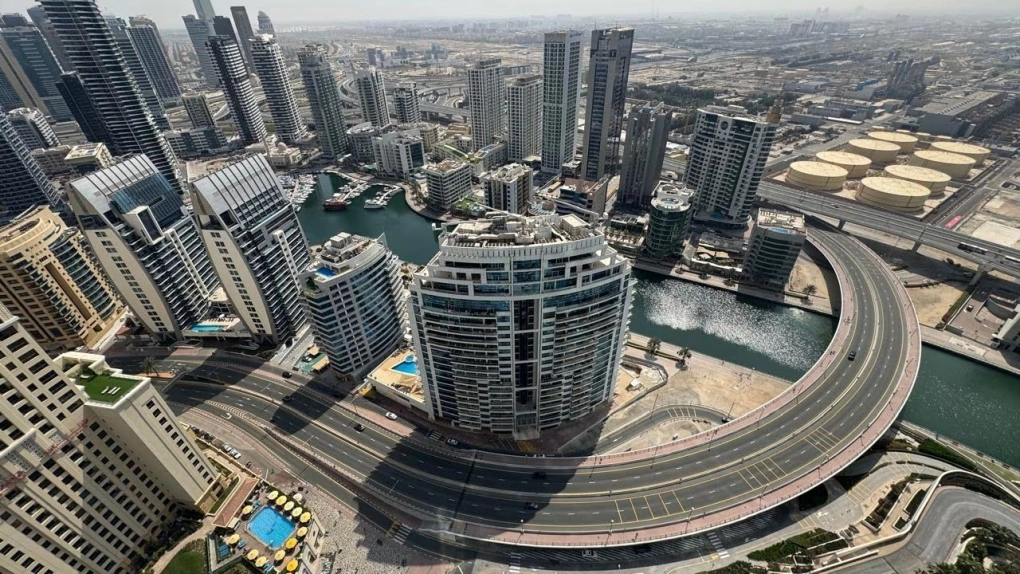
Dubai, a city that prides itself on safety and stability, has no public bomb shelters. Many residents spent the night of February 28 in underground parking garages. Parents tried to shield their children as explosions echoed overhead, with some telling them the sounds were fireworks for the holy month of Ramadan.
Early on February 28, the United States and Israel launched a coordinated strike on Iran, targeting defense and intelligence facilities as well as senior officials and military commanders. Sources said the operation had been jointly planned by Washington and Tel Aviv for months.
Iran quickly announced retaliatory operations against Israeli territory and multiple U.S. bases across the Middle East, causing significant infrastructure damage. Tehran insisted its targets were U.S. forces, not neighboring countries.