Buried Brilliance: Archaeologists Uncover Lost Copper Technology in Swansea’s Industrial Heartland
- SaoMai
- March 2, 2026
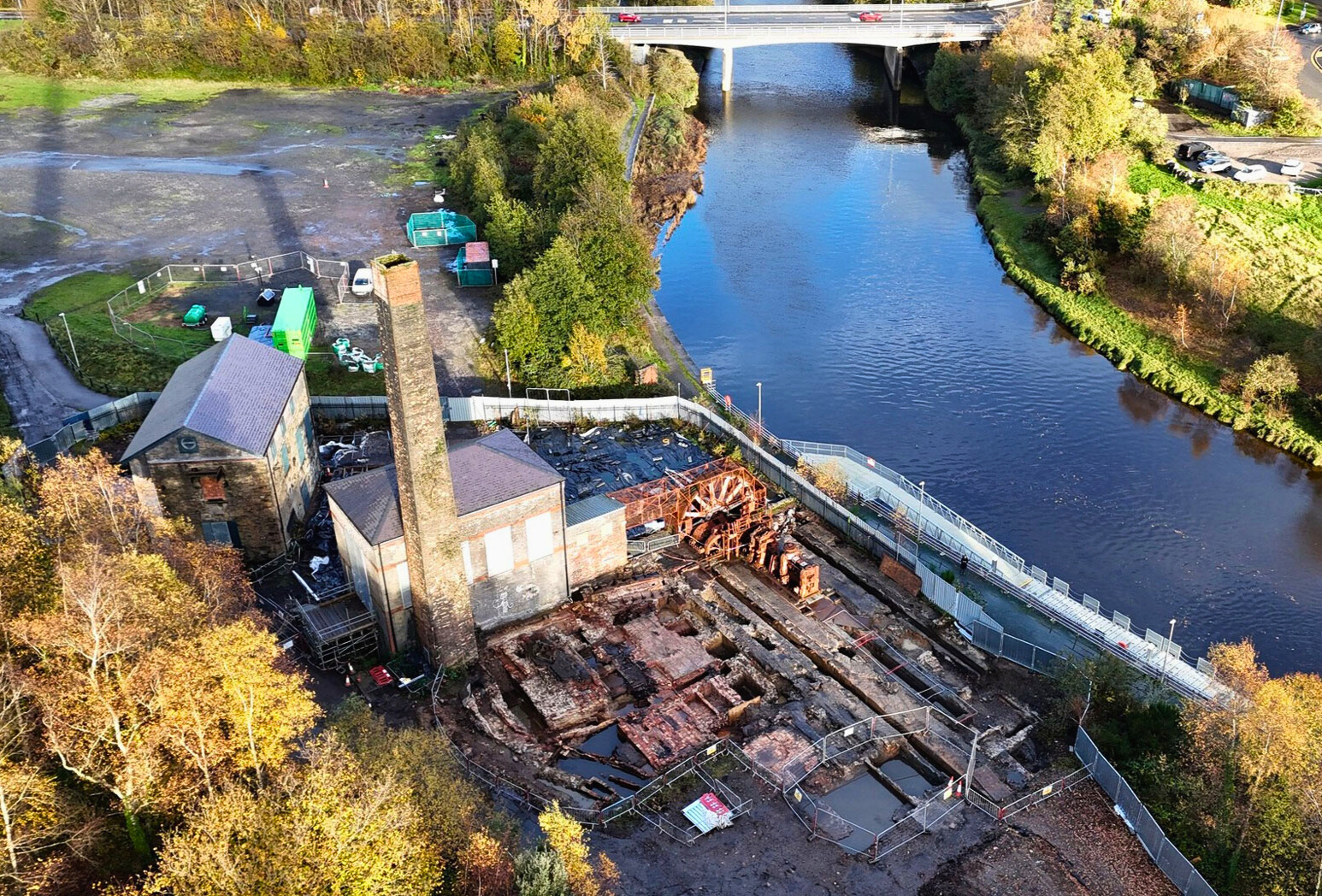
In the nineteenth and early twentieth centuries, the Welsh city of Swansea stood at the very center of the global copper trade. Known as “Copperopolis,” it was once among the world’s leading producers of refined copper, its skyline defined by smokestacks and furnaces that powered the Industrial Revolution. Now, more than a century later, that industrial legacy is stepping back into the spotlight — thanks to remarkable new discoveries by archaeologists.
At the historic Hafod-Morfa Copperworks, researchers have uncovered a series of long-forgotten technological features that are reshaping our understanding of how copper was processed during Britain’s industrial peak. Beneath layers of earth and debris, excavation teams have revealed intricate copper-rolling mechanisms, balancing gear systems, furnaces, flues, and structural elements that once formed the beating heart of a vast metallurgical operation.
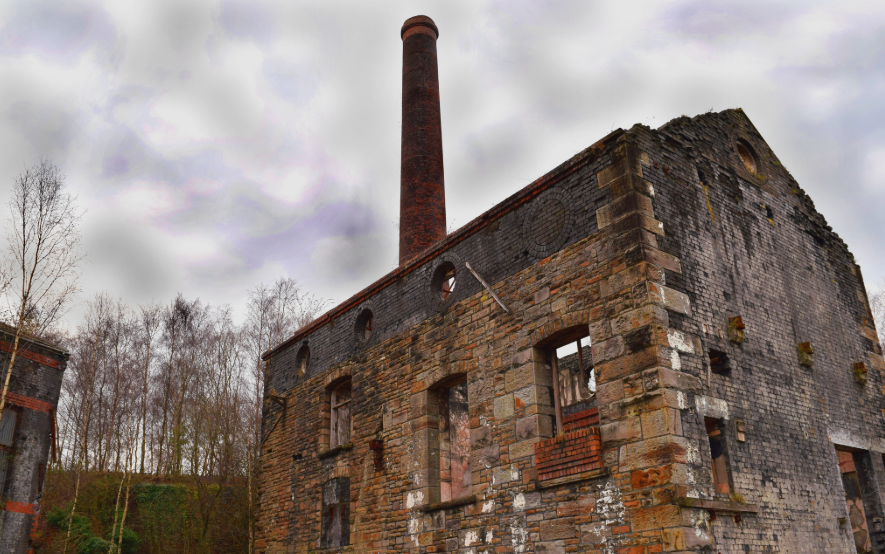 These aren’t just fragments of old machinery — they are tangible evidence of the engineering ingenuity that helped fuel global industry. Copper from Swansea was exported across continents, used in shipbuilding, electrical wiring, coinage, and construction. The newly unearthed rolling technology, in particular, highlights how metal sheets were precisely flattened and shaped, a process essential to producing high-quality industrial materials. The discovery of balancing gears suggests a sophisticated mechanical system designed to distribute weight and maintain efficiency in heavy machinery — a testament to the advanced industrial design of the era.
The furnaces and flue systems also offer rare insight into the scale and intensity of copper smelting operations. These structures once channeled immense heat and toxic gases, forming part of a complex network that allowed Swansea’s copperworks to dominate the global market. For historians, the findings provide physical confirmation of techniques previously known only through archival records and illustrations.
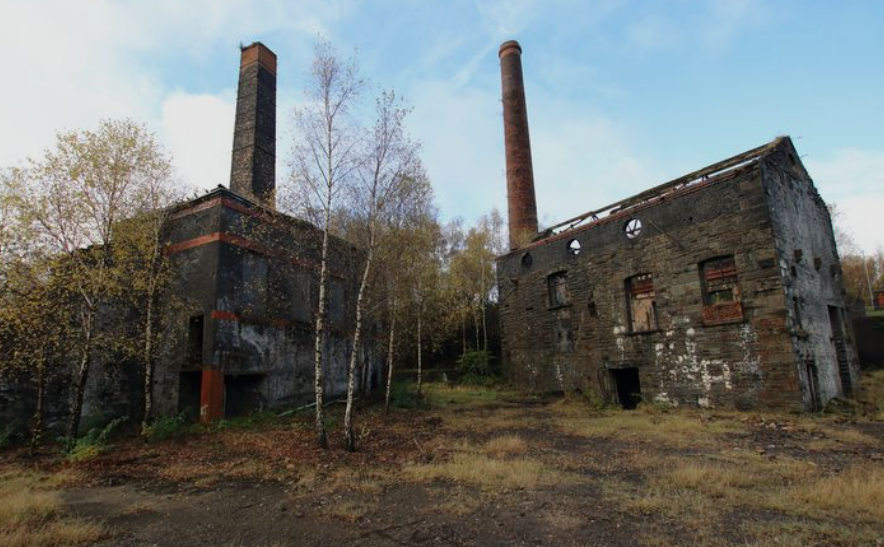 Beyond the technical details, the excavation reconnects modern Swansea with a defining chapter of its identity. The copper industry shaped the city’s economy, architecture, and working-class communities for generations. Though the furnaces eventually cooled and production declined, the impact of that era remains embedded in the landscape.
Today, as archaeologists carefully document and preserve these discoveries, the Hafod-Morfa site is transforming into more than a relic — it is becoming a living classroom. Each exposed gear and brick-lined flue tells a story of innovation, labor, and ambition.
Swansea’s industrial glory once powered the modern world. Now, piece by piece, that extraordinary past is being brought back into view — reminding us that beneath quiet ground often lie the engines that once changed history.