The Secret of the Eleusinian Mysteries? New Clues Point to a Sacred Hallucinogen
- SaoMai
- March 2, 2026
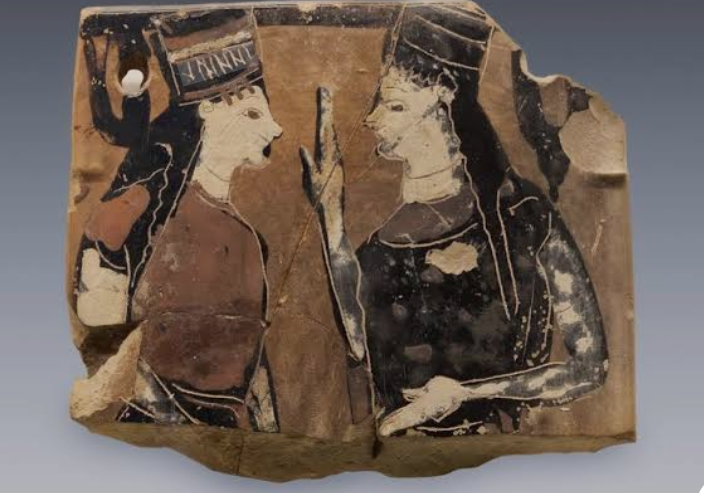
For nearly two thousand years, the Eleusis sanctuary guarded one of antiquity’s greatest religious secrets. The Eleusinian Mysteries were so sacred that initiates swore never to reveal what they witnessed. And remarkably, they kept that oath. Even today, historians know only fragments of what occurred inside the Telesterion, the great initiation hall where the rites unfolded.
Each year, thousands of ancient Greeks — from common citizens to philosophers and statesmen — journeyed to Eleusis to reenact the myth of Demeter and her daughter Persephone. According to legend, Persephone was abducted into the underworld, and Demeter’s grief plunged the earth into famine. Only when Persephone was allowed to return for part of the year did the crops grow again. The Mysteries symbolized death and rebirth — not just of grain, but of the human soul.
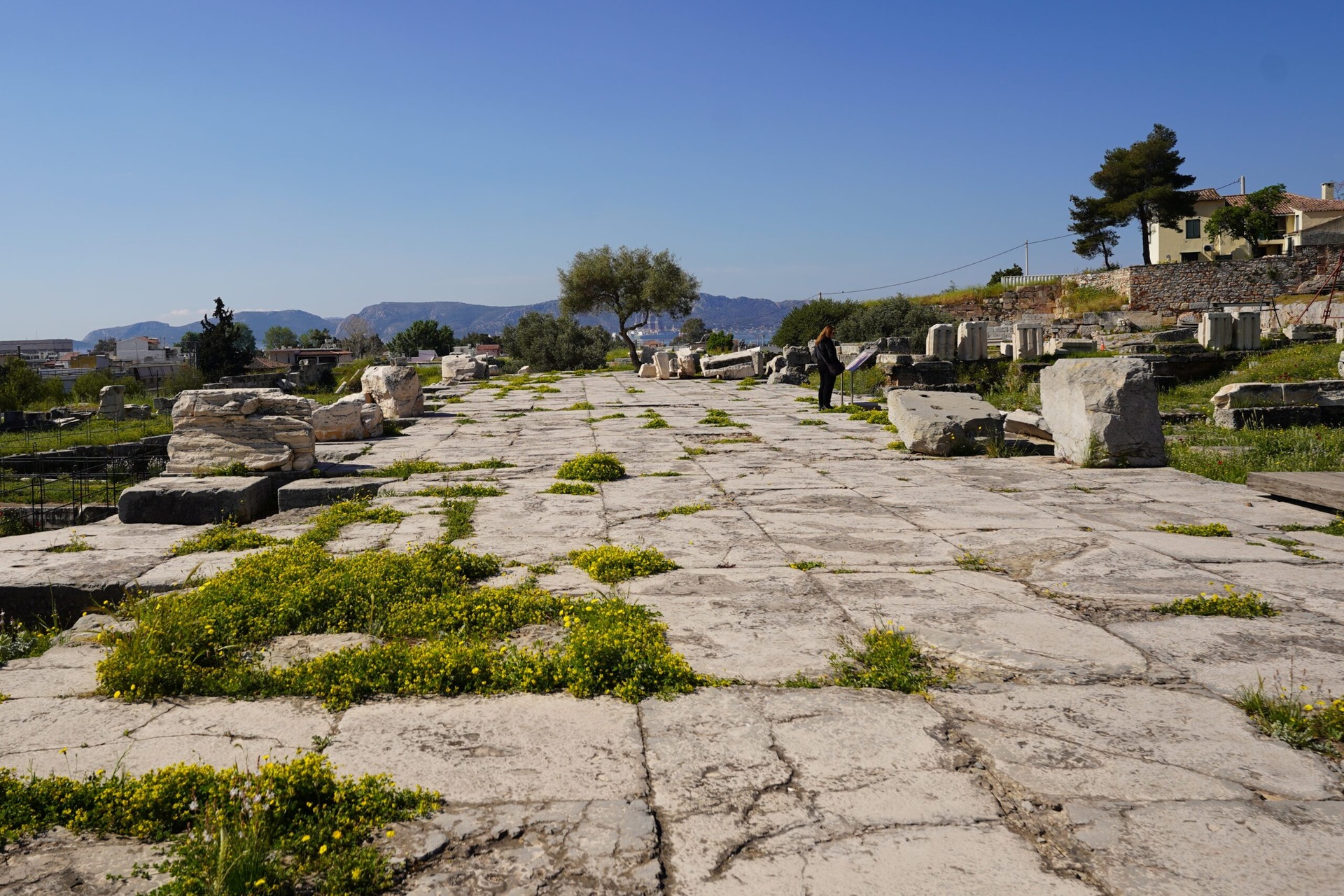 Central to the ritual was a sacred drink known as kykeon, consumed during the initiation ceremony. Ancient texts describe it as a simple mixture of barley and water, sometimes flavored with mint. But many scholars have long suspected there was more to it. Initiates reported profound, life-altering visions — experiences so powerful that participants claimed they no longer feared death afterward.
Now, new archaeological research at a temple site in Spain has reignited debate. Scientists analyzing residues and agricultural remains have found evidence suggesting the presence of ergot — a hallucinogenic fungus that infects barley. Ergot contains compounds chemically related to LSD and is known to induce vivid hallucinations, altered perception, and intense spiritual experiences when consumed in controlled amounts.
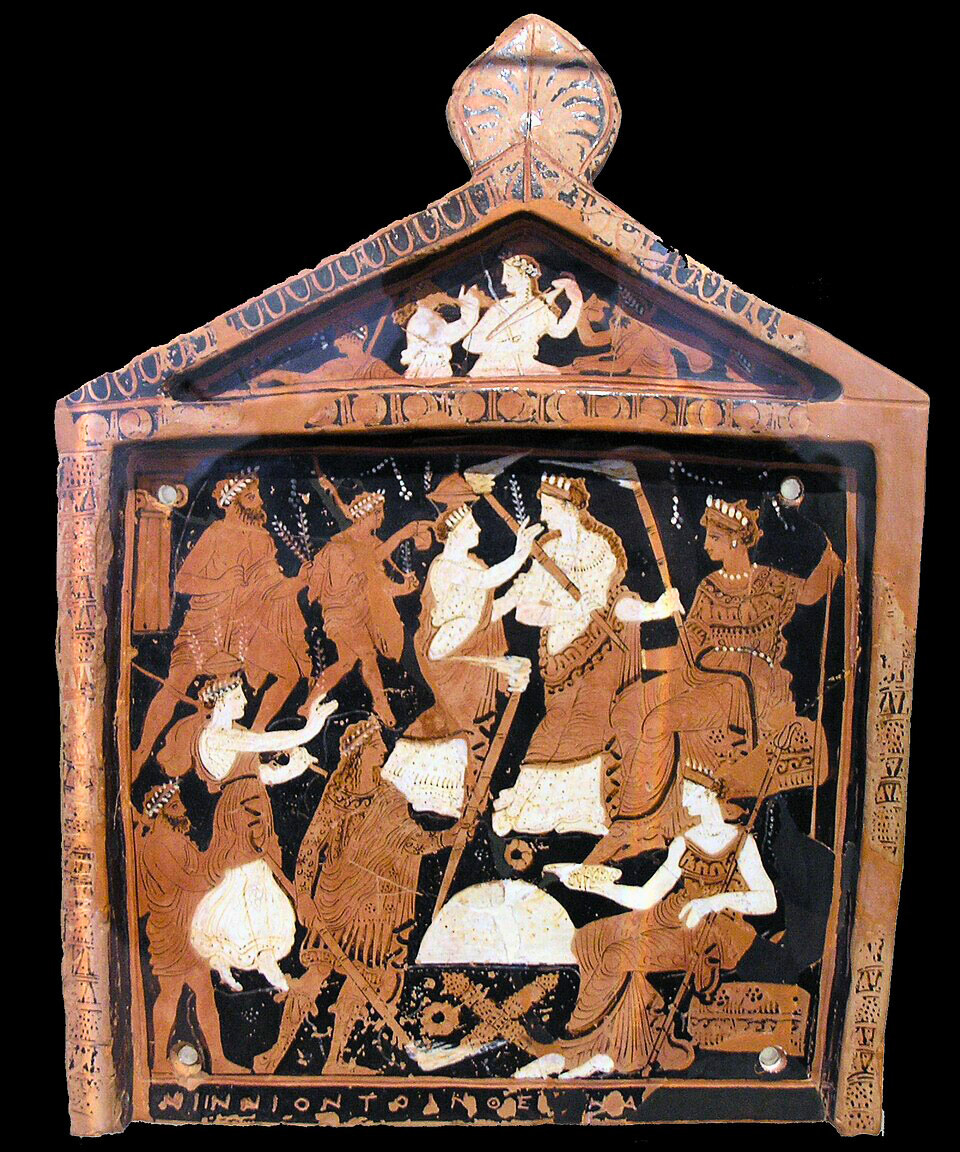 If the kykeon used in the Eleusinian rite contained carefully prepared ergot-infected barley, it could explain the transformative visions described by ancient writers. The ritual setting — fasting beforehand, torchlit processions, chanting, sacred drama — would have heightened the psychological and spiritual impact. In this context, the experience may have felt nothing short of divine revelation.
The idea that the Mysteries involved a psychoactive sacrament is not entirely new, but this latest research provides fresh material evidence that strengthens the theory. It suggests that the priests of Eleusis may have possessed sophisticated knowledge of agriculture and pharmacology, harnessing a natural fungus to induce controlled mystical states.
Of course, the secret is not fully solved. The rites evolved over centuries, and much remains hidden behind silence and lost documentation. Yet this new discovery offers a compelling possibility: that the profound spiritual transformation at the heart of the Eleusinian Mysteries may have been guided not only by myth and ceremony, but by a carefully prepared sacred brew capable of opening the mind to otherworldly visions.
After millennia of speculation, the ancient secret may finally be coming into focus — rooted, quite literally, in the grain of the earth itself.