Ancient DNA Reveals Brutal 3,000-Year-Old Massacre in Serbia
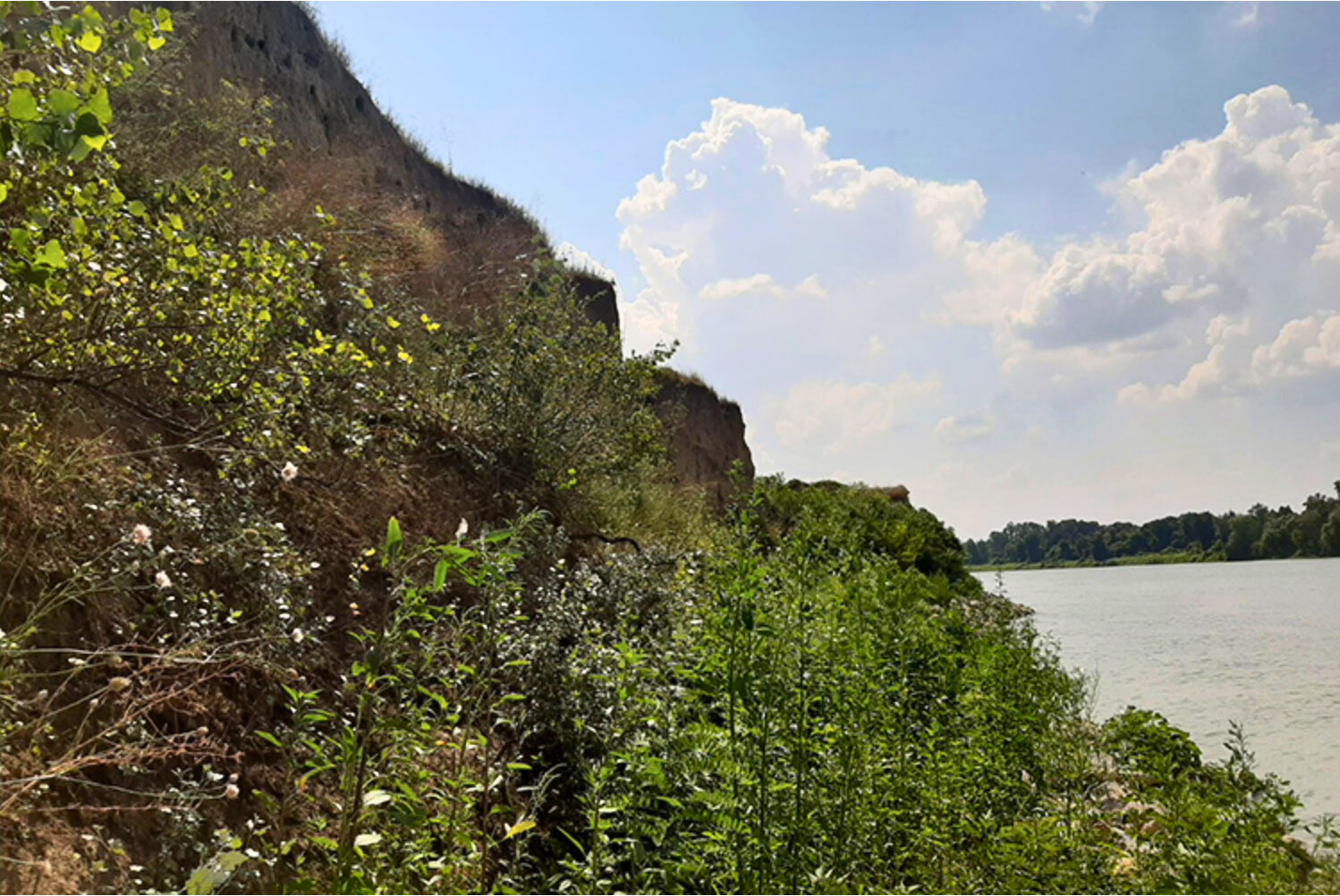
A groundbreaking genetic investigation has shed new light on a chilling episode of prehistoric violence in southeastern Europe. At the archaeological site of Gomolava, located in northern Serbia, researchers analyzing 3,000-year-old human remains have uncovered compelling evidence of what appears to have been a massacre.
The burial pit at Gomolava contained the remains of dozens of individuals, long believed to represent a catastrophic event. Now, advanced DNA sequencing has identified 77 people from the site — men, women, and children — offering an unprecedented glimpse into who they were and how they may have died. The genetic results suggest that the victims belonged to a closely connected community, likely semisedentary farmers who lived and worked together in the region during the Late Bronze Age.
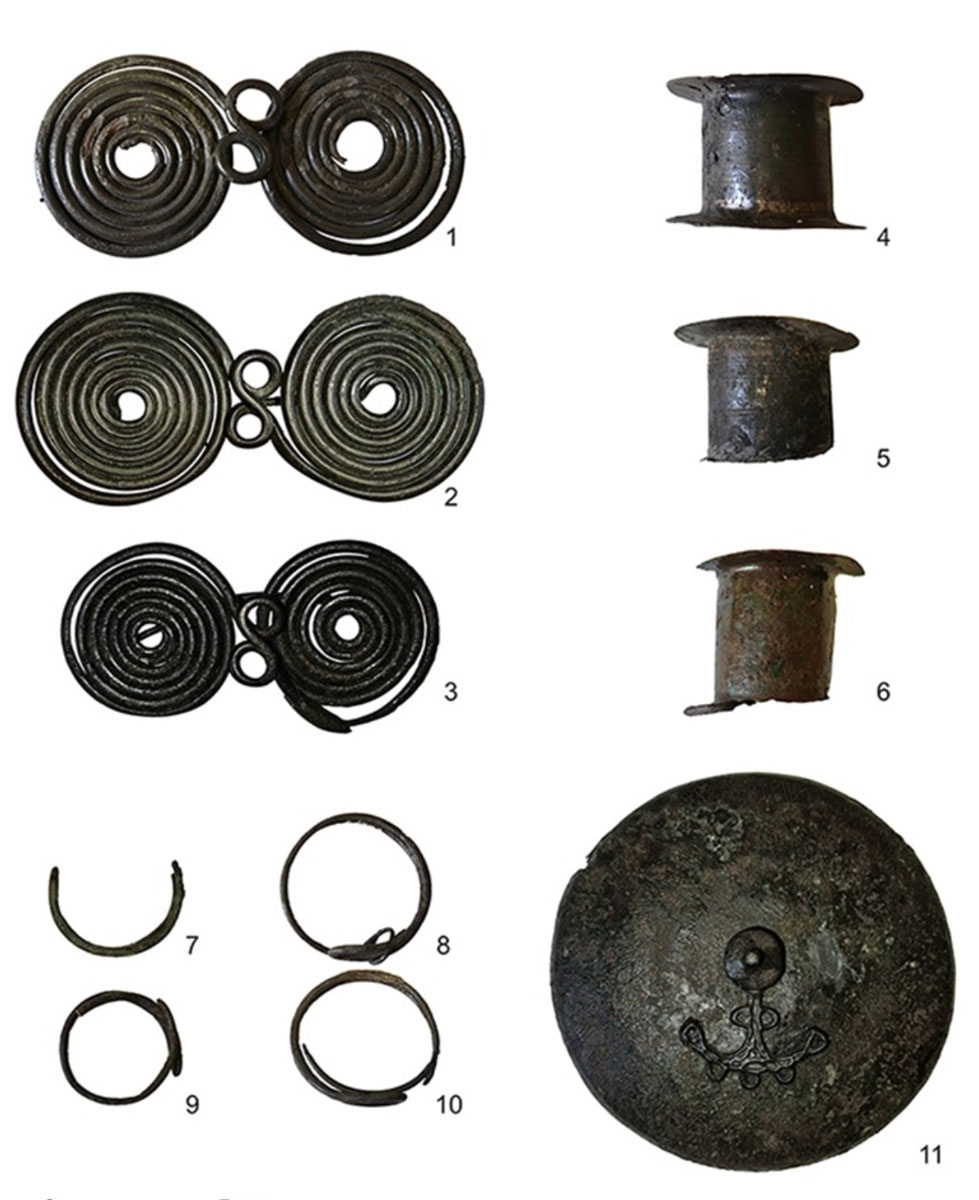 Archaeological analysis of the bones reveals patterns of trauma consistent with violent assault. Many of the skulls bear sharp and forceful injuries, particularly to the upper portions of the cranium. Researchers believe these wounds may have been inflicted by attackers striking from horseback — a tactic that would have given mounted warriors a deadly height advantage over people on foot. The positioning and severity of the blows point to organized aggression rather than isolated conflict.
Equally telling is what the burial context reveals. The bodies were interred together in a pit, rather than in carefully arranged individual graves. This suggests a rapid burial, likely following a sudden and devastating attack. There is little evidence of ritual treatment or traditional funerary customs, reinforcing the interpretation that survivors — if any remained — may have had limited time or resources to honor the dead.
 Genetic data also provide insights into the community’s origins and relationships. The victims appear to have shared close kinship ties, supporting the idea that this was a stable, locally rooted farming population rather than a transient group. Their lifestyle would have revolved around agriculture, livestock, and seasonal cycles — a relatively settled existence compared to the more mobile warrior groups that may have targeted them.
The findings contribute to a broader understanding of social instability during the Late Bronze Age, a period marked across Europe and the Near East by population shifts, technological change, and rising conflict. While mass violence is often associated with later historical eras, Gomolava demonstrates that organized, large-scale brutality was already shaping human history three millennia ago.
Through the power of modern genetics, voices long buried are beginning to speak. What once appeared to be a silent grave is now recognized as the aftermath of a violent encounter — a tragic snapshot of life, death, and upheaval in ancient Europe.