Game of Kings: Rare Mosaic Patolli Board Unearthed in Ancient Maya City
- SaoMai
- March 2, 2026
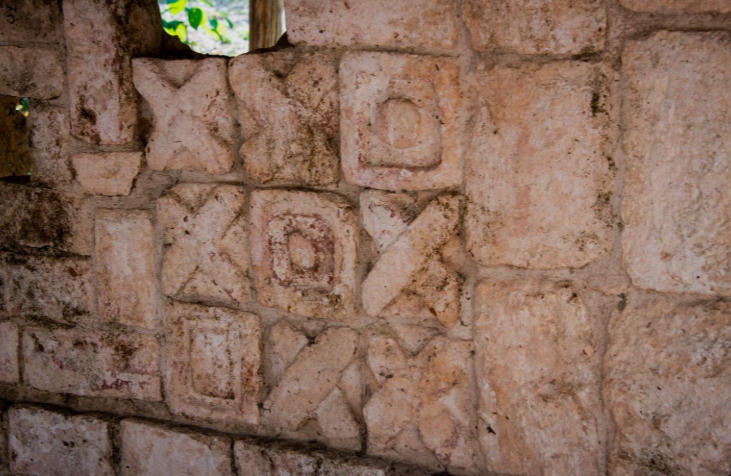
Ready, set, patolli! In the heart of the Guatemalan jungle, archaeologists have uncovered a discovery that is delighting historians and game enthusiasts alike — a fifth-century A.D. patolli board crafted not by simple scratching into stone, but inlaid as an intricate mosaic. Found inside a wealthy residence in the ancient Maya city of Naachtun, this remarkable artifact is the only one of its kind ever discovered.
Patolli, one of Mesoamerica’s most beloved and enduring board games, was widely played across the region for centuries. Archaeologists typically find its distinctive cross-shaped layout etched into floors, benches, and plazas — informal markings suggesting spontaneous matches in public and domestic spaces. But this newly unearthed example is something entirely different. Carefully embedded with stone pieces to form a permanent mosaic design, the Naachtun board signals prestige, wealth, and perhaps even ritual importance.
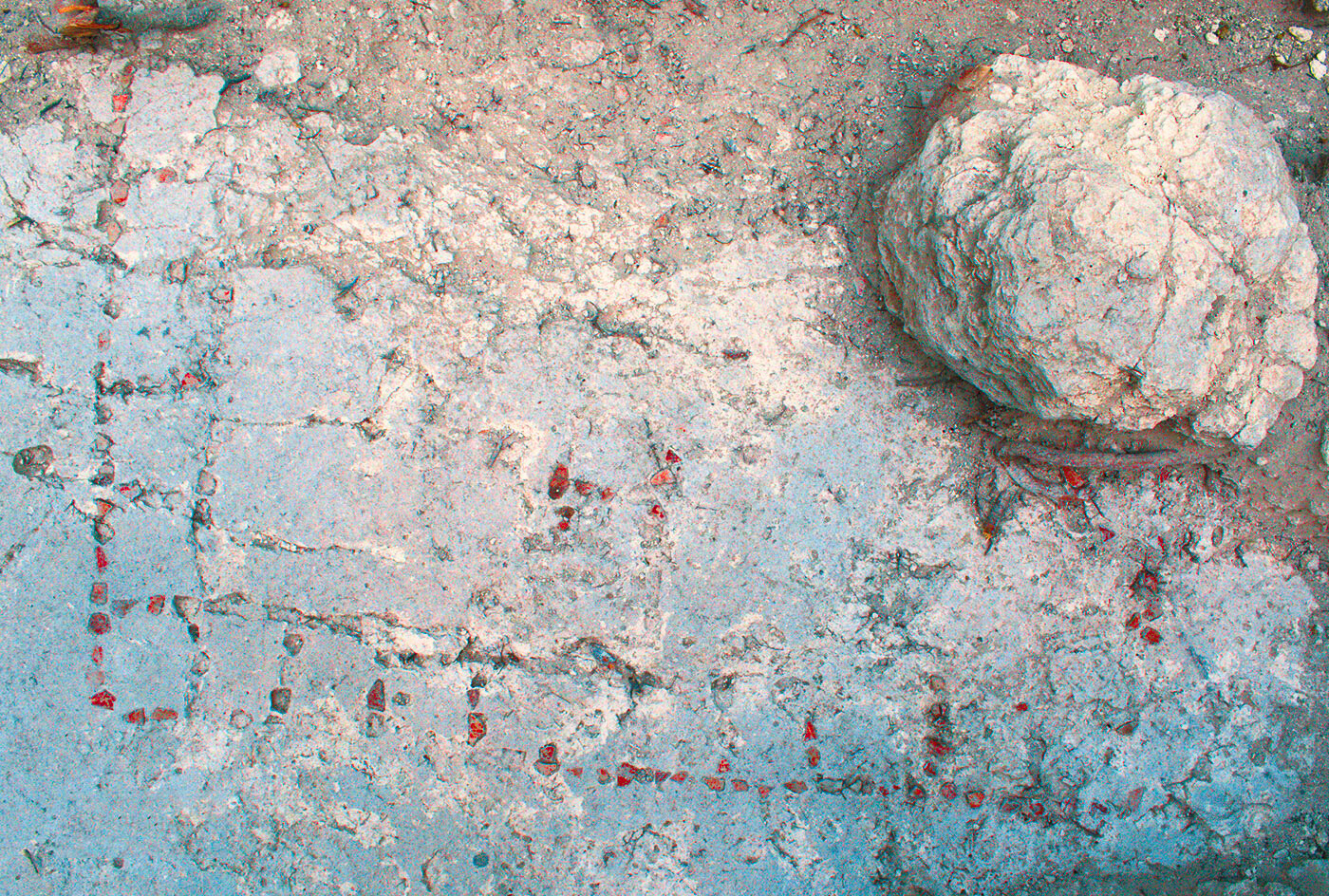 The craftsmanship alone sets it apart. Rather than being casually incised into plaster, the board was deliberately constructed as part of the architecture, integrated into the floor of an elite household. This suggests that patolli was not merely a pastime but potentially a social ritual among the upper classes — a game played in refined settings, possibly involving high stakes, symbolic meaning, or ceremonial gatherings.
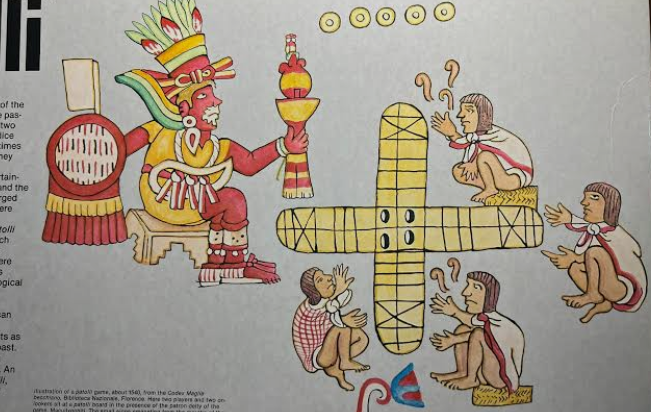
Patolli was more than entertainment. The game involved throwing marked beans or stones as dice and moving pieces along a cross-shaped path, combining strategy and chance. Some scholars believe it mirrored cosmological concepts — the four cardinal directions, the center of the universe, cycles of fate and fortune. In many Mesoamerican cultures, games were deeply intertwined with religion and worldview, blurring the line between play and sacred symbolism.
The location of the board within a prosperous residence in Naachtun adds another layer of intrigue. Naachtun itself was a significant urban center during the Classic Maya period, strategically positioned between powerful rival cities. Its elite inhabitants would have participated in complex political and cultural networks. The presence of such a unique gaming board suggests that leisure activities were also expressions of status and identity.
 What makes this discovery especially compelling is its singularity. Despite decades of excavations across the Maya region, no other mosaic-inlaid patolli board has been found. That rarity raises fascinating questions: Was this a custom commission for a powerful family? A ceremonial version reserved for special occasions? Or a regional innovation that simply did not survive elsewhere?
In a civilization renowned for monumental temples and hieroglyphic inscriptions, this small but extraordinary artifact offers an intimate glimpse into daily life — into moments of competition, laughter, risk, and ritual inside a grand Maya home. Sometimes, the past is revealed not only in towering pyramids, but in the games people played beneath their roofs.