Ancient Paw Prints Across Kingdoms: Maya Dogs Traded Hundreds of Miles, Study Finds
- SaoMai
- March 2, 2026
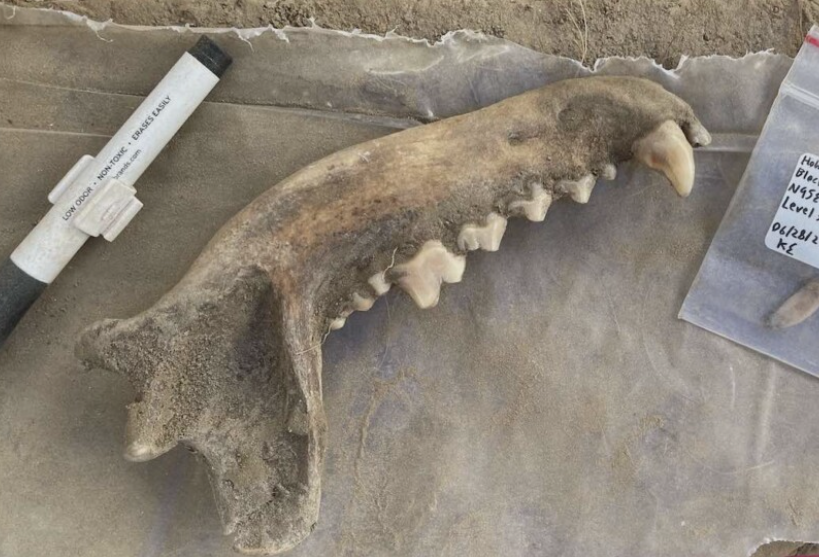
Dog archaeology just delivered a fascinating twist in the story of ancient Maya trade networks. Researchers analyzing canine remains from two highland sites in southern Mexico have discovered that these dogs were not local at all. Through isotope analysis of bones and teeth, scientists determined that the animals were originally raised in the tropical lowland kingdoms of the Maya world — and later transported across regions.
The study focused on remains excavated from highland settlements, where researchers examined chemical signatures preserved in dental enamel and bone tissue. Isotopes act like geographic fingerprints, reflecting the water and food consumed during an animal’s lifetime. The results were striking: the chemical profiles matched those typical of the Maya lowlands rather than the cooler highland environment where the dogs were buried.
 This means the animals were moved — traded, gifted, or otherwise exchanged — across political boundaries. The finding adds dogs to a growing list of goods known to have circulated between Maya kingdoms, alongside obsidian, jade, cacao, and textiles. It also reveals how interconnected these societies truly were.
Even more revealing was what the isotopes said about diet. The dogs had been fed significant amounts of maize and meat, suggesting they were not merely scavengers surviving on scraps. Maize was the cornerstone of Maya agriculture and identity, deeply tied to mythology and daily life. Feeding dogs corn indicates intentional provisioning — and possibly controlled breeding or raising practices.
But why were these dogs transported? Some scholars suggest they may have been valued companions, ritual animals, or even sources of food in certain contexts. In Mesoamerican cultures, dogs often held spiritual significance, sometimes believed to guide souls through the underworld.
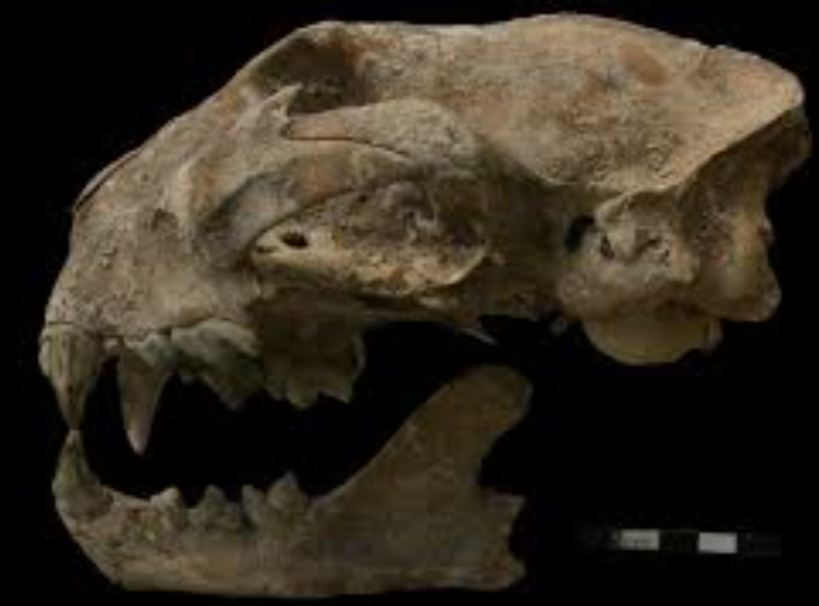 Now researchers are turning to the next big question: what kinds of dogs did the Maya keep? Ancient Mesoamerica is known to have included several distinctive dog types, including small companion breeds and the hairless variety often associated with the Xoloitzcuintli. Determining whether the traded dogs belonged to specific breeds — or represented regional variations — will require further DNA testing and morphological study.
This discovery reshapes our understanding of Maya society in subtle but meaningful ways. Dogs were not just passive parts of village life; they were participants in trade networks, carefully fed and possibly selectively bred. They crossed landscapes just as people and goods did.
From jungle lowlands to mountain highlands, the ancient Maya world was connected — and now we know that its four-legged companions were part of that story too.