The Patriarchate of Peć: Medieval Heart of the Serbian Orthodox Church
- SaoMai
- March 2, 2026
Tucked beside the dramatic cliffs of the Rugova Gorge near the city of Peja, the Patriarchate of Peć stands as one of the most important spiritual and historical landmarks of medieval Serbia. Built in the 13th century, this remarkable monastery complex became the seat of the Serbian Archbishops and later the Patriarchs, cementing its role as the ecclesiastical heart of the Serbian Orthodox Church.
Construction of the monastery began during a transformative era for the medieval Serbian state. As political power expanded, so too did religious authority. The complex evolved over time, with successive archbishops adding churches, frescoes, and architectural refinements. What emerged was not a single building, but a striking cluster of interconnected red-walled churches crowned with domes — a unique visual signature that still captivates visitors today.
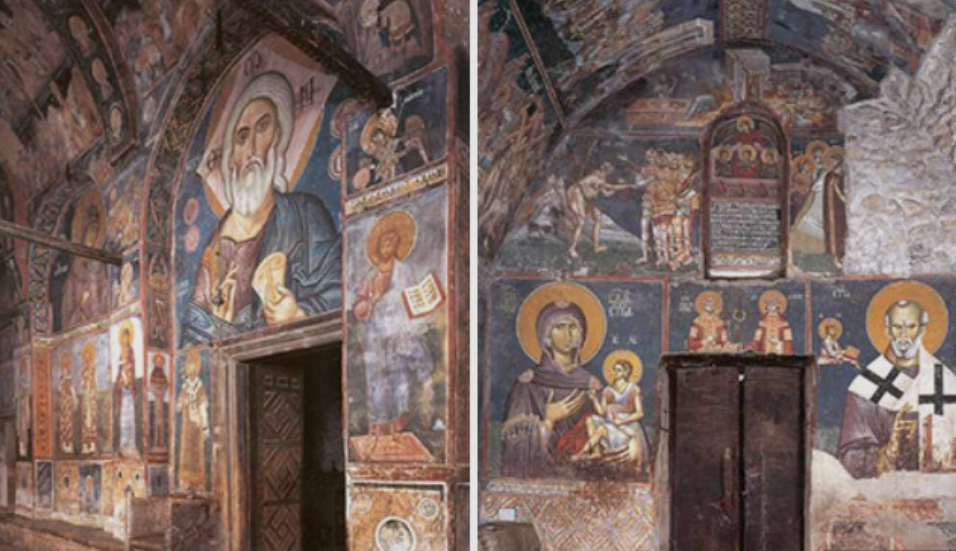
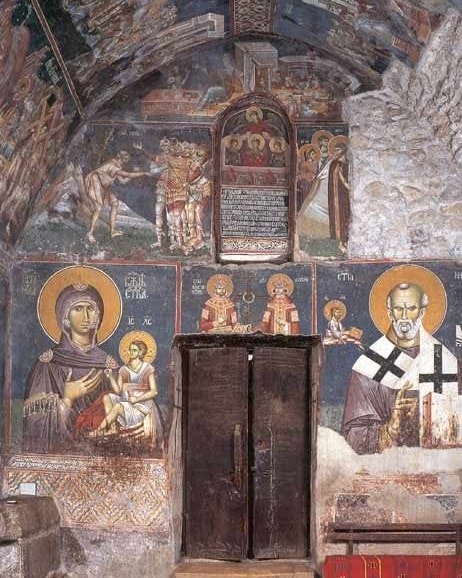 Inside, the monastery preserves extraordinary fresco cycles dating from the 13th and 14th centuries. These vivid wall paintings depict biblical scenes, saints, and rulers, blending Byzantine artistic traditions with distinctly Serbian stylistic elements. Beyond their artistic value, the frescoes serve as visual theology — expressions of faith, authority, and identity during a period when church and state were deeply intertwined.
The Patriarchate of Peć was more than a monastery; it was a center of decision-making and spiritual leadership. From here, archbishops guided the religious life of the Serbian realm, strengthened ties with other Orthodox communities, and played a key role in shaping medieval Balkan history. When the Serbian Church was elevated to a Patriarchate in the 14th century, Peć became its official seat, further elevating its prestige.
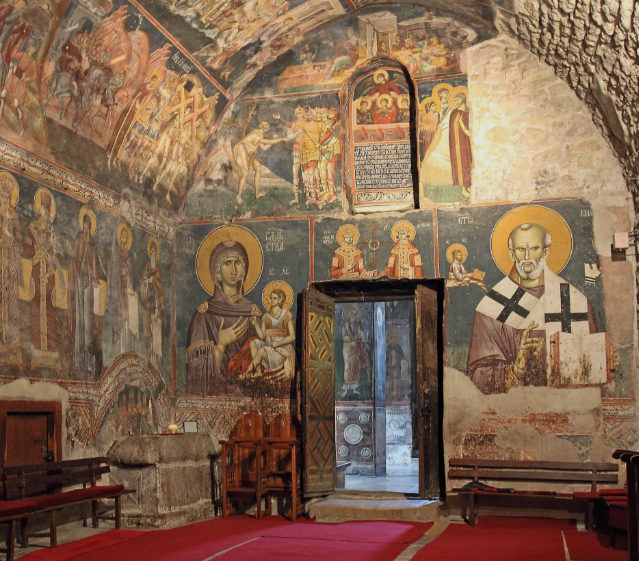 Despite centuries of political upheaval, shifting borders, and regional conflict, the monastery has endured. Its survival speaks not only to the resilience of stone and mortar but also to the enduring cultural and religious significance it holds for Orthodox believers.
Today, the Patriarchate of Peć remains an active monastery and a symbol of Serbian spiritual heritage. Surrounded by mountains and sheltered by towering rock faces, it continues to stand as a testament to medieval devotion, artistry, and ecclesiastical authority — a place where faith, history, and architecture converge in one of the Balkans’ most storied sacred landscapes.