19,000 Feet Above Sea Level: The Ancient Rock Art Mystery of Ladakh
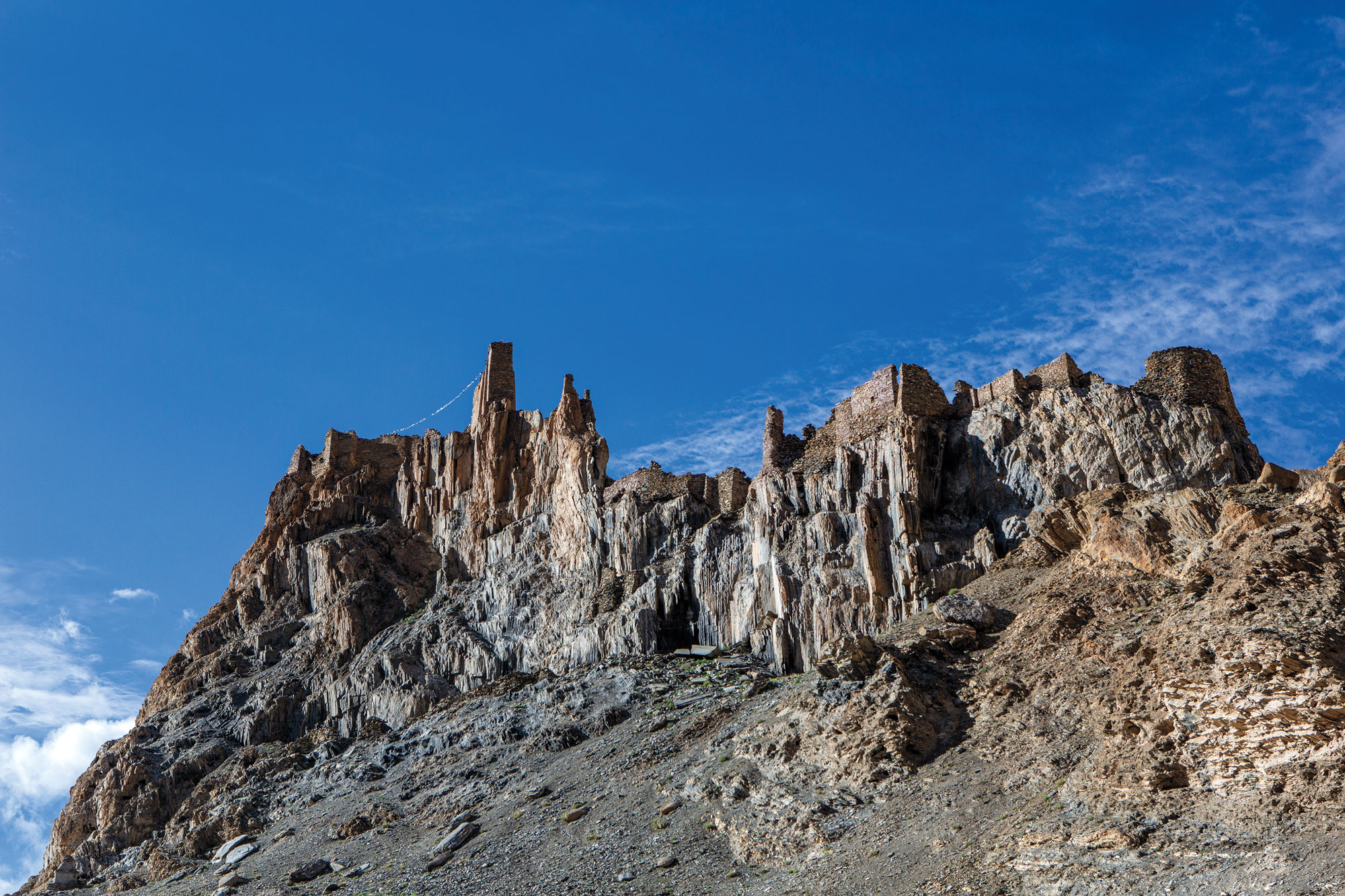
High in the trans-Himalayan wilderness of Ladakh, where oxygen is thin and winter grips the mountains for most of the year, archaeologists are pushing the limits of endurance to uncover one of the most extraordinary artistic legacies on Earth. At elevations reaching nearly 19,000 feet, scattered across stark cliffs and wind-carved boulders, lies the largest known concentration of extreme-altitude rock art in the world.
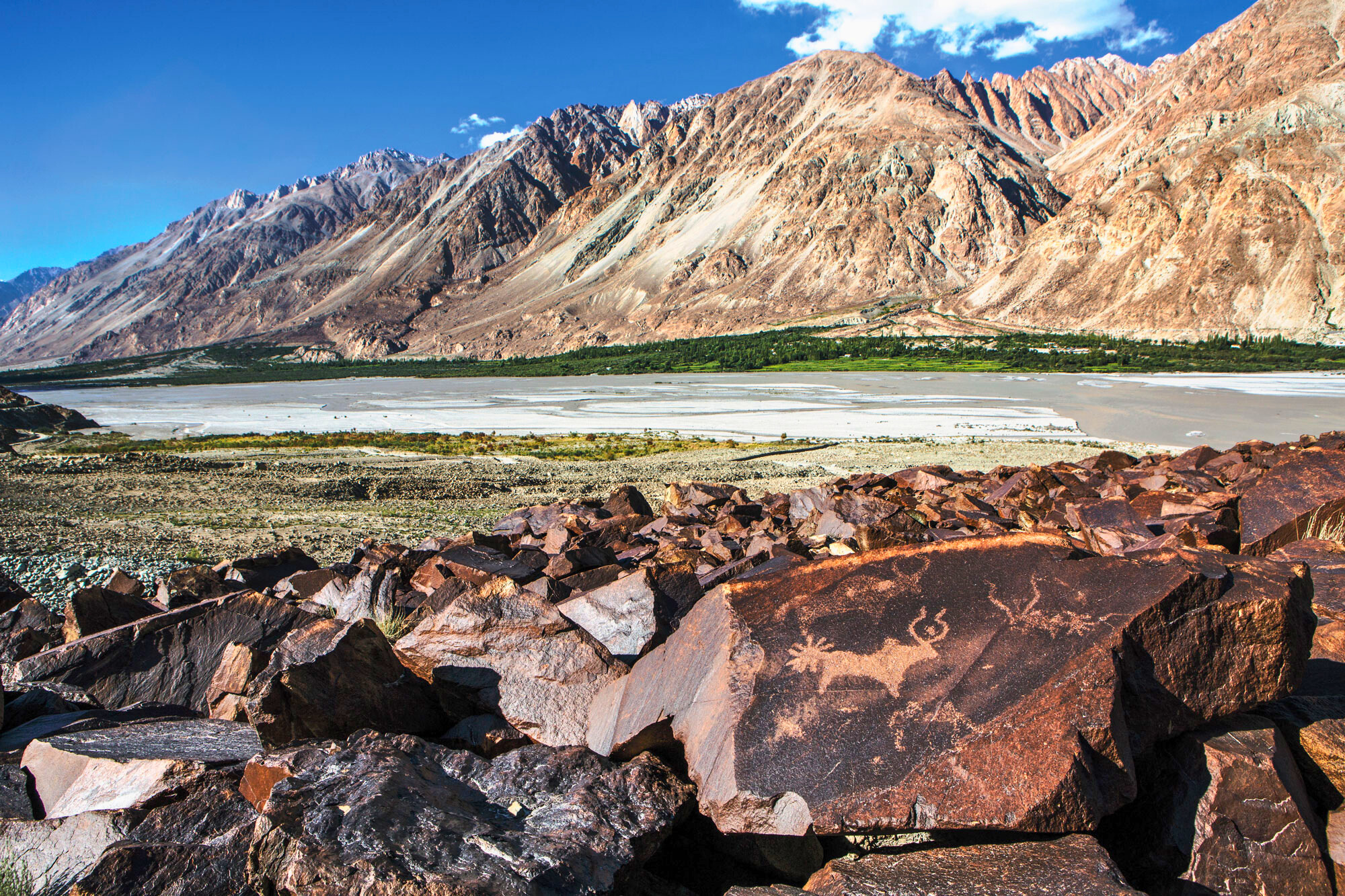
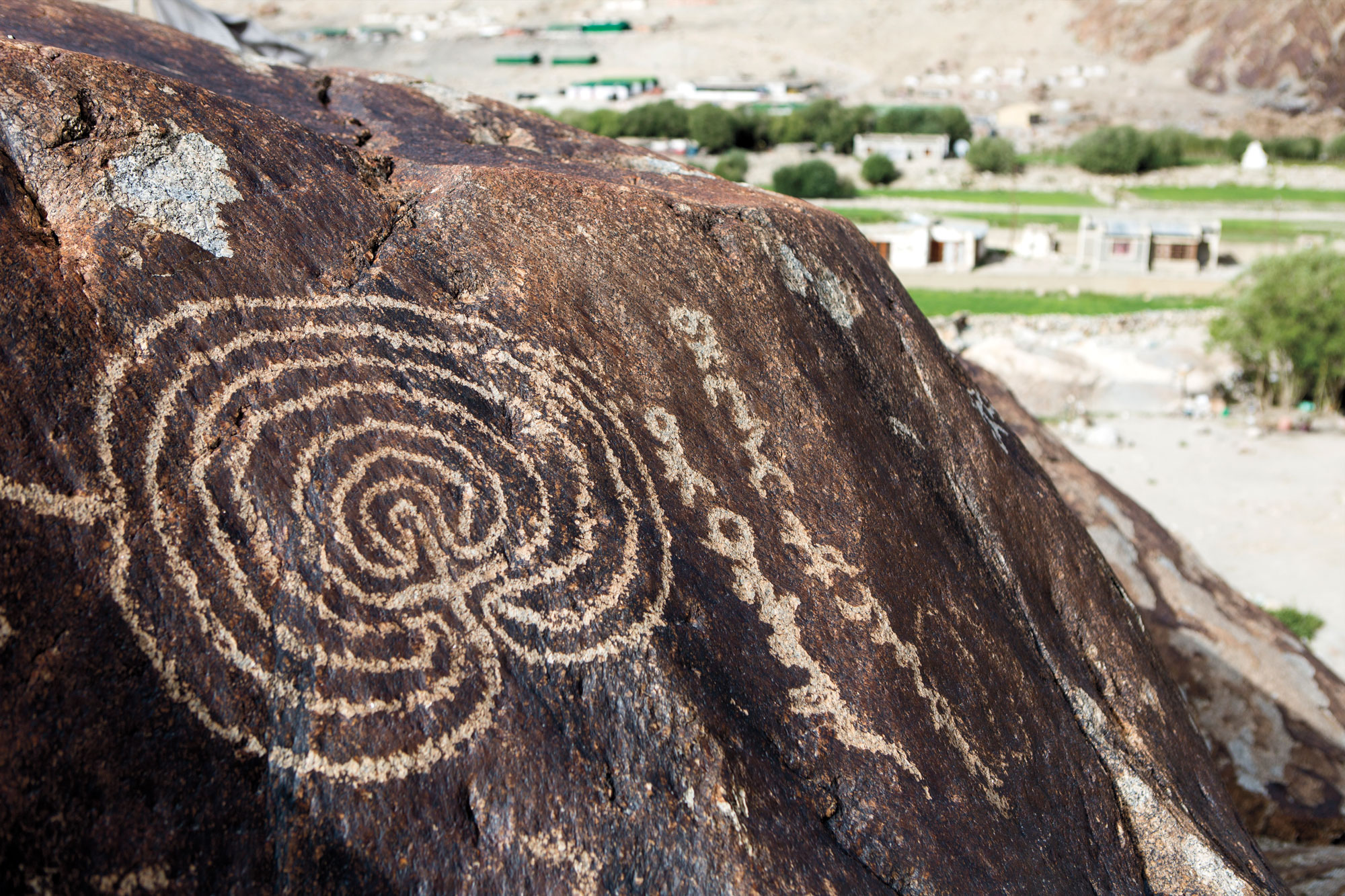 This is not an easy dig. Researchers battle freezing temperatures, isolation, and punishing terrain just to document the carvings. Yet what they are finding is nothing short of astonishing. Etched into the stone surfaces are powerful images: muscular yaks with sweeping horns, agile ibexes poised mid-leap, spirals that seem to pulse with symbolic meaning, and haunting mask-like faces that stare outward across millennia.
Some of these petroglyphs date back approximately 4,500 years. That means people were not only surviving but expressing themselves artistically in one of the harshest environments on the planet during the Bronze Age. The carvings suggest a culture deeply connected to high-altitude pastoralism and mountain life. Yaks were essential for transport, milk, meat, and survival; ibex hunts may have held economic or ritual importance. The spirals and mask faces hint at spiritual beliefs we are only beginning to understand.
 Who were these artists? Scholars believe they may have been early trans-Himalayan communities linked to ancient trade networks that once connected Central Asia, South Asia, and the Tibetan Plateau. Long before formal Silk Road routes were established, these high mountain corridors served as pathways for migration, exchange, and cultural blending. The rock art may reflect not just local traditions, but influences carried across vast distances.
What makes Ladakh’s rock art so compelling is its setting. These carvings were not hidden in caves or sheltered valleys. Many are exposed on open rock faces, visible to anyone passing through mountain passes. Were they territorial markers? Spiritual guardians?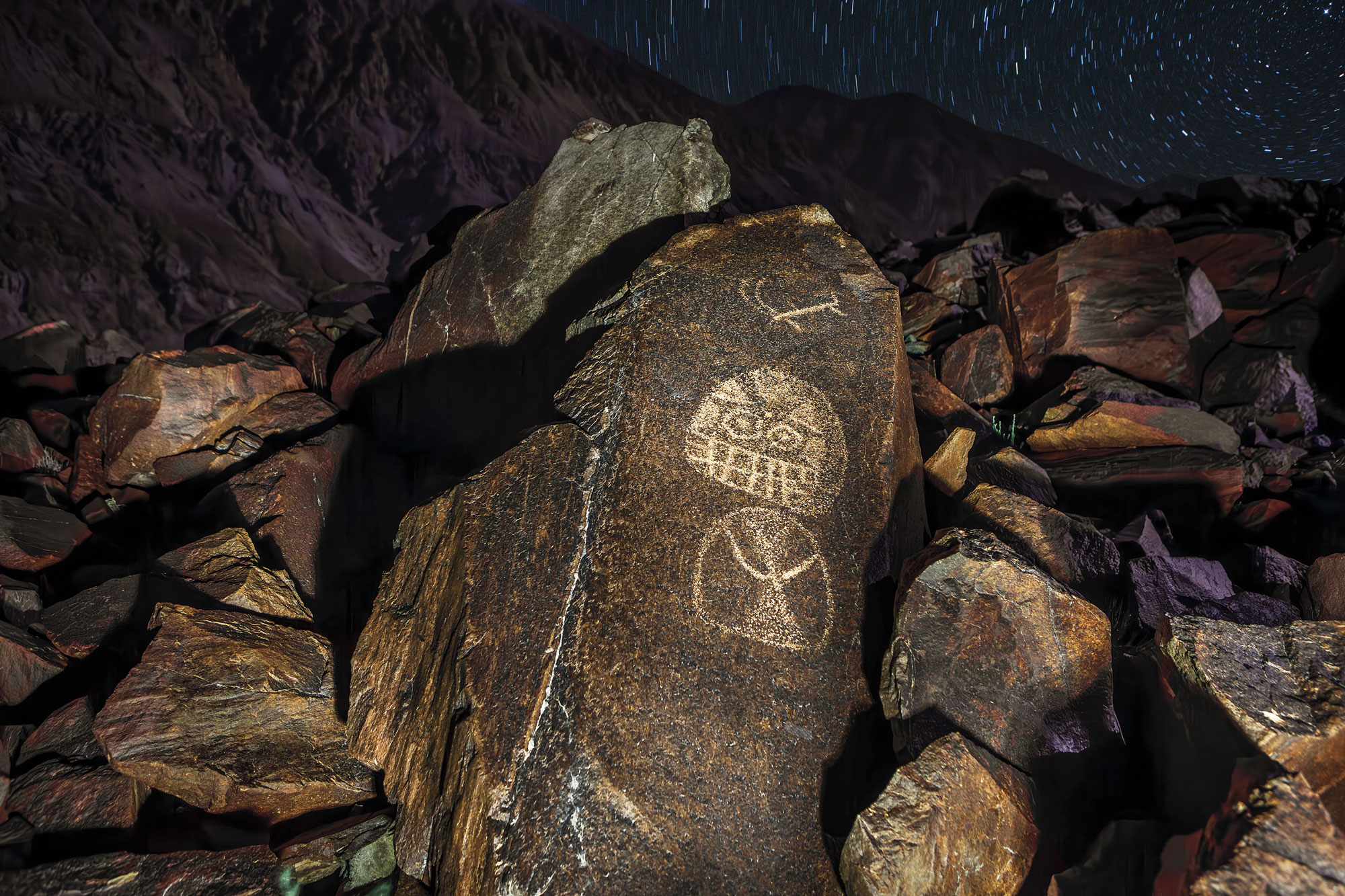 Storytelling panels for nomadic groups? Each carving raises new questions about belief systems, identity, and adaptation at extreme altitude.
Today, modern technology—high-resolution photography, 3D scanning, and drone mapping—is helping preserve and analyze these fragile artworks before erosion and climate change can erase them. But the deeper mystery remains: what drove ancient people to create enduring art at the very edge of human habitation?
In the silence of Ladakh’s high plateau, surrounded by snow peaks and endless sky, these carvings continue to whisper stories from a distant past—stories of resilience, spirituality, and humanity’s timeless urge to leave a mark on the world.