11,000 Years on the River: Ancient Indigenous Settlement Discovered in Saskatchewan
- SaoMai
- March 2, 2026
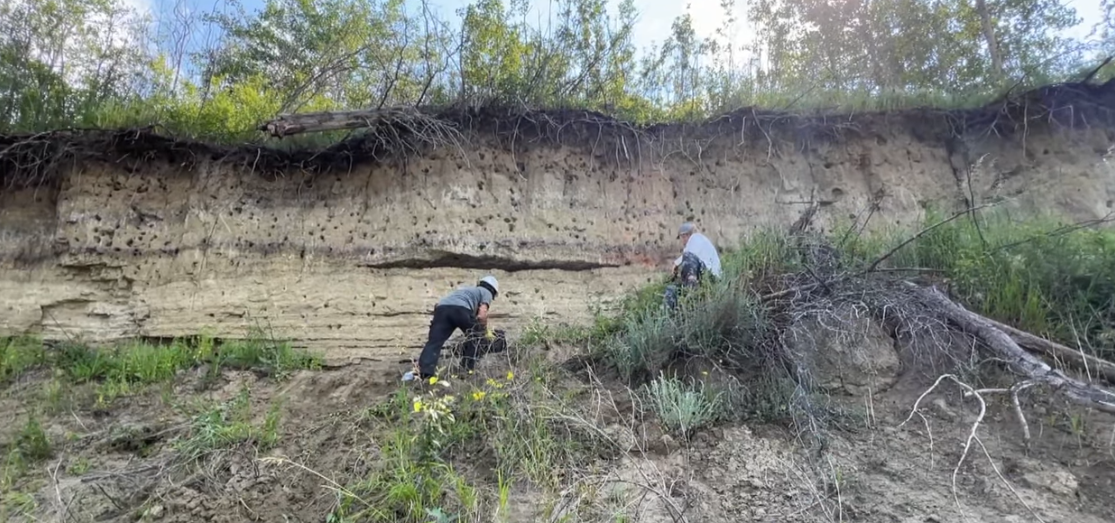
Along the banks of the North Saskatchewan River, near Sturgeon Lake First Nation, a powerful chapter of North America’s deep past is coming into sharper focus. Just three miles north of Prince Albert, riverbank erosion quietly revealed something extraordinary—layer upon layer of artifacts pointing to one of the continent’s oldest known Indigenous settlement sites.
What began as exposed fragments along a crumbling shoreline has evolved into a discovery that could reshape long-held assumptions about early life on the northern Plains. Archaeologists and community leaders working together at the site have uncovered compelling evidence that this was not merely a temporary hunting stop. Instead, the findings point to a structured, long-term settlement dating back approximately 11,000 years, to the closing stages of the last Ice Age.
Stone tools and scattered lithics—the byproducts of toolmaking—suggest repeated occupation and organized craftsmanship. 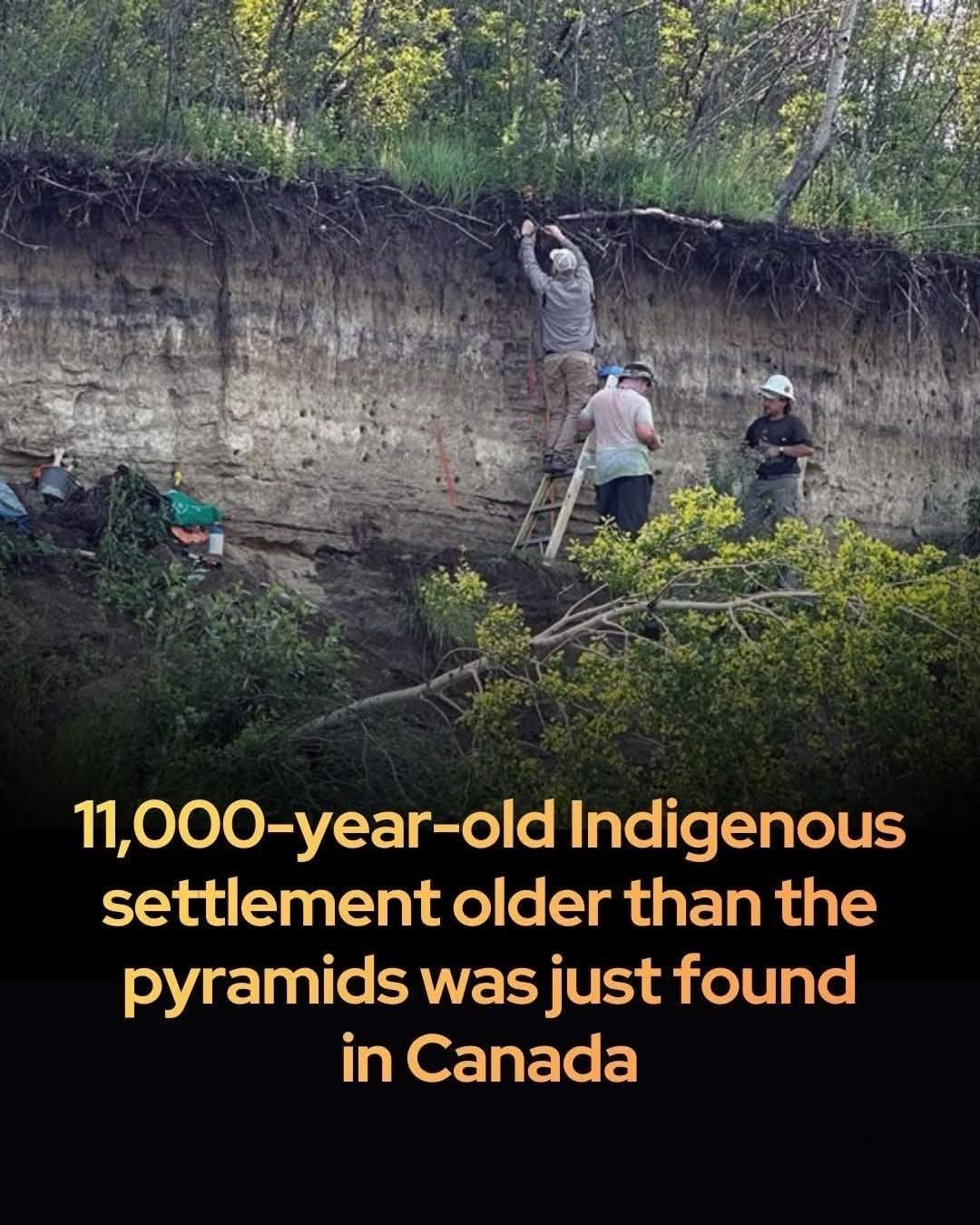 Fire pits and charcoal layers indicate sustained habitation over generations. Among the most striking discoveries are the remains of massive bison, including bones identified as belonging to Bison antiquus, an extinct species that could weigh up to 4,400 pounds. The arrangement of these remains suggests coordinated hunting strategies, possibly involving bison pounds or communal kill sites. Such evidence reveals not just survival, but sophisticated planning and land management.
For decades, prevailing narratives often described early Indigenous communities in this region as strictly nomadic, moving continuously without long-term settlement. This site challenges that assumption. The scale and organization of the findings reflect intentional land stewardship and sustained occupation—hallmarks of a deeply rooted community rather than a fleeting presence.
The project is being led by the Âsowanânihk Council—a Cree name meaning “A Place to Cross”—in partnership with researchers from the University of Saskatchewan and the University of Calgary. Elders and Knowledge Keepers are central to the research, ensuring that oral histories and cultural memory guide interpretation alongside archaeological science.  For generations, stories have described this region as a gathering place, a crossing point, and a hub of exchange. Now, the physical evidence supports those accounts in remarkable detail.
Yet the site faces immediate threats from logging and industrial development, intensifying calls for protection. This discovery does more than extend a historical timeline—it affirms an enduring Indigenous presence woven through land, story, and memory. It reminds us that long before modern borders, this river valley was already a place of connection, resilience, and community.