Bahrain Says Headquarters of the US Navy’s Fifth Fleet Targeted
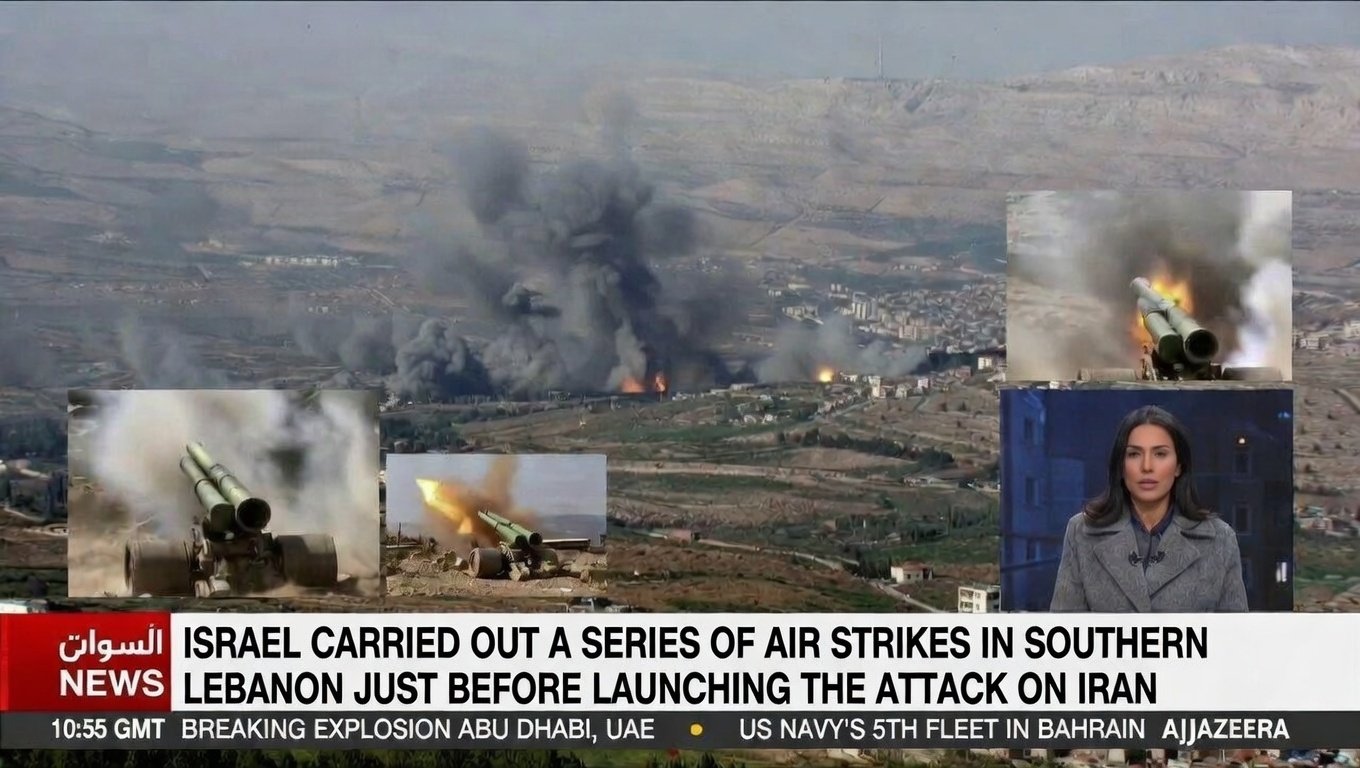
Manama — The tiny Gulf kingdom of Bahrain has been thrust into the eye of a rapidly widening regional storm after authorities confirmed that the headquarters of the United States Navy’s Fifth Fleet was targeted in what officials described as a coordinated missile and drone attack claimed by Iran’s Revolutionary Guard.
Residents living near the vast waterfront security complex reported a sudden eruption of thunderous explosions shortly after midnight. Bright streaks of interceptor fire arced across the sky as air-defense batteries activated, turning the night over Manama into a lattice of light and smoke. Shockwaves rattled apartment windows along the corniche, car alarms wailed across nearby districts, and thick plumes briefly rose above the fortified perimeter before sirens and emergency vehicles overwhelmed the city’s usual hum.
Bahrain’s Interior Ministry confirmed what it called “an attempted strike on critical military facilities,” stating that air defenses successfully intercepted multiple incoming projectiles. Officials described the physical damage within the base perimeter as “limited,” though they declined to clarify whether American or Bahraini personnel were injured. The absence of detail has fueled speculation, as social media filled with unverified images and videos purporting to show impact sites near docking areas.
The headquarters in Manama serves as the nerve center of the US Navy’s Fifth Fleet, which oversees maritime security operations across the Persian Gulf, the Red Sea, the Arabian Sea, and parts of the Indian Ocean. The base plays a critical role in safeguarding global shipping lanes and energy routes — making it both strategically vital and symbolically potent. Any successful strike there would signal a dramatic escalation beyond proxy exchanges into direct confrontation with American forces.
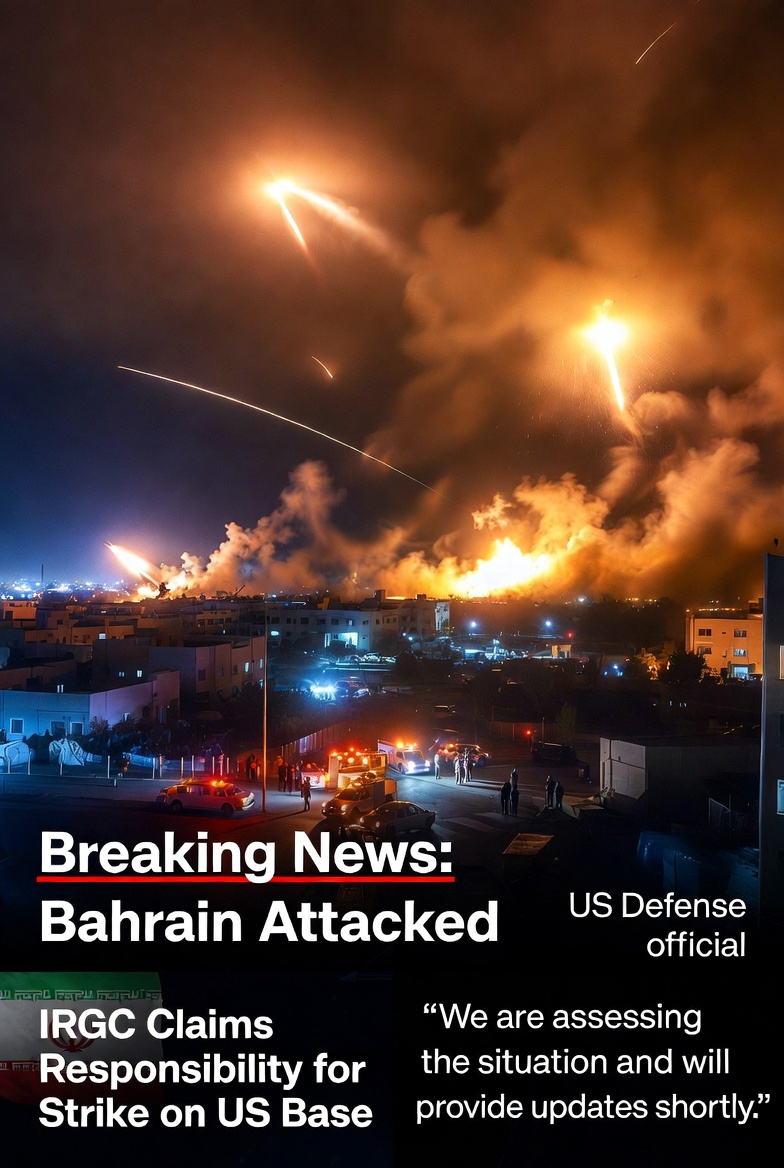
In a brief statement, US defense officials acknowledged that the installation had been targeted and confirmed that defensive systems engaged “multiple aerial threats.” They emphasized that operations remain ongoing and that maritime patrols across the Gulf have not been suspended. Warships stationed offshore reportedly heightened alert levels, with additional surveillance aircraft deployed to monitor regional airspace.
Iran’s Revolutionary Guard claimed responsibility hours later through affiliated media channels, framing the attack as retaliation for recent strikes on Iranian territory. The statement warned that “all American military assets in the region are within range,” signaling that further actions could follow if hostilities continue.
The incident has intensified fears of a broader maritime crisis. Commercial shipping companies are said to be reassessing transit routes through the Gulf, while regional energy markets reacted nervously in early trading. Analysts caution that attacks on such high-profile installations risk drawing additional actors into the conflict, especially if casualties among US personnel are confirmed.
Diplomatic channels appear strained but active. Gulf Cooperation Council members reportedly convened emergency consultations, and international calls for de-escalation have multiplied. Yet on the ground in Manama, the tension remains palpable. Checkpoints have been reinforced, patrols increased, and residents advised to remain vigilant.
Whether the damage proves truly limited or more severe than publicly acknowledged, the targeting of the Fifth Fleet headquarters marks a dangerous threshold. A strike on one of Washington’s most visible military hubs in the Middle East carries implications far beyond Bahrain’s shores — raising the specter of direct, sustained confrontation in waters that anchor much of the world’s energy and trade flows.