Frozen in Stone: The Day Dinosaur Skin Came Back to Life
- SaoMai
- March 3, 2026
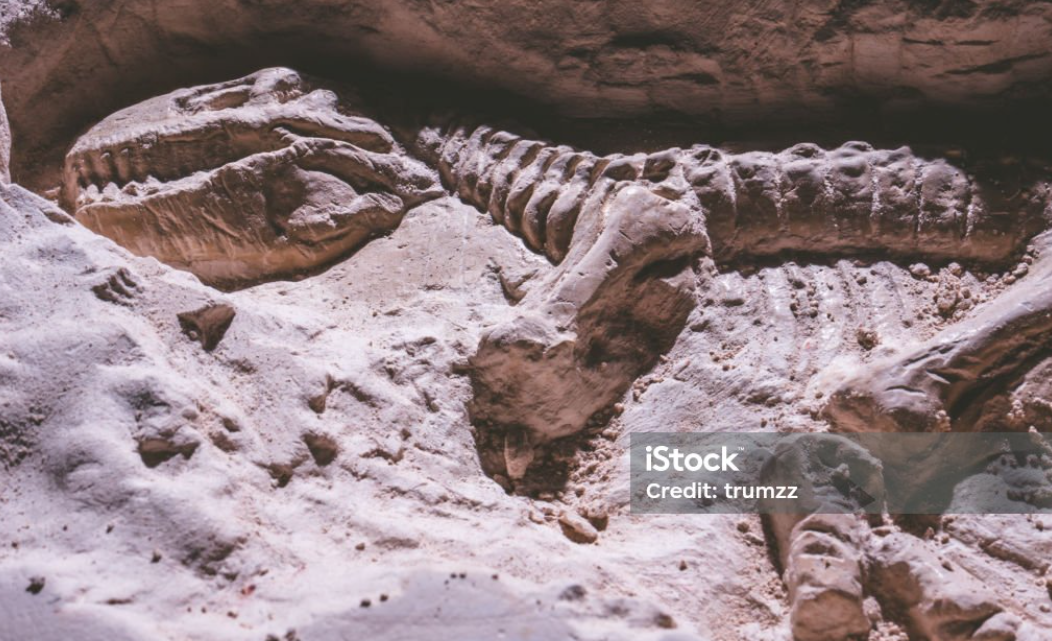
For generations, dinosaurs have lived in our imaginations as towering skeletons assembled in museum halls — bone without flesh, shape without texture. But in recent years, paleontology has delivered something astonishing: the surface of dinosaur skin, preserved in such extraordinary detail that we can almost picture these ancient giants breathing under prehistoric skies.
One of the most remarkable examples comes from Edmontosaurus annectens, a duck-billed dinosaur that roamed North America at the very end of the Cretaceous Period, about 66 million years ago. In the rugged badlands of Wyoming, paleontologists uncovered specimens so exquisitely preserved that the outer surface of the animal’s body remains visible.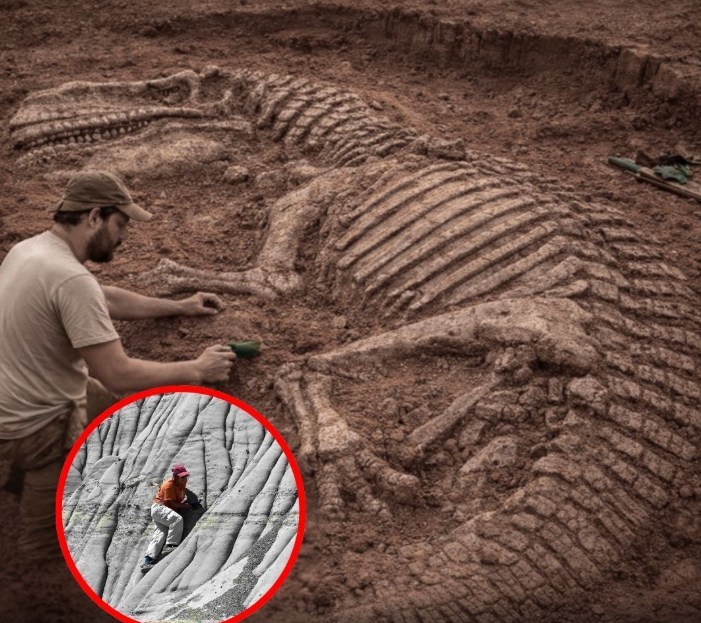 Scale patterns, pebbled skin textures, and even hoof-like coverings on the feet can be clearly identified. The fossils appear almost “mummified,” offering a three-dimensional replica of the dinosaur’s exterior.
Despite the nickname, these are not true mummies in the human sense. No original flesh or collagen survives. Instead, shortly after death, the dinosaur’s body was rapidly buried by sediment, likely during flooding events. A thin layer of fine clay encased the remains, forming a natural mold around the soft tissues before they decayed. Over time, minerals replaced the organic material, preserving the external details in stone. The result is a fossilized imprint so precise that scientists can analyze the texture and arrangement of individual scales.
The scientific value of these discoveries extends far beyond their visual impact. Preserved skin allows researchers to investigate how dinosaurs may have regulated body temperature, defended themselves against parasites, or displayed visual signals for communication. In some cases, the fossils reveal anatomical structures never previously imagined. In China, skin impressions from the iguanodontian Haolong dongi preserved microscopic cellular patterns and unusual hollow, spine-like projections embedded in the skin. 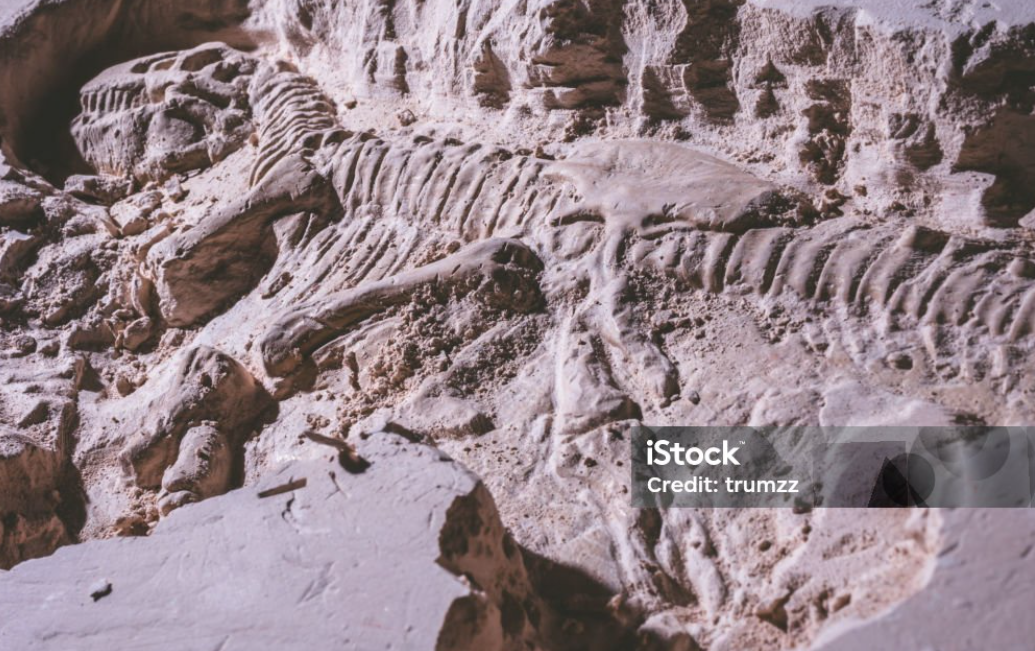 These spikes may have functioned as defensive adaptations, suggesting a surprising level of biological complexity among herbivorous dinosaurs.
Such finds challenge the long-standing perception that the fossil record consists only of bones. Instead, they reveal a more intimate portrait of prehistoric life — one that includes texture, surface, and form. Some impressions are so detailed that scientists can estimate whether a dinosaur’s hide felt rough and pebbled or smoother in certain areas of the body.
Each preserved patch of skin acts as a direct physical bridge to a vanished world. Through these rare and extraordinary fossils, dinosaurs are no longer just skeletal outlines; they become tangible, textured beings that once walked, breathed, and thrived on ancient Earth.