Oldest Known Sewn Hide Found in Ice Age Oregon Cave Points to Early Clothing
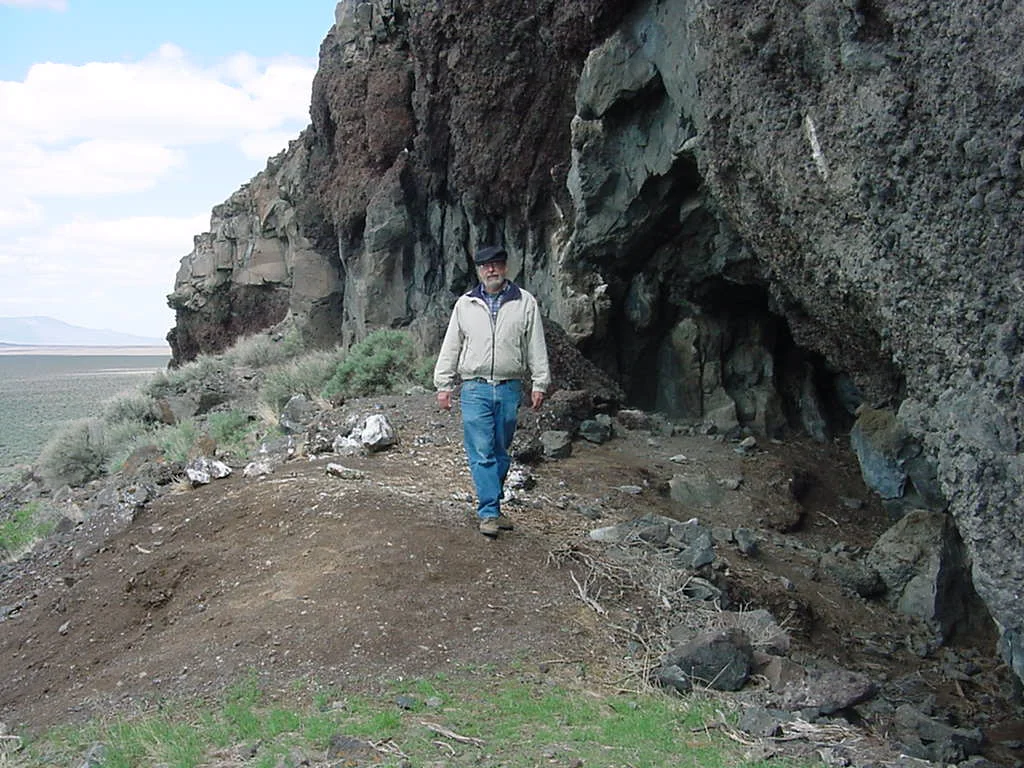
Archaeologists working in dry caves in Oregon have identified what may be the oldest surviving physical evidence of sewn hide, offering rare insight into early clothing technology. The discovery comes from Cougar Mountain Cave, where two small pieces of animal skin were found joined by a strip of cord. Radiocarbon dating places the objects between roughly 12,900 and 11,700 years ago, during the Younger Dryas, a cold phase near the end of the last Ice Age.
The sewn hide fragments are part of a broader collection of perishable artifacts recovered from Cougar Mountain Cave and the nearby Paisley Caves. Researchers examined 55 artifacts made from plant and animal materials and obtained 66 radiocarbon dates. The items represent at least 15 different species. Organic materials rarely survive for so long, but the exceptionally dry cave environments preserved fiber, wood, cordage, and skin for millennia.
Clear stitching holes show that the hide fragments were deliberately sewn together. Researchers believe they were once part of clothing or flexible equipment such as footwear or coverings for shelters. Supporting this interpretation, bone needles with carefully drilled eyes have been found at four sites in the region. These tools rank among the most finely made from the Late Pleistocene and point to well-developed sewing traditions in western North America near the end of the Ice Age.
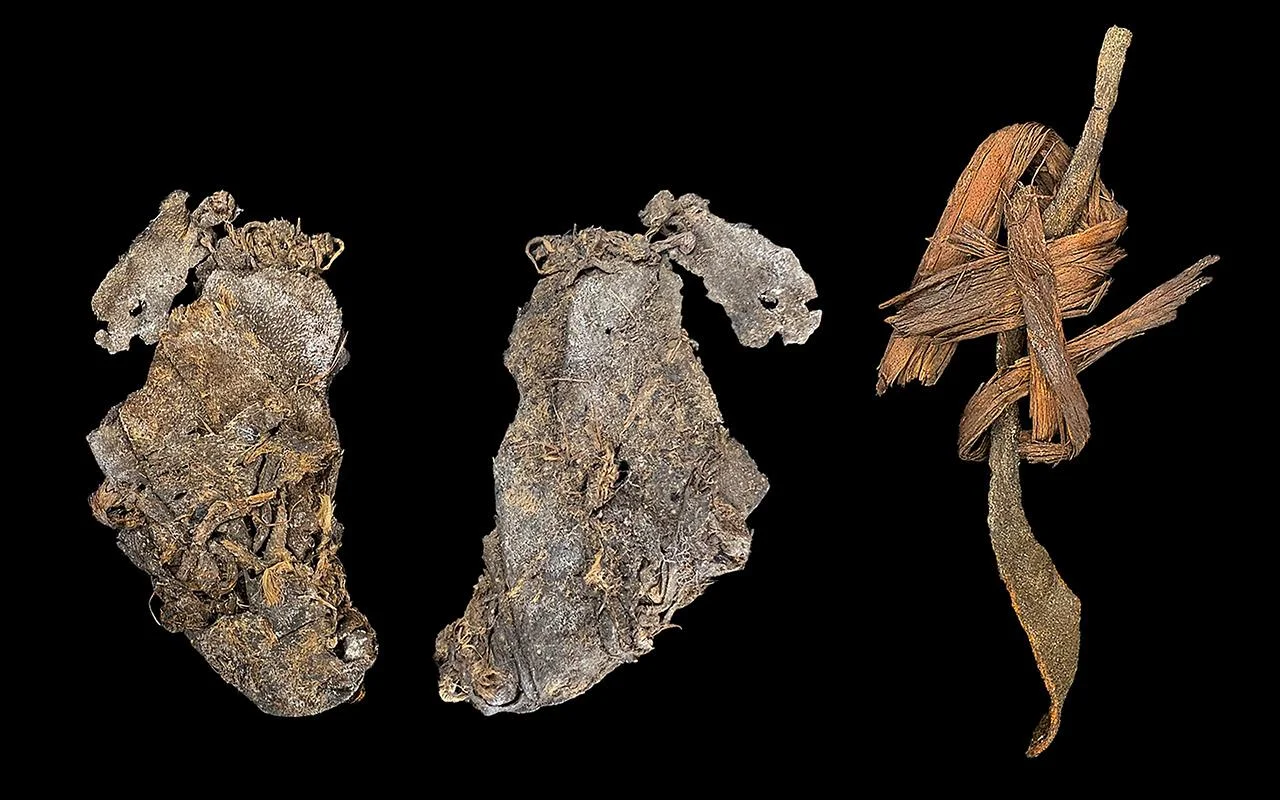
Plant fiber technology is also widespread in the assemblage. Archaeologists identified cords of varying thicknesses and twists, suggesting multiple functions. Twined fragments indicate weaving techniques suitable for nets, bags, or mats. At Paisley Caves, the team also recovered a strip of rabbit fur with hair still attached. The fragment closely resembles rabbit skin garments documented among Northern Paiute communities in more recent centuries, where numerous pelts were woven together with plant fiber to create warm robes or skirts.
Animal remains from nearby sites provide further context. At two locations within about 100 kilometers of Paisley Caves, archaeologists uncovered large fire pits containing more than 14,000 rabbit bones, with very few remains from other animals. Such concentrations match ethnographically recorded communal rabbit drives, in which groups used long nets to funnel animals into confined spaces for mass capture. These hunts supplied both meat and fur. Smaller-scale trapping likely occurred year-round, supported by wooden artifacts from the caves that resemble components of simple deadfall traps.
Climate conditions help explain the importance of sewn hide clothing. During the Younger Dryas, colder temperatures and wetter conditions reshaped environments across the Great Basin, increasing the need for fitted, insulating garments made from fur and hide. After about 11,000 years ago, as conditions became warmer and drier, the archaeological record shows a shift toward lighter, plant-based textiles and a decline in bone needles, suggesting seasonal changes in clothing strategies.
Together, the Oregon finds provide rare, direct evidence for complex organic technologies during a critical period of human adaptation in the Americas. Sewing, cordage production, weaving, and coordinated small-game hunting formed an integrated system that supported daily life in cold and changing Ice Age environments. These fragile materials preserve an otherwise invisible record of how Late Pleistocene communities combined plant and animal resources to meet basic needs.