480,000-Year-Old Elephant Bone Tool from Boxgrove Is the Oldest of Its Kind in Europe
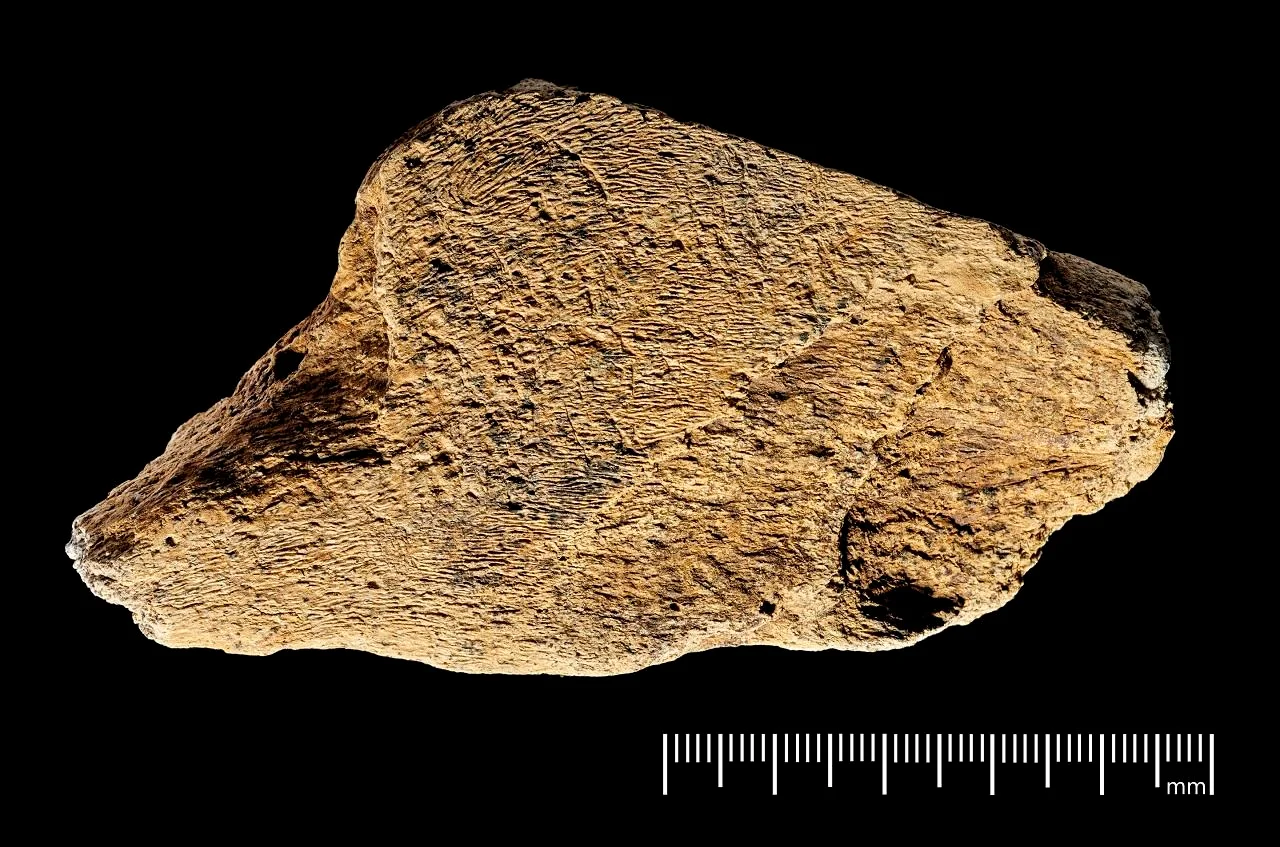
Archaeologists have identified a remarkably early tool made from elephant bone at the Boxgrove site in southern England. Dating to approximately 480,000 years ago, the artifact represents the oldest known elephant-bone tool ever discovered in Europe and offers new insight into the technological sophistication of early humans during the Middle Pleistocene.
The fragment measures about 11 centimeters long, 6 centimeters wide, and 3 centimeters thick. Detailed analysis using 3D scanning and electron microscopy revealed embedded flint fragments and repeated impact scars. These features show that the bone was used as a soft hammer or retoucher, a tool designed to reshape and resharpen flint implements such as handaxes.
A rare organic tool from a key prehistoric site
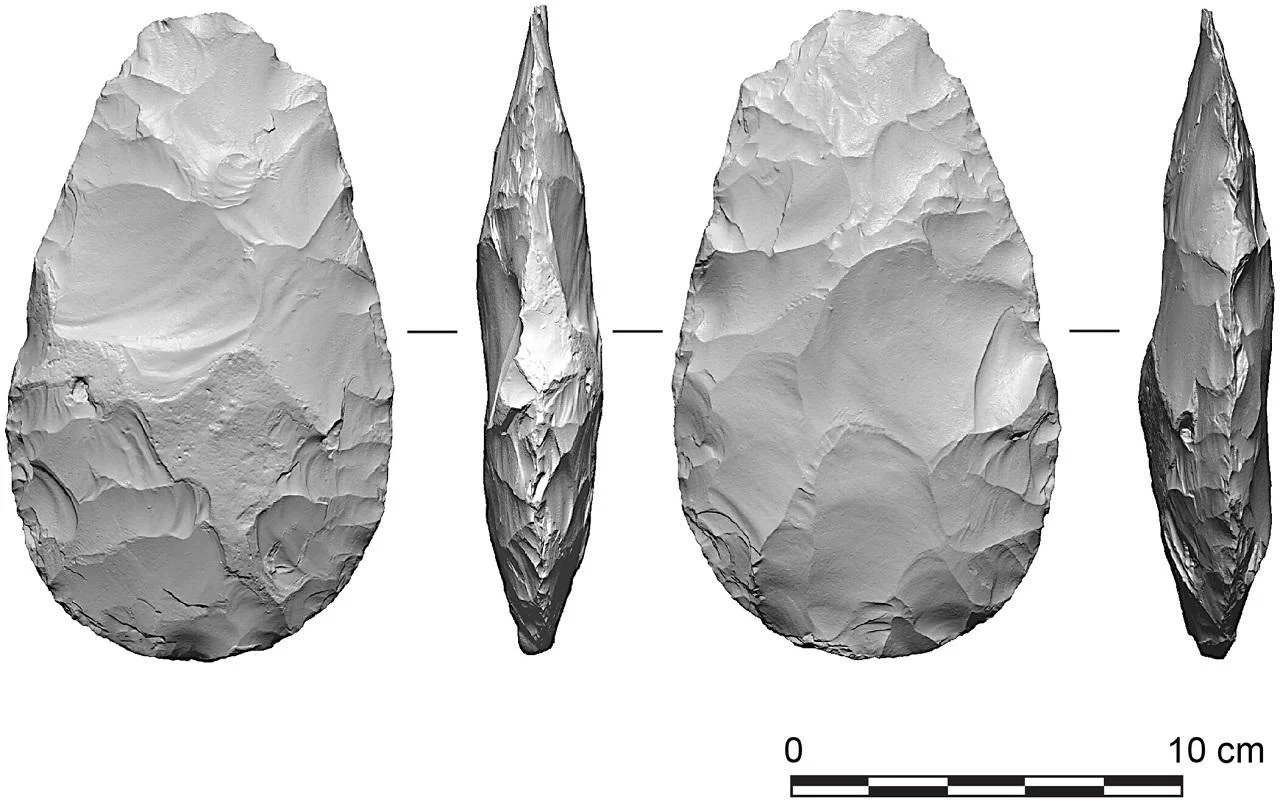
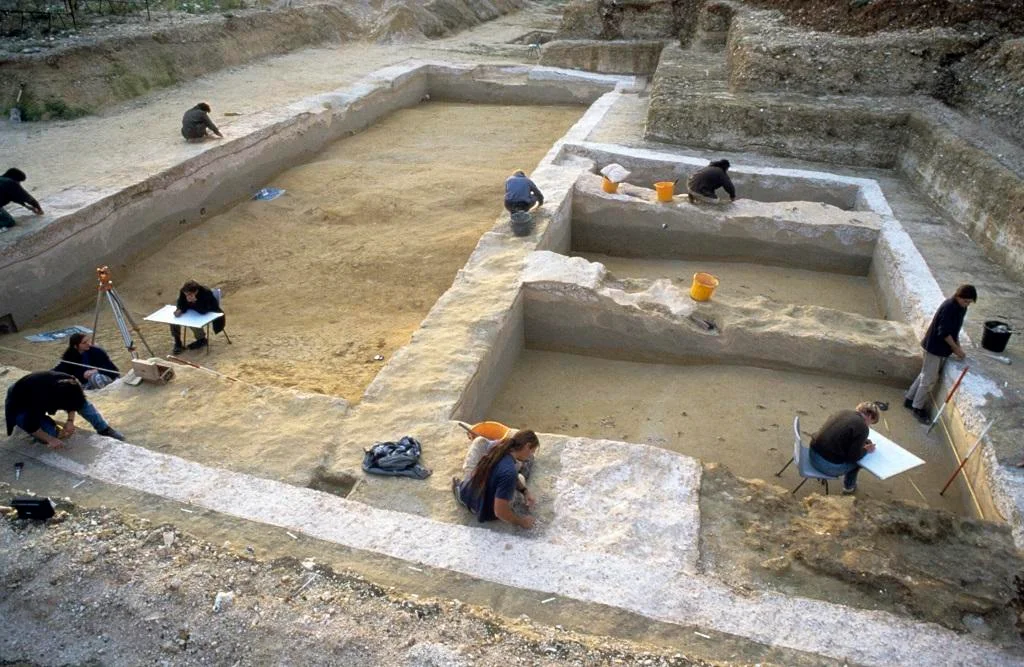
The Boxgrove site is already renowned for its rich record of Lower Palaeolithic activity, including finely made stone tools and evidence of early human occupation. However, this elephant-bone fragment stands out. Its dense cortical structure made it ideal for delicate knapping tasks, allowing greater precision than stone hammers. This control helped produce the highly symmetrical handaxes typical of the later Acheulean industry at Boxgrove—tools notable for their sharp edges and refined forms compared with those found at many other Eurasian sites.
Evidence of planning and material knowledge
The discovery highlights the planning abilities of Middle Pleistocene hominins. Elephants and mammoths were rare in southern England at the time, and no other elephant remains have been identified at Boxgrove. This suggests the bone was deliberately transported to the site rather than collected opportunistically. Signs that the bone was modified while still relatively fresh further indicate intentional preparation for tool use.
The exact species of hominin responsible remains uncertain. Both Homo heidelbergensis and early Neanderthals are considered likely candidates. Regardless, the use of soft hammers and retouchers reflects advanced cognitive abilities, including foresight, abstract thinking, and an understanding of material properties.
Expanding the picture of early European technology
Elephant-bone tools are known from East Africa as early as 1.5 million years ago, but examples in Europe older than about 43,000 years are extremely rare and mostly confined to warmer southern regions. The Boxgrove find demonstrates that sophisticated lithic strategies—and the use of organic tools such as bone, antler, and wood—had spread to higher latitudes much earlier than previously documented.
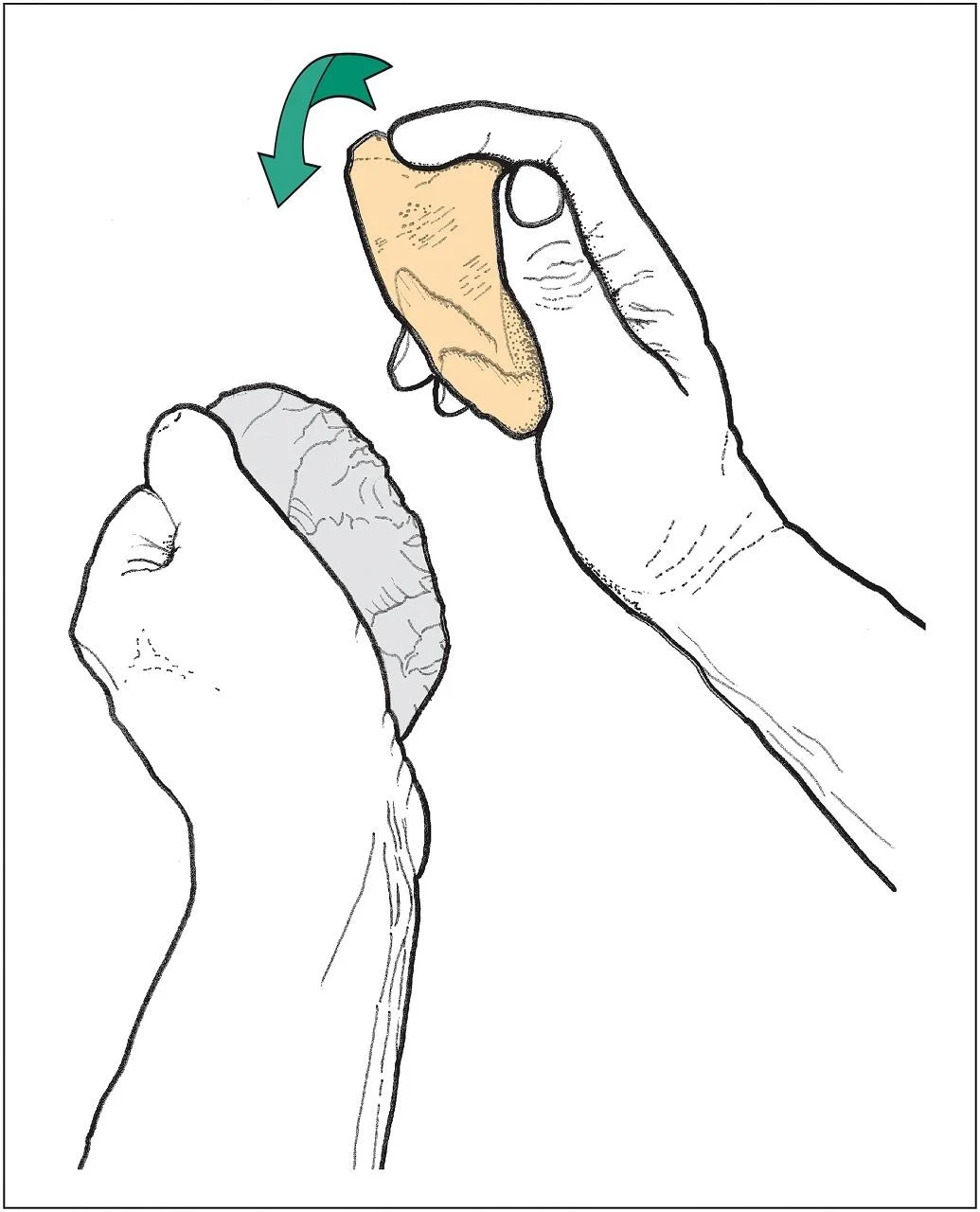
Such tools enabled complex knapping techniques, including platform preparation and tranchet flake removal, which were essential for producing refined ovate handaxes. The find also raises new questions about how technological knowledge circulated among prehistoric populations across Europe.
A rare glimpse into organic toolkits
The elephant-bone retoucher from Boxgrove underscores the ingenuity of early humans. By selecting scarce yet durable materials and integrating them into stone-tool production, these hominins achieved a level of craftsmanship previously unrecognized in northern Europe. The discovery also highlights how rarely organic tools survive in the archaeological record, despite their importance.
The research, published in Science Advances, emphasizes both the preservation challenges of organic artifacts and their critical role in reconstructing the behavioral and technological capabilities of early human populations during the Middle Pleistocene.