Cave Bear Painting at Chauvet: A 32,000-Year-Old Masterpiece of Early Art
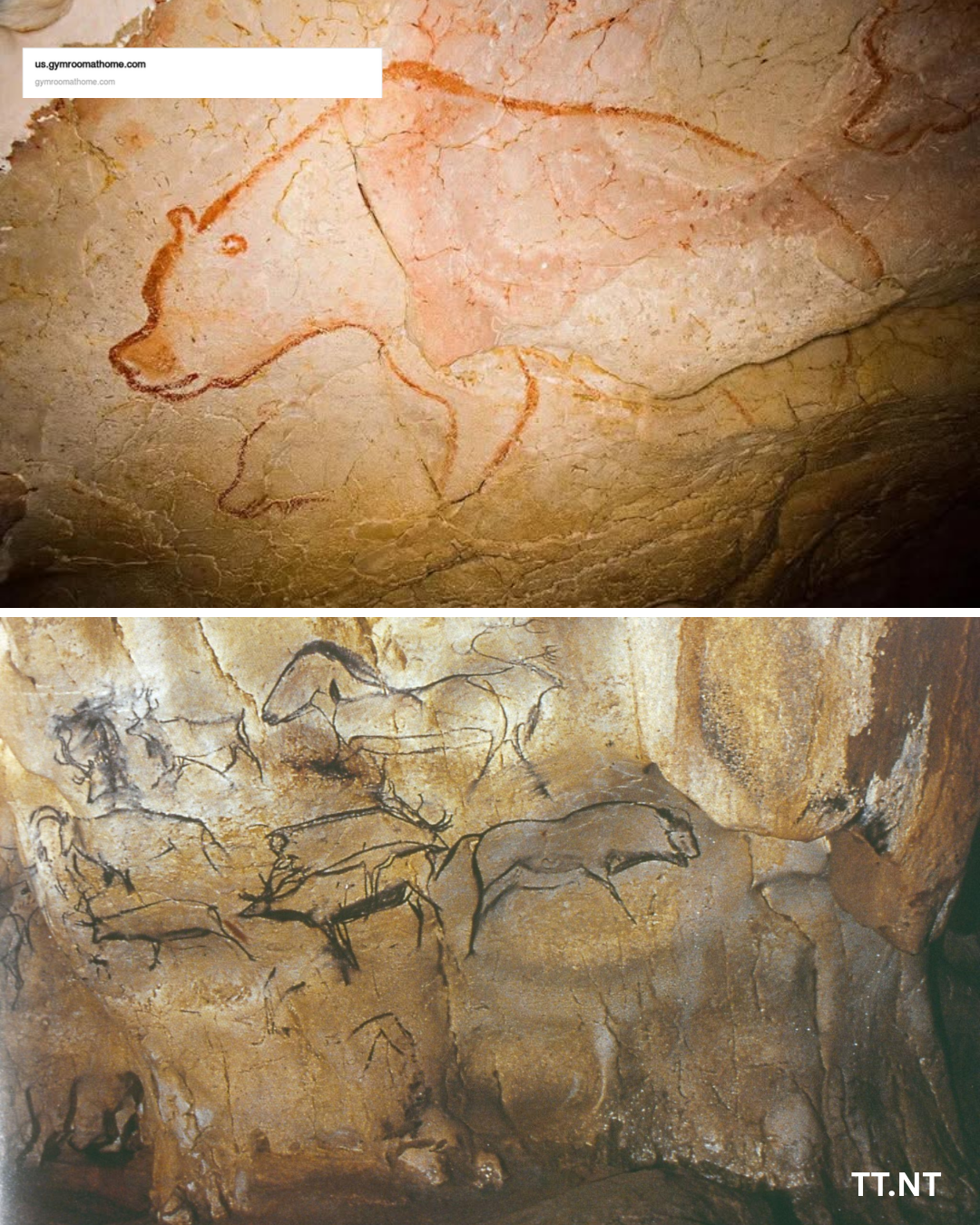
Cave Bear Painting at Chauvet: A 32,000-Year-Old Masterpiece of Early Art
Deep within the Chauvet Cave in southern France, a remarkable image of a cave bear stands as one of humanity’s earliest artistic achievements.

Dating to approximately 32,000 years ago (Aurignacian period), the bear was drawn using only 14 carefully placed lines. Despite this apparent simplicity, the image conveys depth, mass, and lifelike presence. The artist employed a technique known as “stump-drawing” — using fingers or possibly a piece of hide to blend and shape charcoal pigment. This method allowed the painter to soften the muzzle and emphasize the contours of the head and forequarters.

The result is strikingly modern in its realism. Subtle shading suggests volume, while confident outlines capture the power of the animal. Rather than static depiction, the bear appears alert and dimensional — demonstrating that early Homo sapiens possessed not only technical skill but also acute observational ability.
Chauvet Cave contains hundreds of animal representations, including lions, rhinoceroses, and horses, indicating a sophisticated visual culture far earlier than once believed. The cave’s preservation has allowed researchers to study prehistoric artistic techniques in extraordinary detail.

This cave bear drawing challenges outdated assumptions that early humans produced only crude imagery. Instead, it reveals a refined aesthetic sensibility and mastery of line — achieved tens of thousands of years before written history.