The Intricate Braided Hairstyles of the Caryatids
The Intricate Braided Hairstyles of the Caryatids
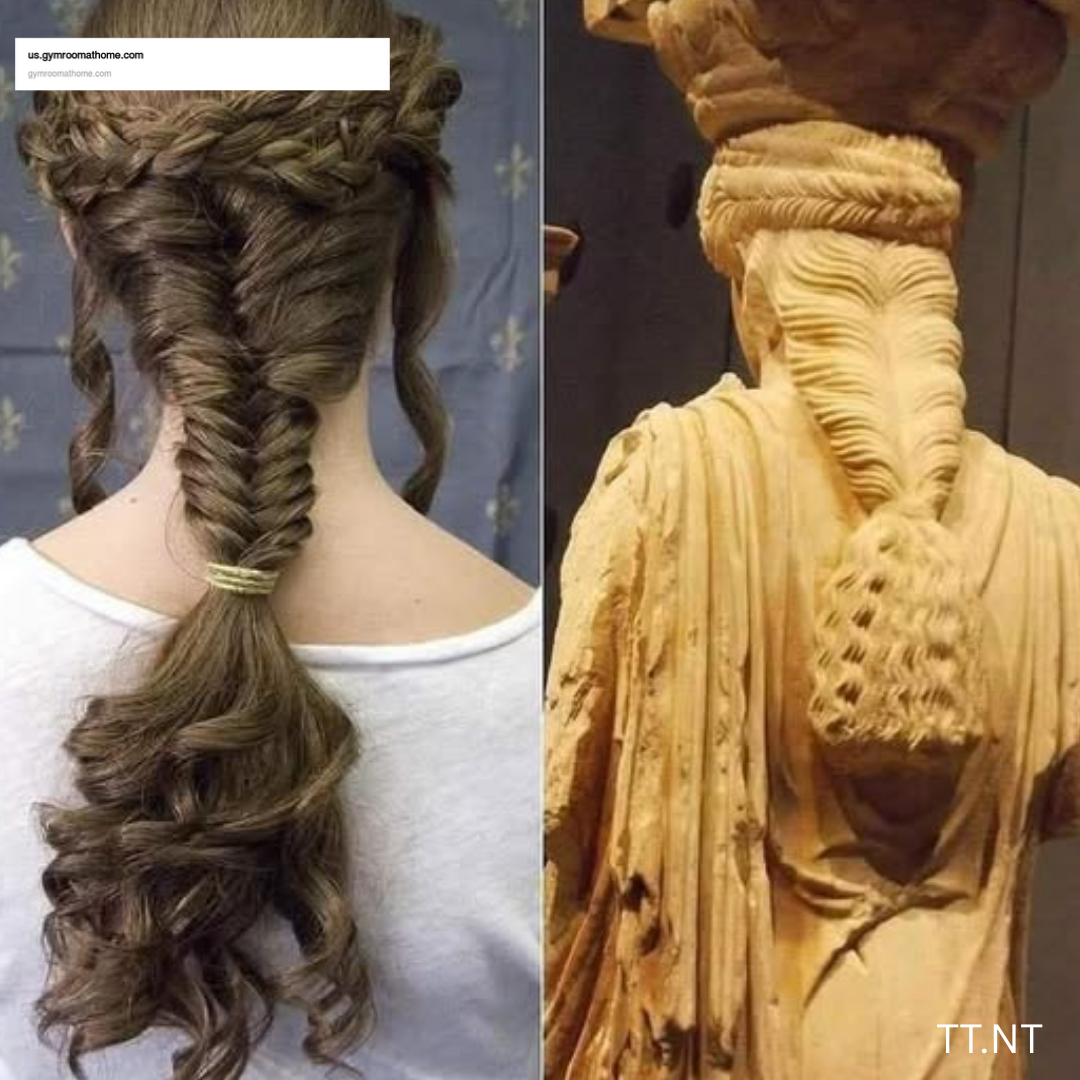
The elegant braided hairstyles carved into the marble of the Caryatids remain among the most refined details of classical Greek sculpture.
Created around 421–406 BCE, the Caryatids serve as architectural columns supporting the south porch of the Erechtheion on the Acropolis of Athens. Each of the six draped female figures stands in graceful contrapposto, balancing structural function with sculptural beauty.
One of the most striking features is their intricately braided hair. The thick plaits cascade down their backs in carefully arranged patterns. Beyond aesthetics, scholars suggest the heavy braids may also have served a structural purpose: the mass of carved hair reinforces the neck area, strengthening the marble at a key load-bearing point.
The hairstyles reflect 5th-century BCE Athenian fashion, combining idealized beauty with realistic detailing. The braids are symmetrical yet subtly individualized, demonstrating the sculptors’ mastery of form and texture.
Today, five original Caryatids are preserved in the Acropolis Museum, while one is housed in the British Museum. The figures continue to embody the harmony of art and engineering that defines classical Greek architecture.
Their braided hair is not merely decorative — it is a fusion of style, symbolism, and structural intelligence carved in stone 2,500 years ago.