The Chatelaine of Alexandra of Denmark: A Victorian Masterpiece of Utility and Elegance
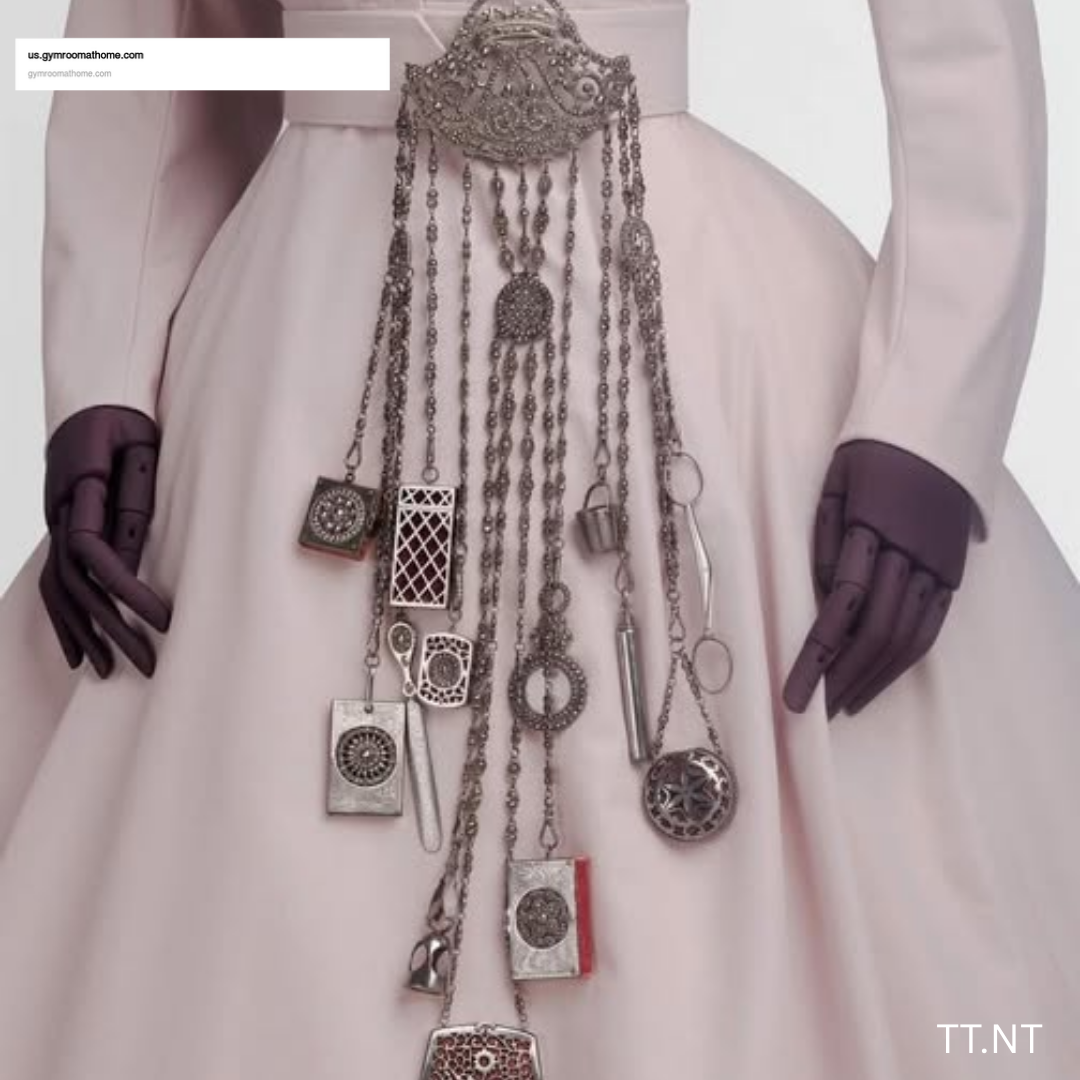
A finely crafted chatelaine once owned by Alexandra of Denmark stands as a remarkable example of Victorian craftsmanship and courtly refinement. Made in England between 1863 and 1885 CE, the piece is now preserved at the Victoria and Albert Museum.

A chatelaine was both decorative and practical — a waist-worn accessory fitted with chains from which essential personal items were suspended. This particular example is accompanied by 13 accessories, including scissors, a perfume bottle, a magnifying glass, and a small notebook. Each item reflects the refined daily routines of aristocratic life in the 19th century.
During the Victorian era, chatelaines symbolized organization, status, and femininity. While earlier versions were associated with household management, elite examples such as this evolved into luxurious personal adornments. Crafted in precious metals and often embellished with intricate detailing, they combined elegance with functionality.
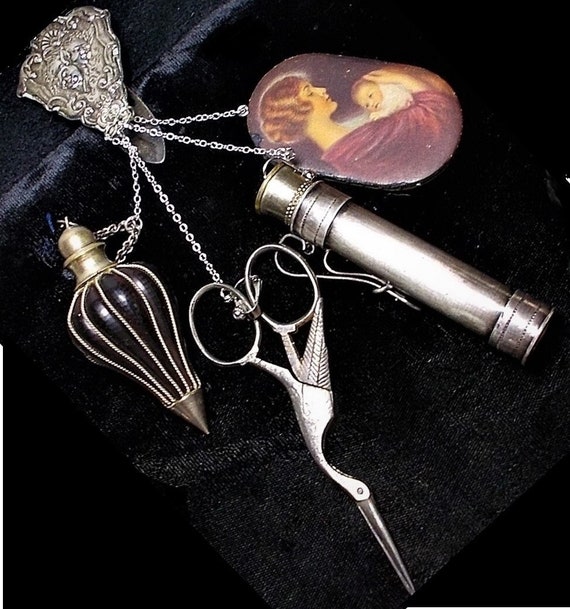
The chatelaine of Alexandra of Denmark illustrates the intersection of fashion, technology, and personal identity in Victorian Britain. More than a practical tool, it functioned as a statement piece — quietly displaying sophistication and authority at the royal court.
Today, it remains a delicate yet powerful reminder of how everyday objects can embody both artistry and social history.