A Medieval Book Mended with Silk Thread
A Medieval Book Mended with Silk Thread
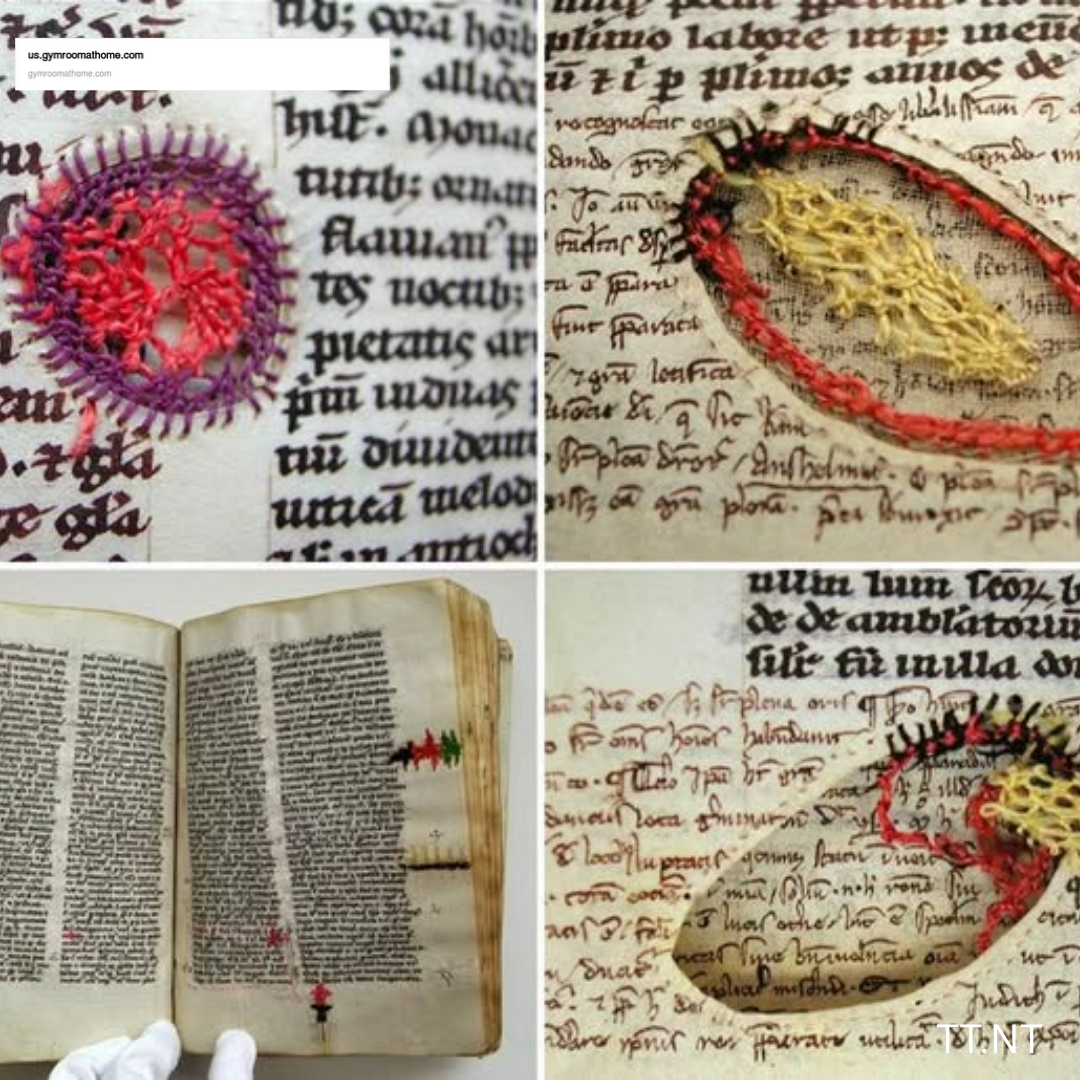
This medieval manuscript bears visible evidence of careful repair: delicate silk thread stitched through torn parchment to stabilize and preserve the page.
In the Middle Ages, parchment — made from specially prepared animal skin — was both labor-intensive and costly to produce. Replacing a damaged folio meant not only financial expense but also the risk of losing precious text, whether religious, legal, or scholarly in nature. As a result, scribes and book custodians often repaired rather than replaced damaged leaves.
Silk thread was sometimes used because of its strength, flexibility, and relative fineness. By stitching along tears, scribes could prevent further splitting while preserving the integrity of the written text. These repairs were practical solutions, yet they also reveal the high value placed on books in a manuscript culture where each copy was painstakingly produced by hand.
Such visible mending provides modern historians with insight into medieval attitudes toward preservation. Rather than discarding worn materials, caretakers extended a manuscript’s life through skilled intervention.
Today, these stitched repairs serve as reminders that books were living objects — handled, read, cherished, and carefully maintained long before the advent of print.