New Fossil Evidence Suggests “Lucy” May Not Have Been Our Direct Human Ancestor After All
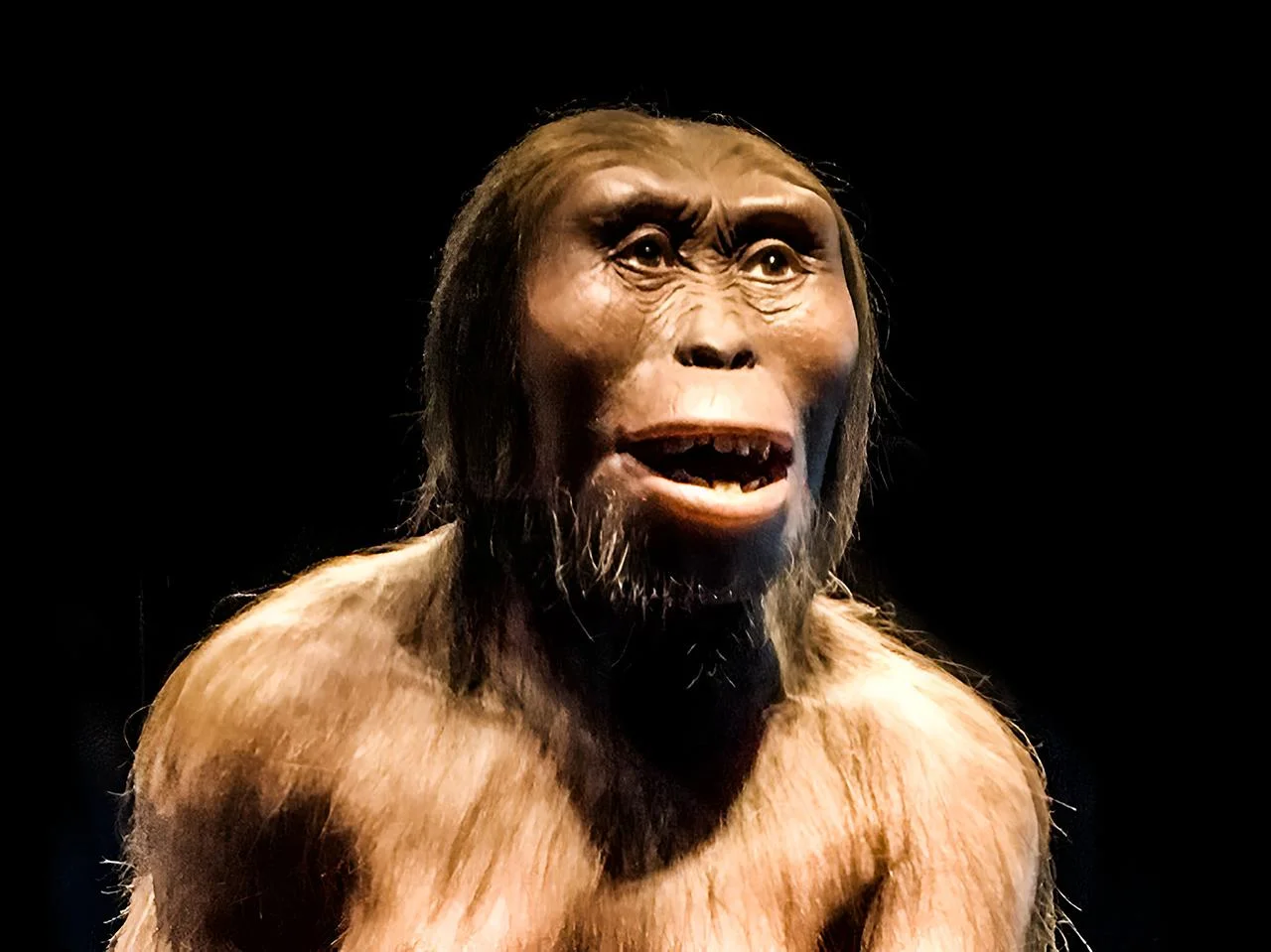
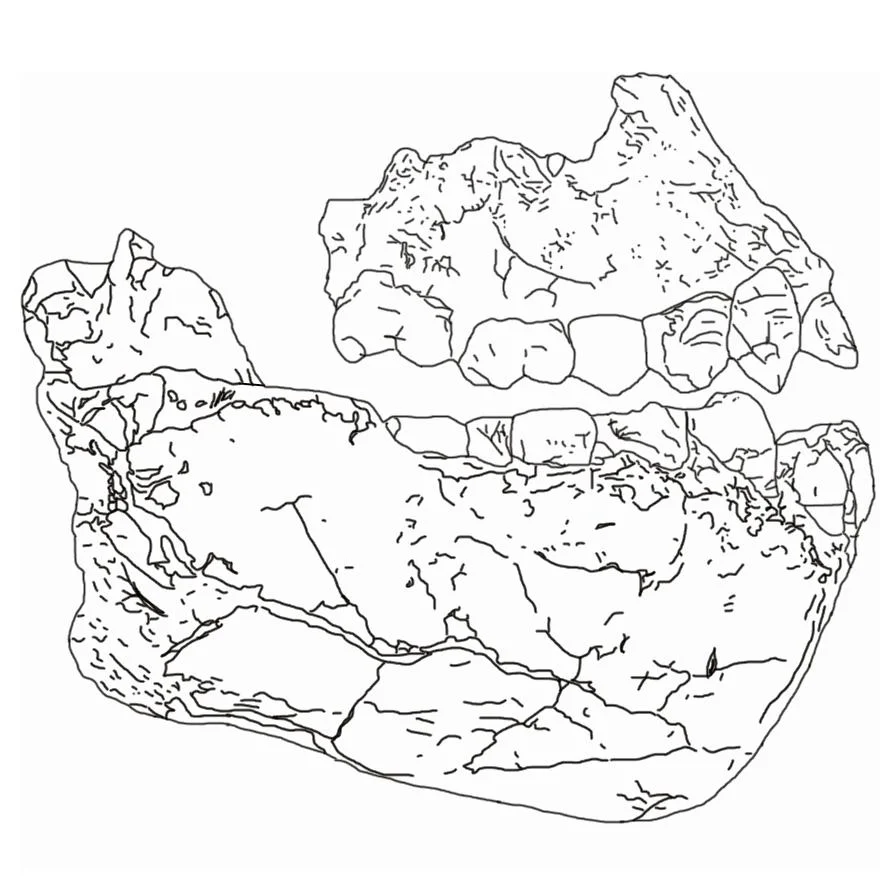
Fresh fossil discoveries are challenging the long-standing view that “Lucy” belonged to a species that directly gave rise to modern humans. The reassessment stems from new analysis of remains from another early hominin, Australopithecus deyiremeda, uncovered in the Woranso-Mille area of the Afar Rift. Recently recovered jaw and tooth fossils have now been securely linked to a distinctive 3.4-million-year-old partial foot—known as the “Burtele foot”—which was discovered years ago but could not previously be assigned to a specific species. Together, these finds confirm that A. deyiremeda was a separate species living at the same time and in the same region as Lucy’s kind, rather than a variant of Australopithecus afarensis.
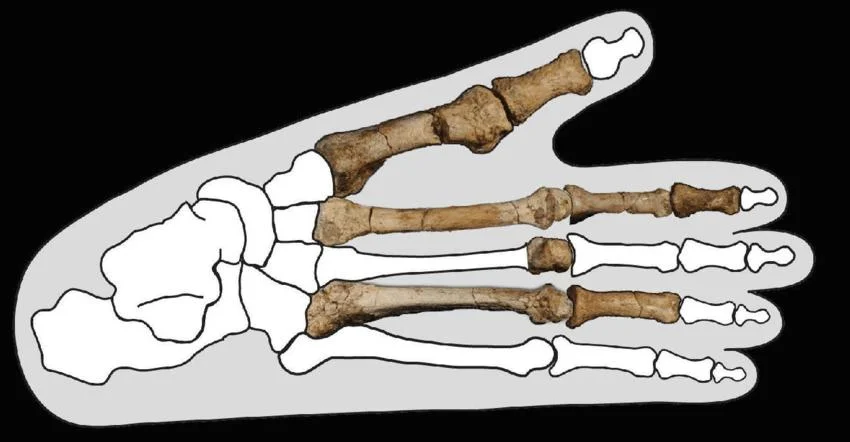
Detailed anatomical comparisons show that A. deyiremeda retained more primitive traits than Lucy’s species, especially in its teeth and feet. The Burtele foot, in particular, displays strong grasping abilities, indicating that tree climbing remained a crucial part of its behavior. Chemical signatures preserved in the teeth also suggest a diet focused largely on forest resources such as fruits and leaves, in contrast to A. afarensis, which appears to have eaten a broader range of foods, including grasses.
Crucially, the new analysis proposes that A. deyiremeda may be more closely related to the older species Australopithecus anamensis than to Lucy’s species. If correct, A. anamensis—which lived more than four million years ago—could occupy a position closer to the root of the human family tree, giving rise to multiple later lineages, including Lucy’s species and others. This interpretation weakens the long-held assumption that A. afarensis represented a single ancestral trunk from which all later human species evolved.
The findings add to growing evidence that eastern Africa between about 3.5 and 3.3 million years ago was home to several hominin species occupying different ecological niches. Rather than a simple, linear march toward modern humans, early human evolution increasingly resembles a dense evolutionary “bush,” with many species experimenting simultaneously with different diets, behaviors, and modes of movement.
Not all researchers agree on the implications for Lucy’s evolutionary status, and debate remains vigorous. Some scientists maintain that A. afarensis still offers the strongest overall case for being ancestral to the genus Homo, while others argue that the fossil record may never provide a definitive answer. What is becoming ever clearer, however, is that Lucy was not alone—and the path to humanity was far more complex than once believed.