Samurai Helmet with Boar Bristles and Gilded Antlers (Azuchi–Momoyama Period)
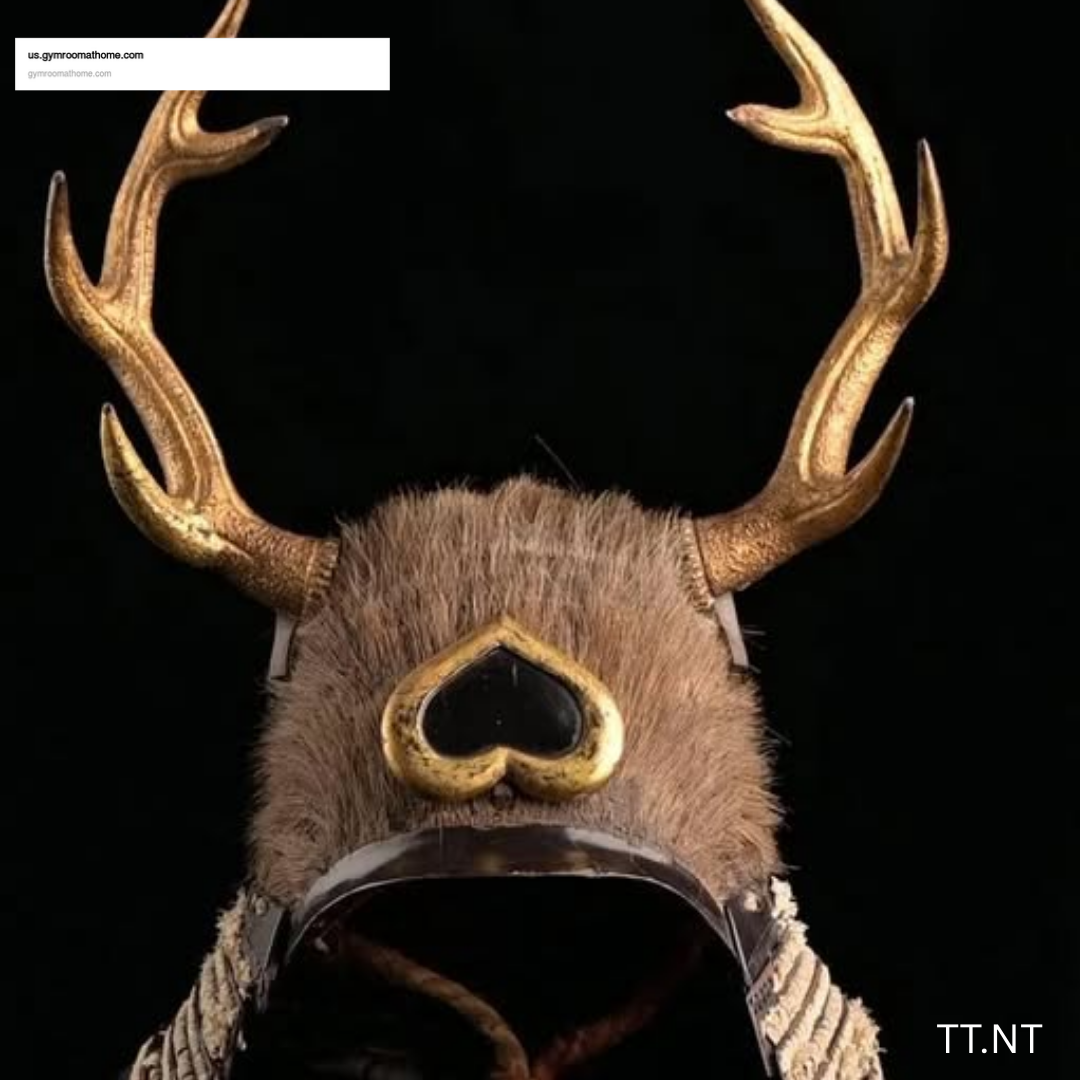
Samurai Helmet with Boar Bristles and Gilded Antlers (Azuchi–Momoyama Period)
This striking Japanese samurai helmet dates to the Azuchi–Momoyama period, a time of dramatic political transformation and military consolidation in Japan.
The helmet, known as a kabuto, is distinguished by its dramatic decorative features. Its surface is covered with coarse boar bristles, giving the helmet a fierce, textured appearance intended to intimidate opponents and symbolize strength and ferocity. Rising from the crown are gilded stag antlers, an imposing crest that would have made the warrior instantly recognizable on the battlefield.

Above the visor sits a distinctive heart-shaped ornament known as an inome. This motif represents the stylized eye of a boar and served an apotropaic function — a protective symbol meant to ward off evil spirits and misfortune. The boar itself held powerful associations in Japanese warrior culture, symbolizing courage, determination, and unstoppable forward momentum.
Helmets of this type were not merely protective equipment but also statements of identity, rank, and spiritual protection. Samurai armor often incorporated symbolic animals, mythological motifs, and elaborate crests that conveyed both personal and clan affiliations.
The Azuchi–Momoyama period, leading into the early Edo era, was characterized by increasingly elaborate armor designs as powerful warlords sought to display authority and prestige. This helmet exemplifies the fusion of martial practicality with artistic expression that defines Japanese armor craftsmanship.