Prehistoric Red Deer Headdress from Britain (c. 8000 BCE)
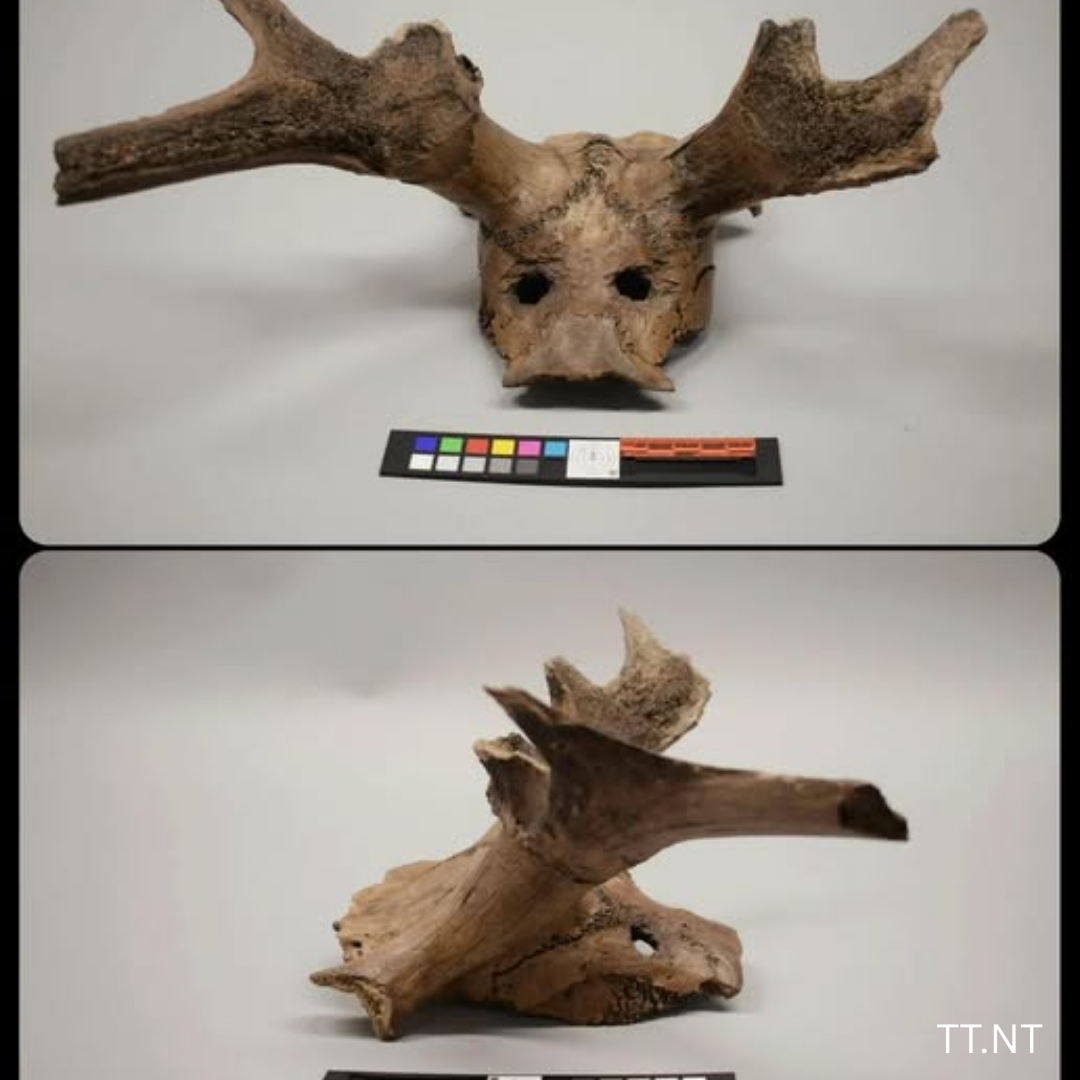
Prehistoric Red Deer Headdress from Britain (c. 8000 BCE)
This remarkable prehistoric headdress, dating to around 8000 BCE, was crafted from the skull and antlers of a red deer. It is one of the most iconic artifacts associated with Mesolithic Britain and is often linked to discoveries at the famous site of Star Carr.

The headdress was carefully prepared by removing portions of the skull while preserving the antlers, then modifying the interior so it could be worn on the head. Archaeological evidence suggests that the object was deliberately shaped and worked using stone tools, demonstrating sophisticated craftsmanship even at this early stage of human history.

Scholars have proposed several interpretations for the headdress. One possibility is that it was used during hunting rituals, allowing the wearer to disguise themselves as a deer in order to approach prey more closely. Another theory suggests a ceremonial or shamanic role, where the antlers symbolized spiritual transformation or connection with animal spirits.
The Mesolithic communities of Britain lived as hunter-gatherers in landscapes rich with forests, wetlands, and wildlife. Objects such as this headdress hint at complex belief systems and ritual practices that accompanied everyday survival activities.

More than 10,000 years later, the red deer headdress stands as a powerful reminder that prehistoric people possessed not only practical skills but also symbolic traditions that blended nature, spirituality, and identity.