19th-Century Skeleton Rocking Chair
19th-Century Skeleton Rocking Chair
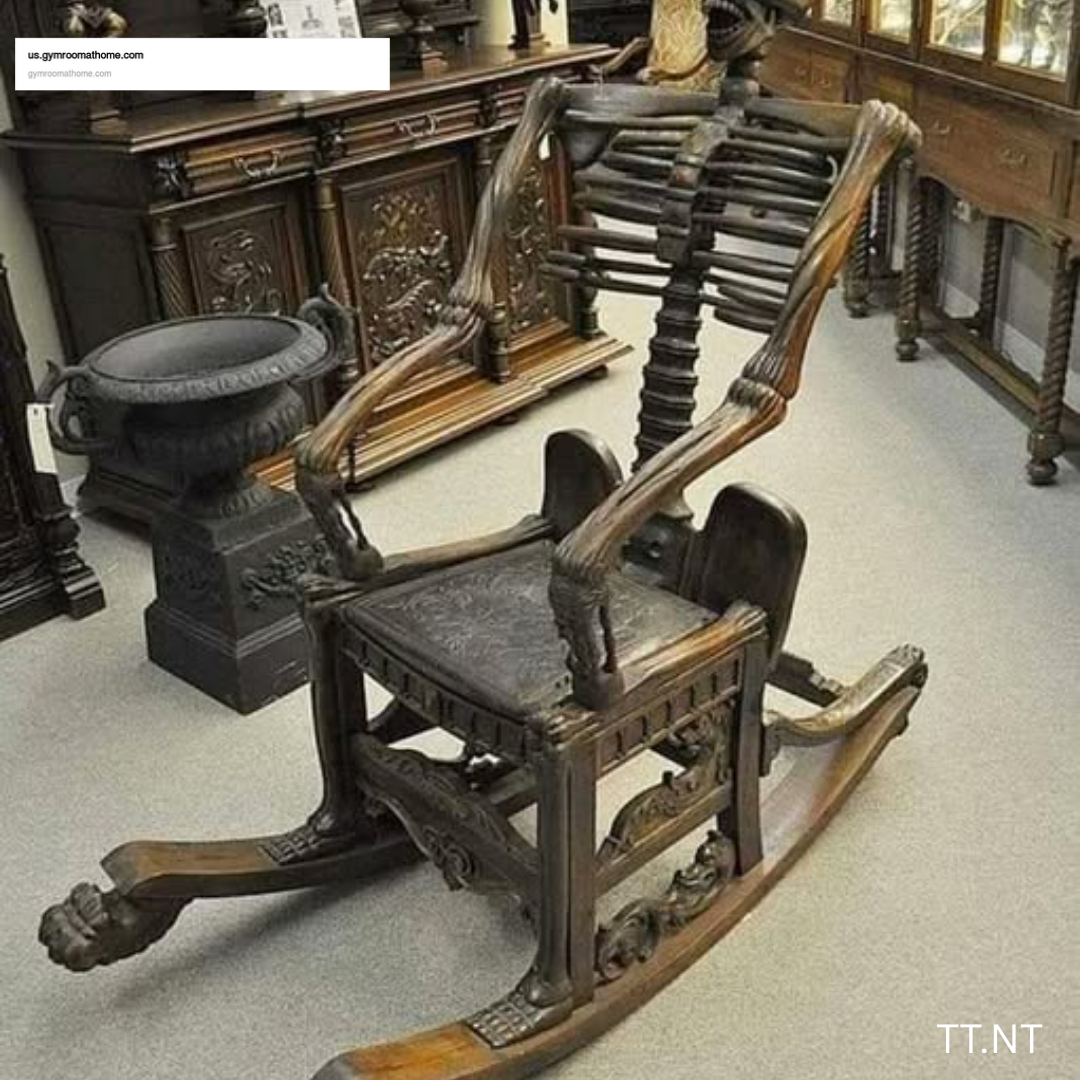
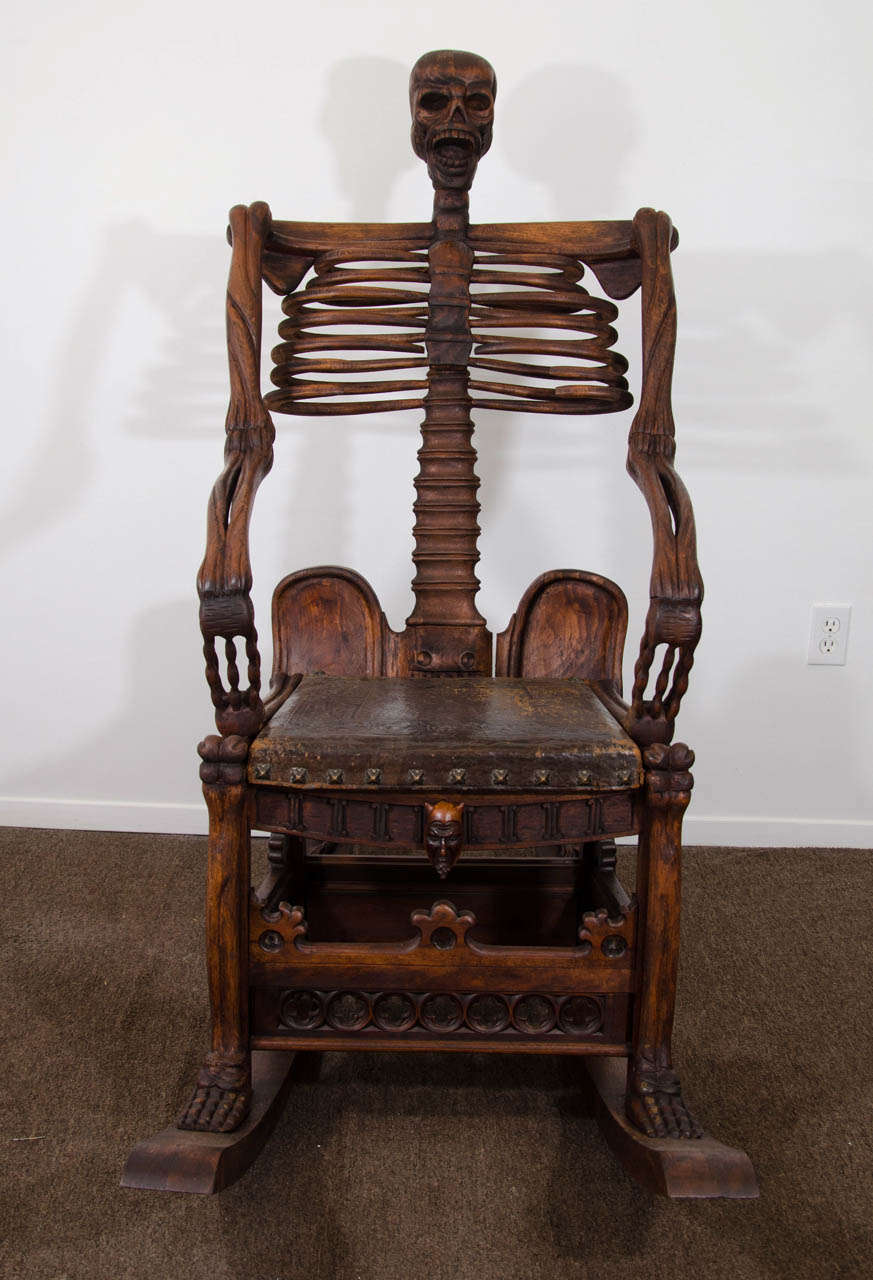
This unusual skeleton rocking chair, carved entirely from wood in the 19th century, reflects the Victorian fascination with symbolism surrounding mortality and the afterlife.
The chair is sculpted to resemble a life-sized human skeleton seated in a rocking chair frame. Every anatomical element — from the ribcage and spine to the skull and limb bones — is carefully rendered in wood, creating an object that is both functional furniture and macabre artwork.
During the 19th century, particularly in Europe and North America, artistic movements such as Gothic Revival and the enduring tradition of memento mori encouraged reflection on life’s impermanence. Decorative objects featuring skulls, skeletons, and hourglasses reminded viewers of the inevitability of death while encouraging moral contemplation.
Pieces like this may have served as conversation pieces in private collections, curiosity cabinets, or eccentric Victorian interiors. They also reflect the era’s fascination with anatomy, spiritualism, and theatrical design.
Although unsettling at first glance, the skeleton rocking chair represents a broader cultural theme of the period: confronting mortality through art, craftsmanship, and symbolism.
Today, such objects are valued not only for their craftsmanship but also as striking examples of 19th-century gothic decorative art.