Tamil Merchant Graffiti in the Valley of the Kings (1st–3rd Century AD)
Tamil Merchant Graffiti in the Valley of the Kings (1st–3rd Century AD)
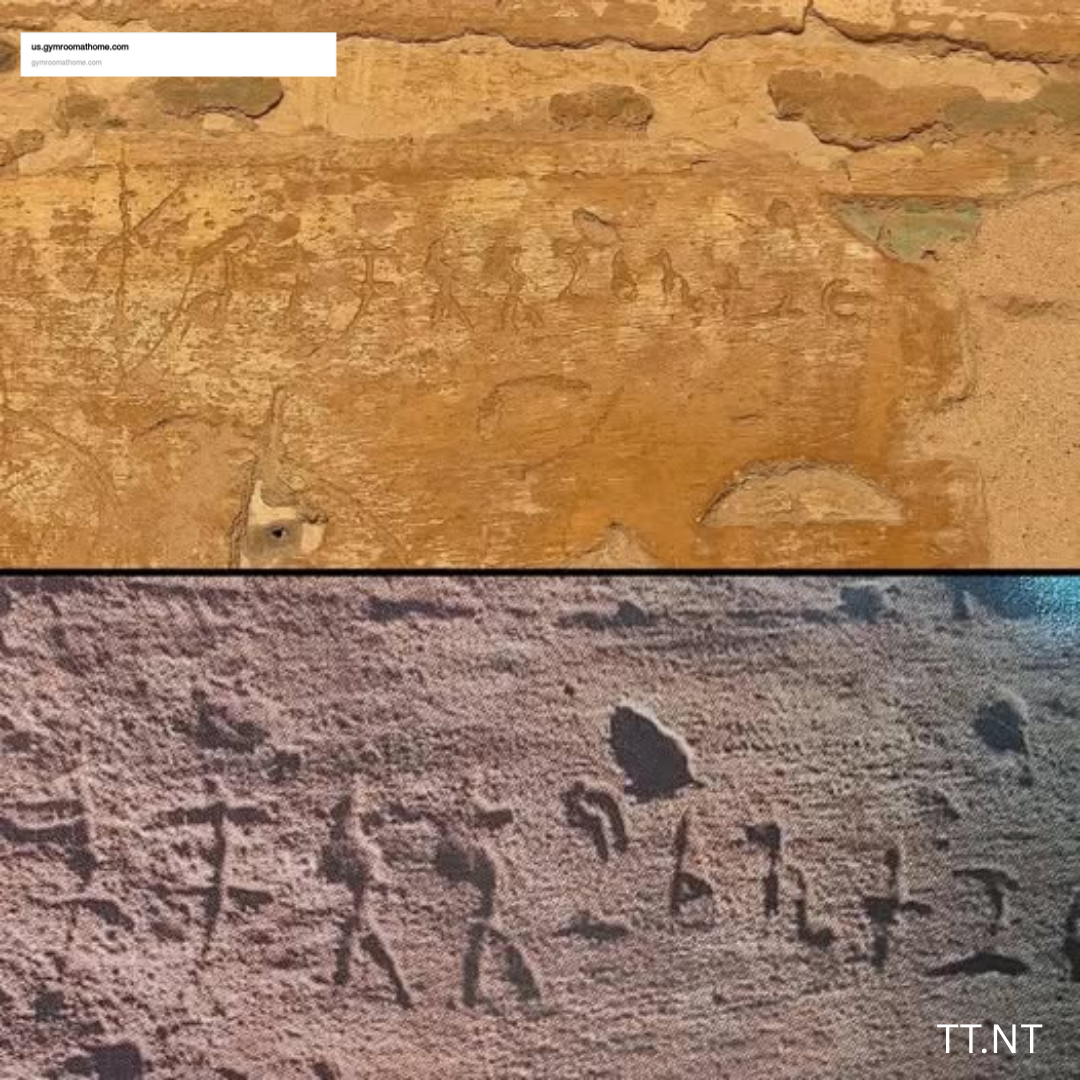
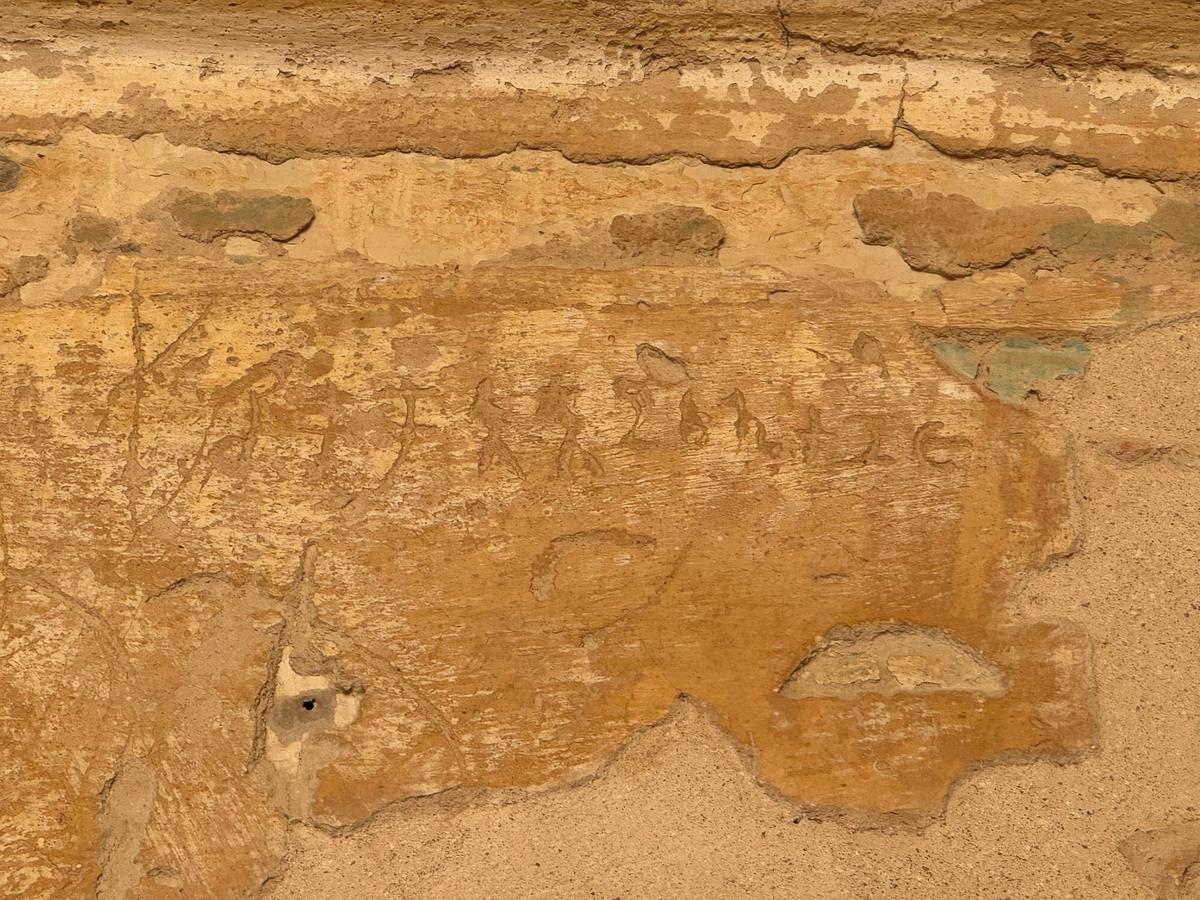
An extraordinary discovery inside the Valley of the Kings reveals how interconnected the ancient world truly was. Eight inscriptions written in early Tamil script were found scratched into the walls of several tombs in the necropolis.
The inscriptions repeatedly record the name “Cikai Korran”, believed to belong to an Indian merchant who traveled to Egypt during the Roman period. These markings appear in five different tombs and are dated roughly between the 1st and 3rd centuries AD.
By this time, Egypt was part of the Roman Empire and served as a major hub linking the Mediterranean world to the Indian Ocean trade network. Merchants from South India regularly sailed across the Arabian Sea and Red Sea, trading goods such as pepper, pearls, ivory, spices, and textiles. Important ports like Berenike and Myos Hormos connected these maritime routes to the Nile and beyond.
The presence of Tamil graffiti deep within the Valley of the Kings—already an ancient archaeological site even then—suggests that travelers were visiting these famous monuments nearly two thousand years ago. In many ways, these markings resemble the signatures of early tourists or traders documenting their journeys.
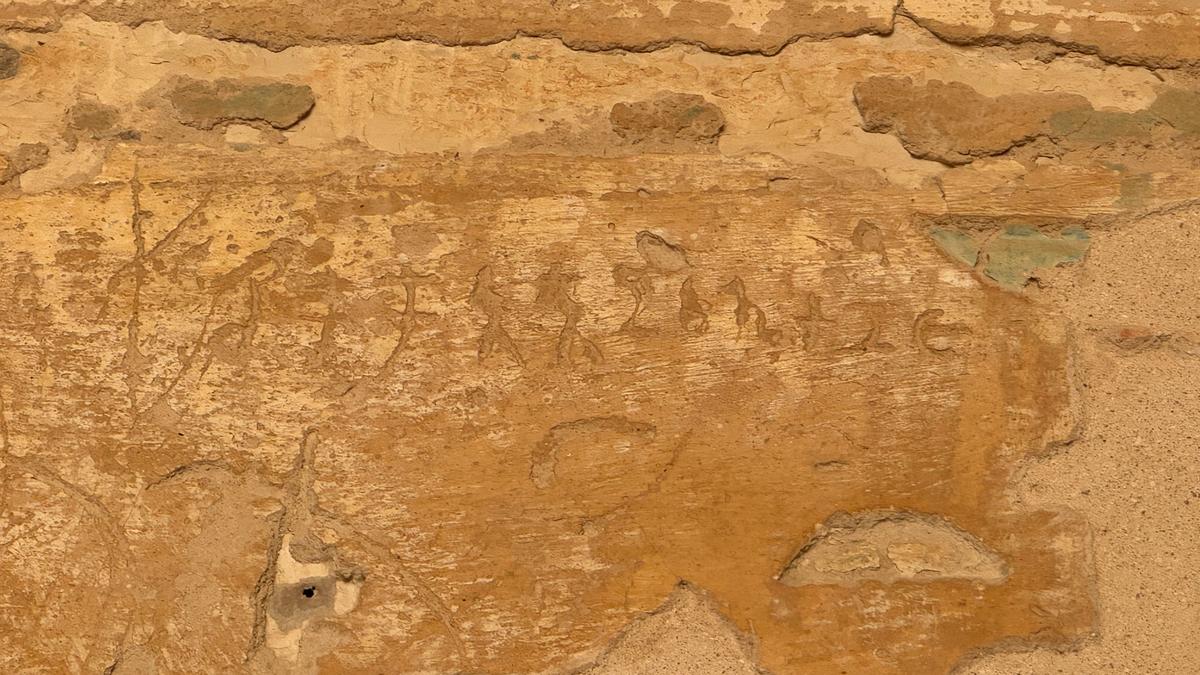
Though small and easily overlooked, the inscriptions offer powerful evidence of long-distance cultural contact between South Asia and Roman Egypt. They remind us that globalization and human mobility are far older than we often imagine.