California’s Unique Fuel Blend Faces Supply Concerns, Raising Gas Price Worries
- ThanhThuong
- March 6, 2026
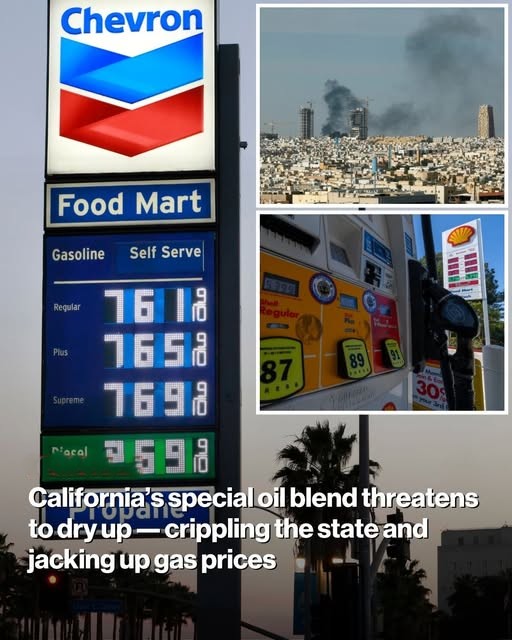
California’s Unique Fuel Blend Faces Supply Concerns, Raising Gas Price Worries
California’s specialized gasoline formula—often called the California Reformulated Gasoline (CARB blend)—is facing potential supply concerns that analysts say could push fuel prices higher across the state.

The blend, regulated by the California Air Resources Board, is designed to reduce smog-forming emissions and improve air quality. Because of California’s strict environmental standards, the fuel mixture used in the state differs from gasoline sold in most other parts of the United States.
While the cleaner-burning formula helps limit pollution, it also creates a more fragile fuel supply chain. Only a limited number of refineries are equipped to produce the specialized blend. When those refineries shut down for maintenance, accidents, or capacity reductions, the state can quickly experience supply shortages.
Energy analysts warn that if production capacity declines further—or if imports cannot compensate for local shortages—California drivers could see significant spikes in gasoline prices. Historically, the state already has some of the highest fuel costs in the country due to environmental regulations, transportation costs, and taxes.

Industry experts say refinery closures, aging infrastructure, and the gradual shift toward electric vehicles may also contribute to uncertainty in the gasoline market over the coming years.
State officials maintain that environmental protections remain essential for public health, particularly in regions historically affected by heavy air pollution such as Los Angeles and the Central Valley. At the same time, policymakers continue to debate how to balance clean-air policies with fuel affordability and energy security.

As California’s transportation system gradually transitions toward cleaner energy sources, the future of the state’s unique gasoline blend—and its impact on prices—remains a major topic in energy policy discussions.