Mysterious pits on 2-million-year-old fossil teeth unlock clues to human evolution
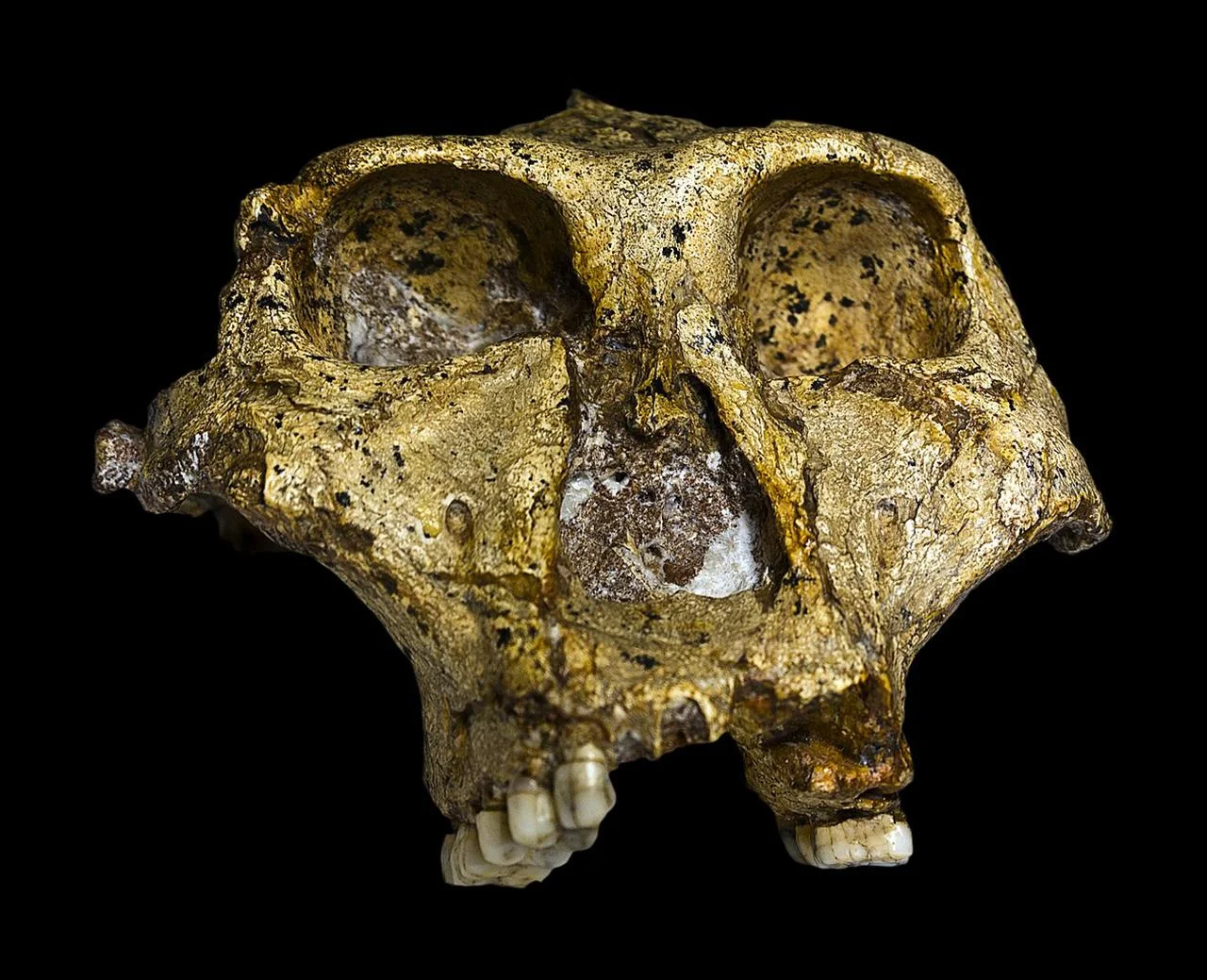
A strange pattern of tiny pits found on fossilized teeth—once believed to be signs of disease or poor nutrition—may actually provide an important genetic clue to human evolution. A recent study published in the Journal of Human Evolution suggests that these shallow, evenly shaped circular marks, known as “UCS pitting,” are closely associated with fossil molars belonging to Paranthropus and may represent a natural biological trait rather than a defect.
The research, led by Ian Towle from the Monash University Palaeodiet Research Lab, examined fossil teeth from sites across eastern and southern Africa spanning more than two million years of evolution. Towle explained that teeth preserve remarkable amounts of biological and evolutionary information, and that this unusual pitting pattern could serve as a distinctive marker for identifying certain ancient human lineages.
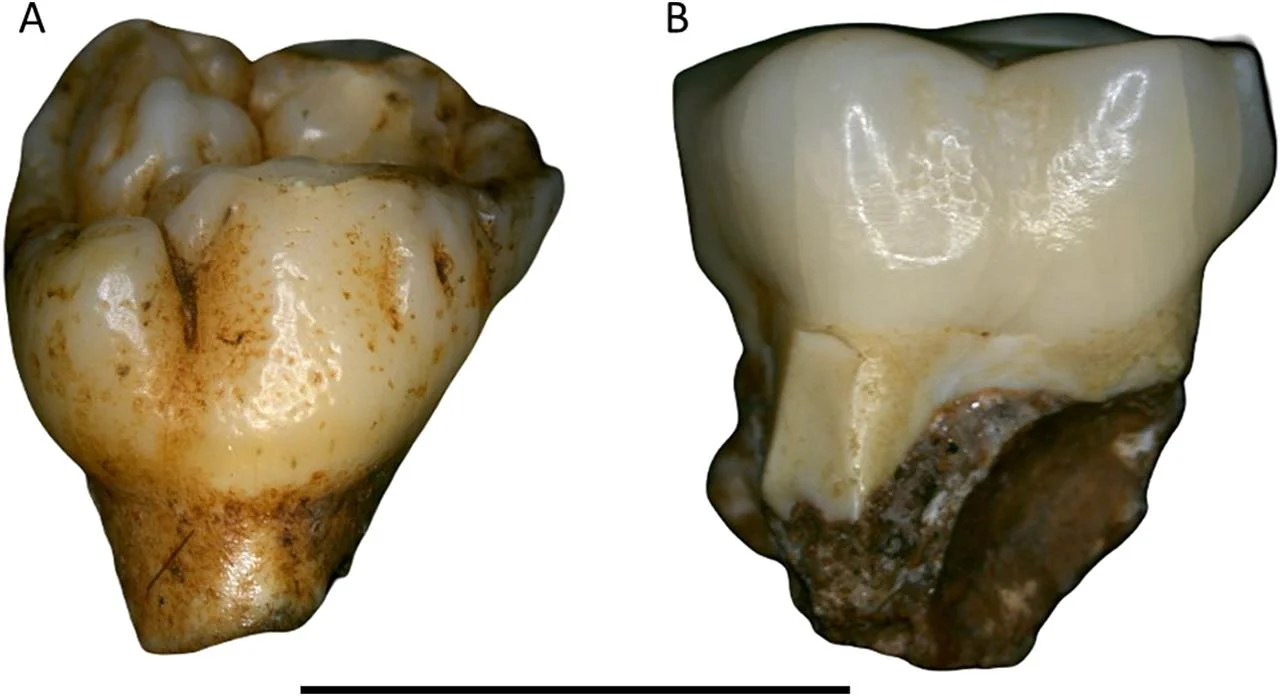
The pits appear in a very regular arrangement rather than randomly. They are similar in size, evenly spaced, and occur primarily on the thick enamel of molars. Importantly, they are not linked to other common enamel defects caused by physiological stress, such as horizontal growth lines or widespread damage affecting multiple teeth. This distinctive pattern points to a developmental—likely genetic—origin rather than environmental factors like malnutrition.
Researchers found UCS pitting most frequently in species of Paranthropus, including Paranthropus robustus from southern Africa and other Paranthropus species discovered in eastern Africa. Interestingly, several early fossils of Australopithecus from the Omo Valley in Ethiopia—dating to around three million years ago—also displayed the same pitting pattern. However, the feature was absent in more than 500 teeth belonging to Australopithecus africanus, suggesting that evolutionary differences may have existed between populations in eastern and southern Africa.
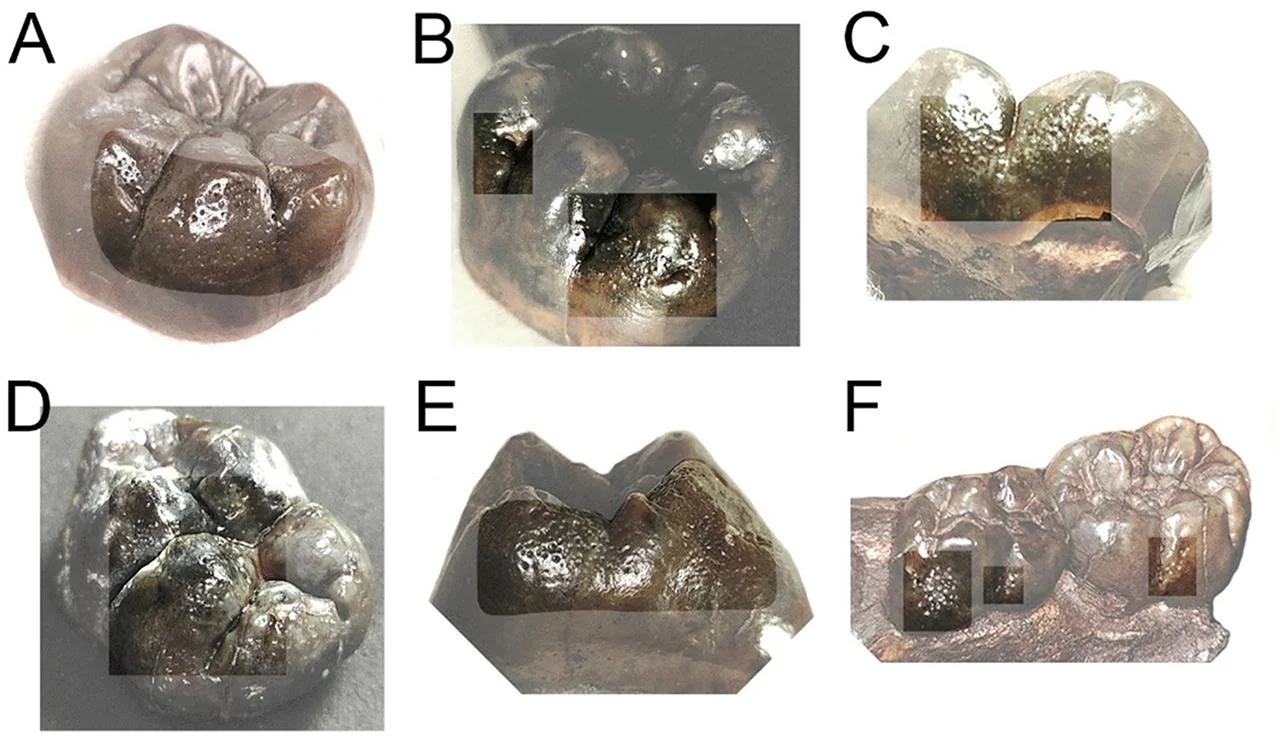
A few examples of similar pitting were also observed in rare members of the genus Homo, including Homo floresiensis and Homo luzonensis. However, Towle emphasized that these occurrences are extremely rare, making it difficult to determine their evolutionary significance without further study.
The researchers compared the fossil pits with a rare modern dental condition known as amelogenesis imperfecta, which affects enamel development in roughly one out of every thousand people. Although the pits resemble those produced by this disorder, their high frequency—appearing in up to half of the Paranthropus specimens—and their consistent presence over millions of years suggest they were not harmful.
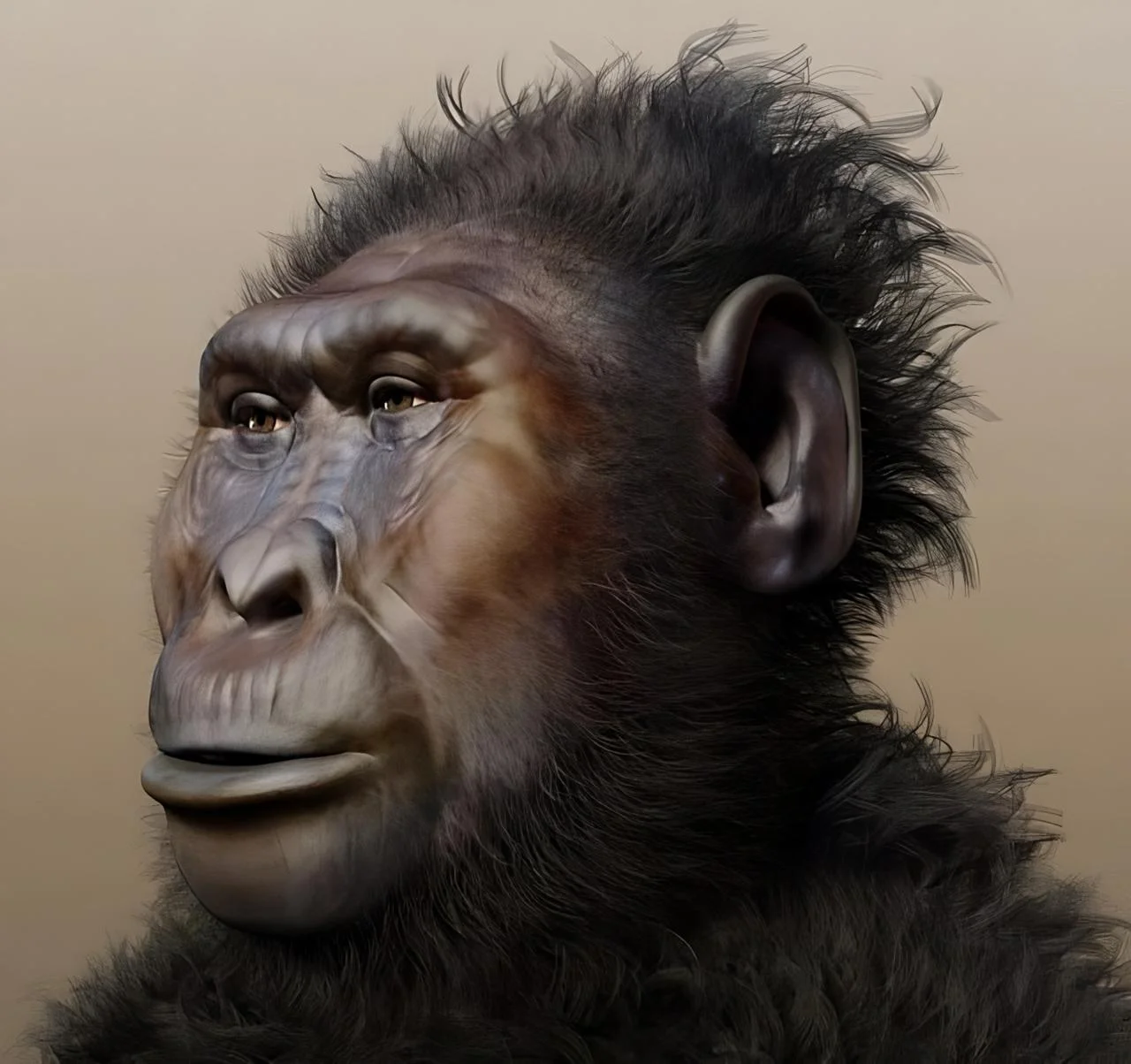
This discovery raises the possibility that UCS pitting could serve as a new morphological marker for studying the hominin family tree. Scientists already use features such as enamel thickness and tooth cusp shape to distinguish ancient species, and this distinctive pitting pattern could provide another valuable tool.
Future research may apply paleoproteomics—the study of ancient proteins preserved in tooth enamel—to investigate the feature more closely. Such work could reveal whether the pits were linked to sex-specific traits or other genetic characteristics unique to Paranthropus populations.