Ancient Hunter-Gatherer DNA May Help Explain Why Some People Live Past 100
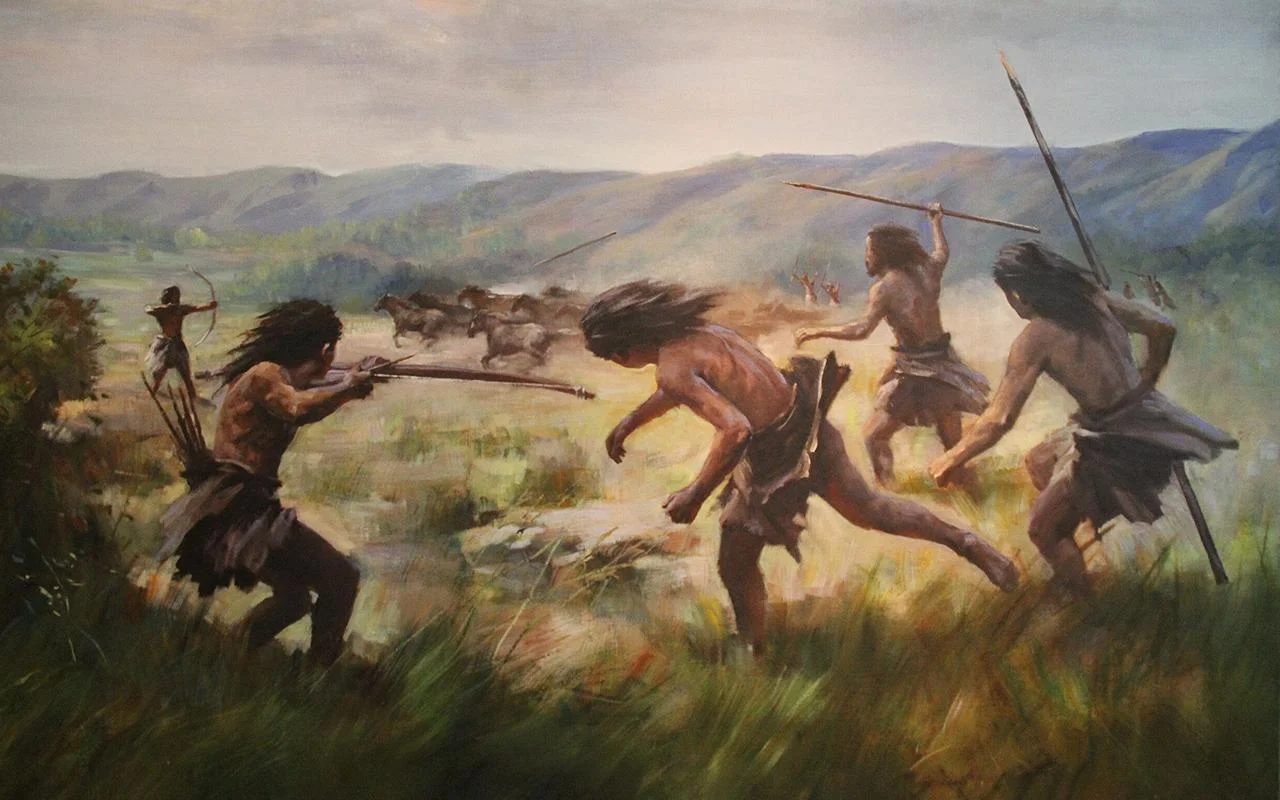
A recent genetic study suggests that part of the secret behind exceptional longevity in Italy may trace back thousands of years to Europe’s prehistoric inhabitants. Researchers analyzing the DNA of people who have lived to 100 or older discovered that Italian centenarians tend to carry a higher proportion of ancestry linked to Western Hunter-Gatherers, one of the earliest groups to inhabit Europe after the last Ice Age.
Scientists have long known that longevity is shaped by a complex combination of genetics, lifestyle, and environmental factors. While previous research has identified specific genes associated with longer life, this new study takes a broader approach by examining whether ancient population ancestry still affects modern health outcomes.
Advances in the field of Paleogenomics have made it possible to compare modern human genomes with DNA extracted from ancient remains. These comparisons help researchers understand how traits such as disease resistance, metabolism, and longevity may have evolved over thousands of years.
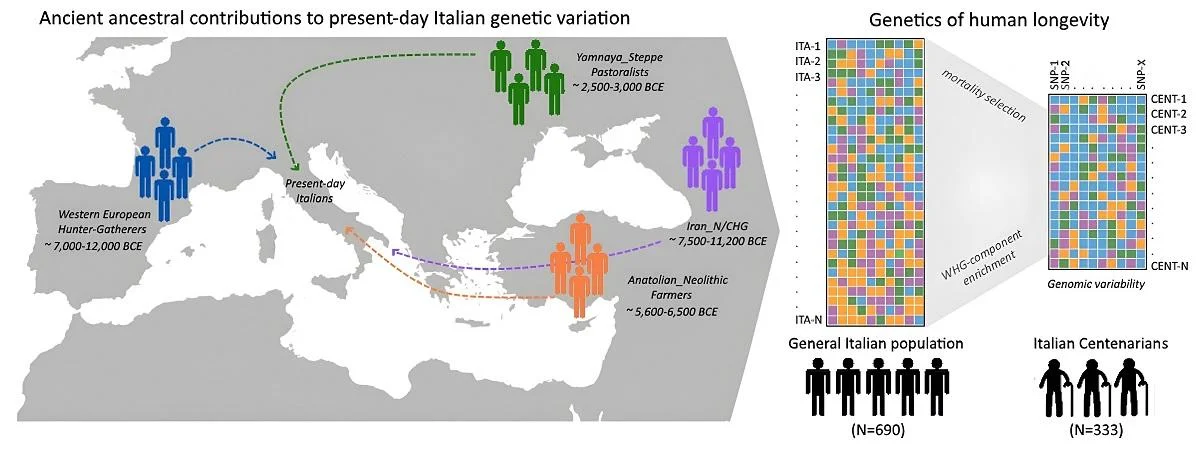
To explore the connection, scientists focused on Italy, a country known for having one of the highest proportions of centenarians in the world. The researchers analyzed genome-wide data from 333 Italians aged 100 or older and compared it with genetic information from 690 healthy individuals around 50 years old.
The team then compared these modern genetic profiles with 103 ancient genomes representing four major ancestral groups that contributed to the Italian population: Western Hunter-Gatherers, early Neolithic farmers from Anatolia, Bronze Age steppe nomads, and ancient populations from the Iranian and Caucasus regions.
Although all participants carried mixed ancestry from these groups, a clear pattern emerged. Centenarians consistently showed a stronger genetic link to Western Hunter-Gatherers than the control group. Statistical analyses confirmed that this connection remained significant even after accounting for the overall genetic structure of the population. In other words, even small increases in Western Hunter-Gatherer ancestry were associated with a greater likelihood of reaching 100 years of age, with the effect appearing particularly strong among women.
Further examination of individual chromosomes revealed that centenarians also carried more gene variants inherited from Western Hunter-Gatherers in regions of the genome previously linked to longevity. This suggests that the connection is not simply a coincidence of population history but may involve biological mechanisms influencing healthy aging.
Researchers propose that these ancient gene variants may have been advantageous during the harsh environmental conditions of the last Ice Age. Early hunter-gatherers needed efficient metabolism and strong immune systems to survive in challenging climates. Traits that once helped prehistoric populations endure scarcity and environmental stress may now contribute to healthier aging and resilience against age-related diseases.
The findings highlight how genetic legacies from tens of thousands of years ago can still shape human health today. By studying ancient DNA alongside modern genomes, scientists are gaining new insights into how evolutionary history continues to influence who lives longer in the present day. 🧬⏳