🦘 ‘Extinct’ for 7,000 Years — Two Lost Mammal Species Just Reappeared Alive in New Guinea 🌿
- SaoMai
- March 8, 2026
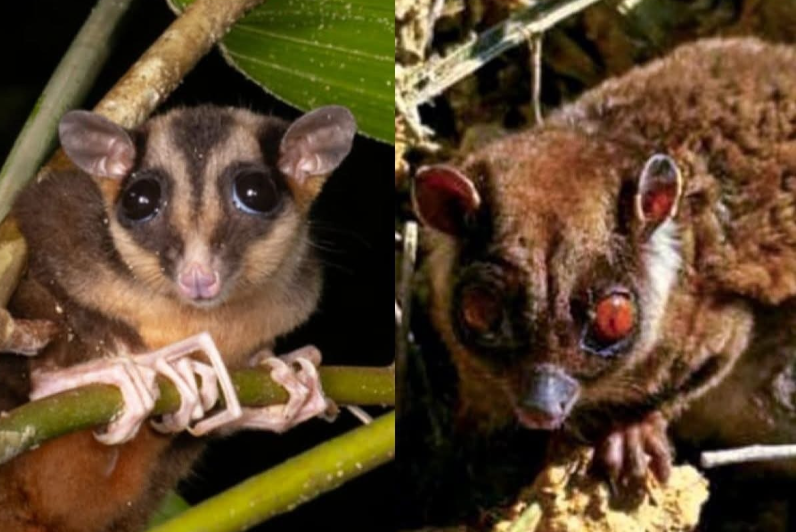
In a discovery that has stunned scientists around the world, two marsupial species once believed to be extinct for thousands of years have been found alive in New Guinea.
Until now, these mysterious animals were known only through fossil records. Researchers believed they had vanished from Earth more than 7,000 years ago — making their sudden reappearance one of the most remarkable wildlife discoveries in recent history.
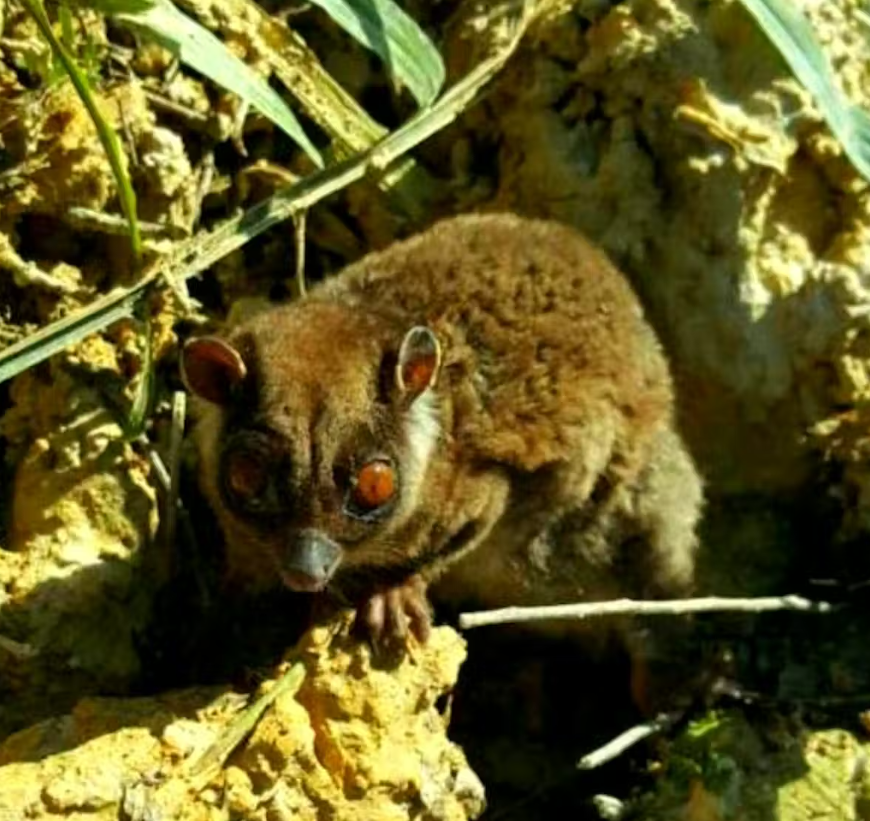 The two species are the pygmy long-fingered possum and the ring-tailed glider, small tree-dwelling marsupials that once lived across the region but were long assumed to have disappeared completely. Their rediscovery was announced by the Bishop Museum in Honolulu, following a large collaborative effort involving international scientists, local Indigenous communities, and citizen scientists working together in the remote forests of New Guinea.
For decades, researchers believed the only evidence of these animals existed in ancient fossils. No modern sightings, photographs, or physical specimens had ever been confirmed — until now.
Through field surveys and ecological research deep in New Guinea’s dense rainforest, scientists were finally able to confirm living individuals of both species, proving that these animals had quietly survived in isolation for millennia. The discovery places them among what scientists call “Lazarus species.”
 This term is used to describe organisms that reappear after being presumed extinct for long periods of time — sometimes centuries or even thousands of years. But finding two Lazarus species at once is extraordinarily rare.
“The discovery of two Lazarus species, thought to be extinct for millennia, is unprecedented,” said Dr. Tim Flannery of the Australian Museum, according to the official announcement.
The rediscovery highlights how little scientists still know about some of the world’s most remote ecosystems. New Guinea, in particular, is considered one of the most biologically diverse places on Earth, with vast areas of rainforest that remain largely unexplored. Experts believe these animals may have survived for thousands of years in isolated forest habitats that were never heavily studied by modern science.
The breakthrough also shows the growing importance of collaboration between scientists and Indigenous communities, whose deep knowledge of local environments often helps guide researchers toward species that might otherwise remain hidden.
 For conservationists, the discovery is both thrilling and urgent.
Now that these animals have been confirmed alive, scientists hope to study them further and better understand their habitats — information that will be crucial for protecting them in the future.
Moments like this remind researchers that nature still holds extraordinary surprises. Even species believed to be lost to time may still be quietly surviving in the world’s wildest corners. And in the forests of New Guinea, two tiny mammals that vanished from the fossil record thousands of years ago have just proven they were never truly gone. 🌿🦘