🐶 After 27 Years, Maryland County Ends Pit Bull Ban — A Major Win for Dogs and Their Families ❤️
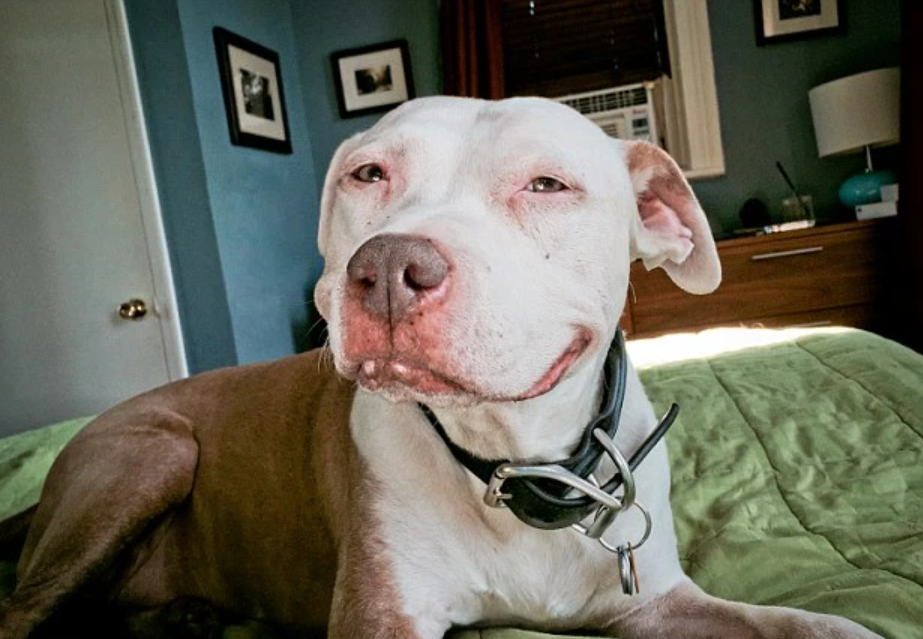
After nearly three decades of controversy and debate, Prince George’s County in Maryland has officially ended its long-standing ban on “pit bull”–type dogs, marking a significant shift in how the county approaches dog safety and animal welfare.
The ban had been in place for 27 years, restricting ownership of dogs that were believed to resemble pit bull–type breeds. Under the old law, dogs could be labeled dangerous based largely on their physical appearance — even if they had never shown aggressive behavior. Now, that policy has changed. County leaders voted to repeal the breed-specific ban, replacing it with behavior-based regulations that focus on how a dog actually acts rather than what breed it looks like.
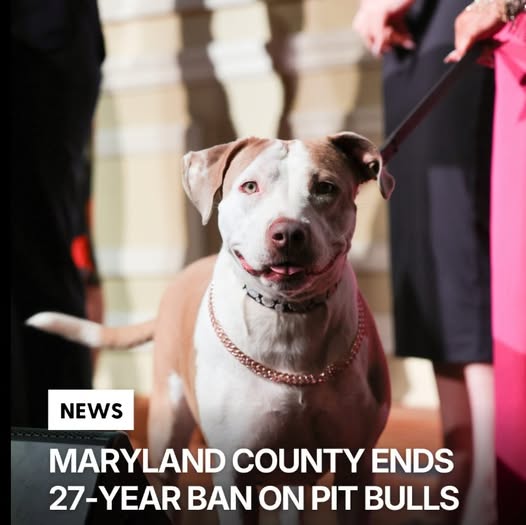 This means that dogs will no longer face restrictions, confiscation, or removal simply because they resemble a certain breed. Instead, authorities will evaluate animals based on individual behavior and documented incidents, a standard that many animal welfare groups say is far more fair and effective. Animal advocates have long argued that breed-specific legislation unfairly targets certain dogs while ignoring the real factors that influence behavior, such as training, environment, and responsible ownership.
With the new law in place, Prince George’s County joins a growing number of communities across the United States that have moved away from breed bans in favor of policies focused on responsible pet care and public safety. County officials say the change reflects modern animal welfare standards and a better understanding of dog behavior.  The updated rules are also expected to have a positive impact on local shelters and adoption programs. In the past, dogs that appeared to be pit bull–type breeds often faced limited adoption opportunities or were separated from families because of the restrictions. Now, many of those dogs will have a much greater chance of staying with their families or finding loving homes through adoption programs. For rescue groups and animal advocates who have spent years pushing for reform, the decision represents a major step forward.
Supporters believe the new approach not only treats dogs more fairly but also allows authorities to focus resources on addressing actual dangerous behavior, regardless of breed.  Ultimately, the change signals a broader shift in how communities are thinking about dog safety — moving away from judging dogs by appearance and toward evaluating them as individuals. And for countless dogs who might once have been banned simply for how they looked, this decision could mean something life-changing: the chance to stay with the people who love them or find a forever home. 🐾❤️