A Golden Return: Endangered Panamanian Frogs Released Back Into the Wild After Years of Protection
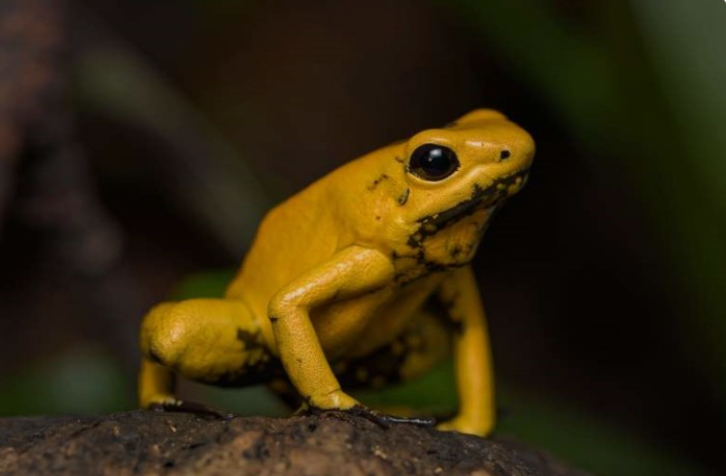
Deep within the lush rainforests of Panama, a quiet but powerful moment for conservation has just unfolded. After years of careful protection and breeding, a group of critically endangered Panamanian golden frogs has finally returned to the wild — a hopeful step toward saving one of the country’s most iconic species. 🐸✨
The release is the result of years of dedication by scientists and conservationists working with the Smithsonian’s Panama Amphibian Rescue and Conservation Project, a program created to protect amphibians threatened by a devastating fungal disease known as chytridiomycosis.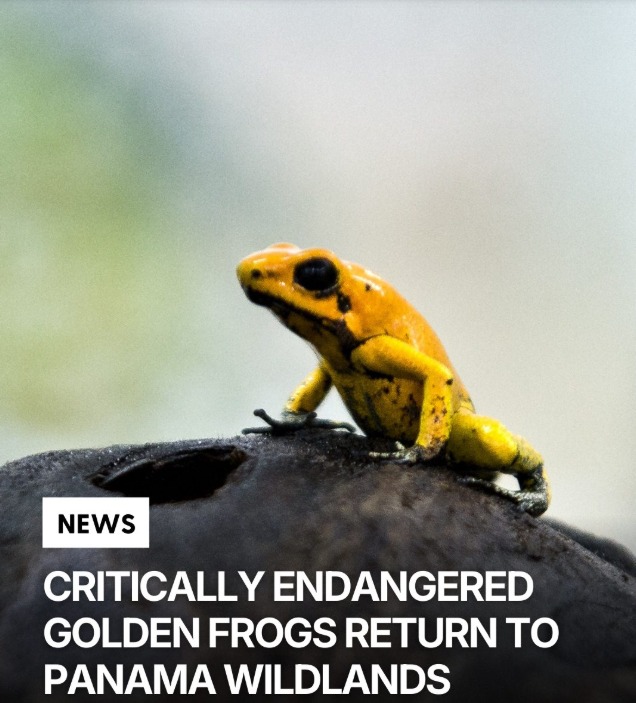 This deadly fungus has swept through amphibian populations around the world, and in Panama it nearly erased the Panamanian golden frog from its natural habitat.
Once commonly seen along the streams of Panama’s cloud forests, the striking yellow amphibian — famous for its bright color and unique communication through hand-like waving signals — rapidly disappeared in the wild during the early 2000s. Scientists feared the species might vanish entirely.
In response, conservationists launched an emergency effort to rescue remaining frogs and begin captive breeding programs. For years, these frogs have lived under human care in specialized facilities where experts carefully monitored their health, protected them from the deadly fungus, and worked to build stable breeding populations.
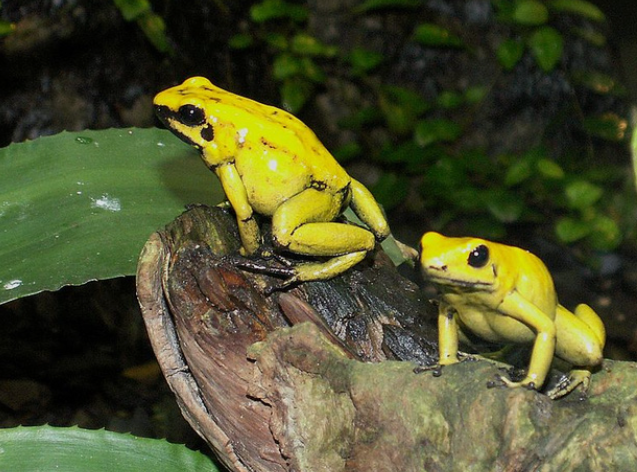 Now, after years of research and preparation, a carefully selected group of these frogs has been released back into protected forest habitats. Before their return, scientists conducted extensive testing and monitoring to ensure the environment was suitable and that the frogs had the best possible chance to survive.
The release is more than symbolic — it represents one of the most important milestones in Panama’s amphibian conservation efforts.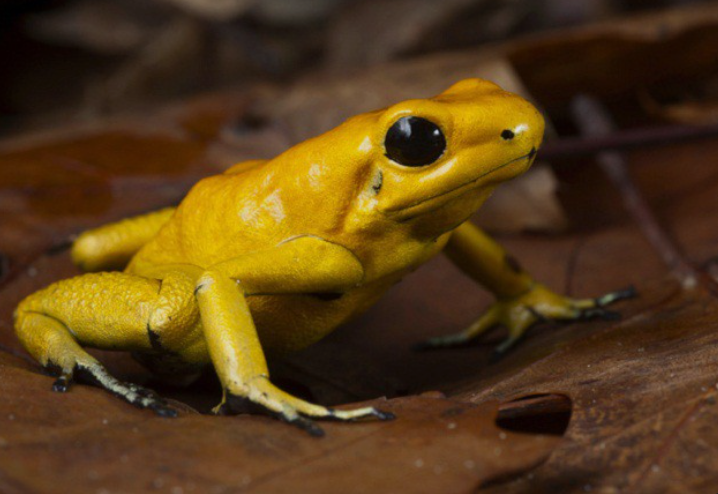 Researchers will continue to track the frogs and study how they adapt to the wild, gathering critical information that could guide future releases. For conservationists, the moment is deeply emotional. Many of the scientists involved have spent over a decade caring for these animals, hoping one day they could return them to the forests where they belong.
The Panamanian golden frog is more than just a species — it is a national symbol of luck and prosperity in Panama and an important part of the country’s cultural identity.
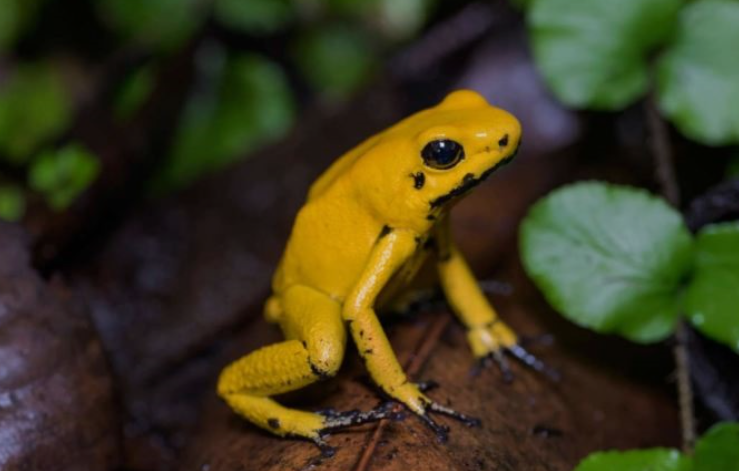 Seeing these brilliant yellow frogs once again hop along rainforest streams is a powerful reminder that even species pushed to the edge of extinction can recover when science, dedication, and global cooperation come together. For these tiny amphibians, the journey back to the wild marks more than a release.
It marks a second chance — not just for the frogs themselves, but for the future of an entire species. 🌿💛🌎